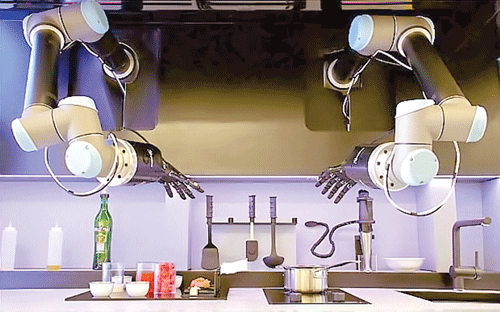
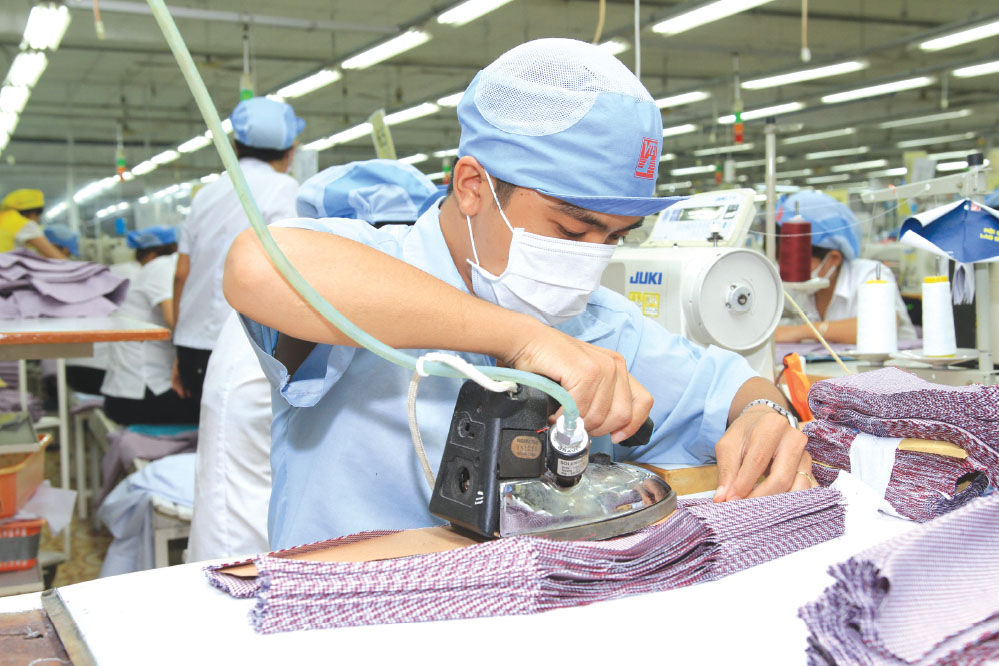
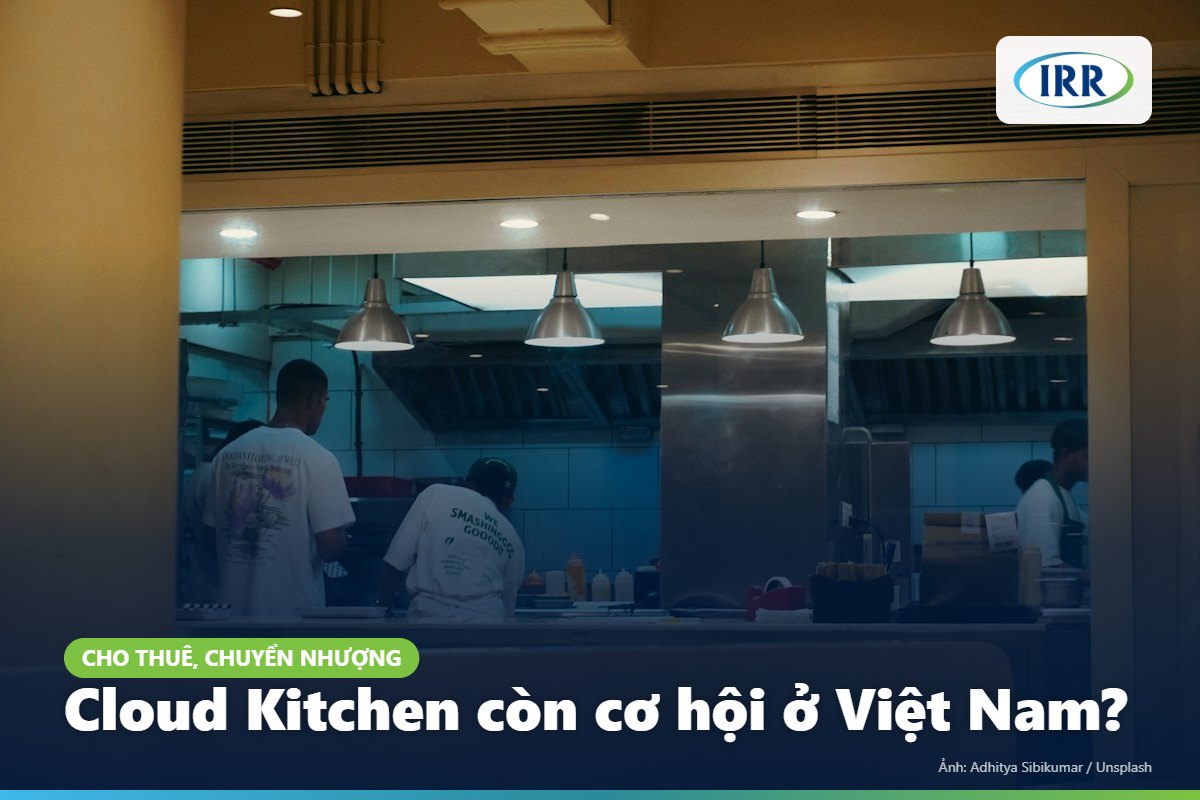
A few years ago, cloud kitchens promised to solve the problem of expensive storefronts: no frontage, no service staff, just a kitchen and a delivery app. Many have since quietly disappeared. In 2026, do cloud kitchens still have a future in Vietnam, and when should an operator rent a central kitchen instead of a street-front site?
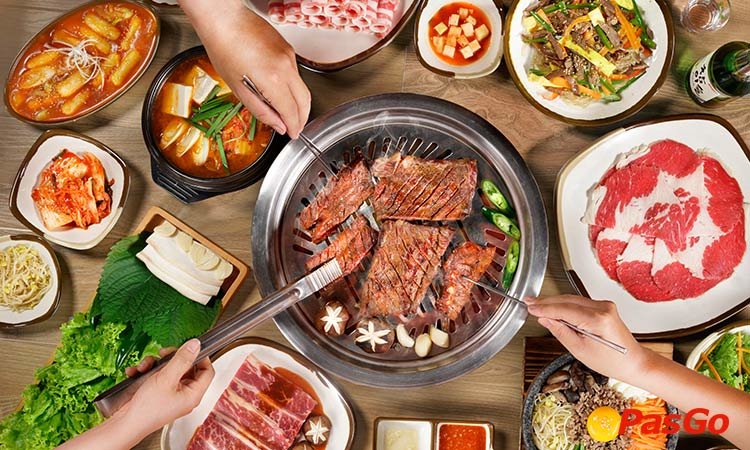
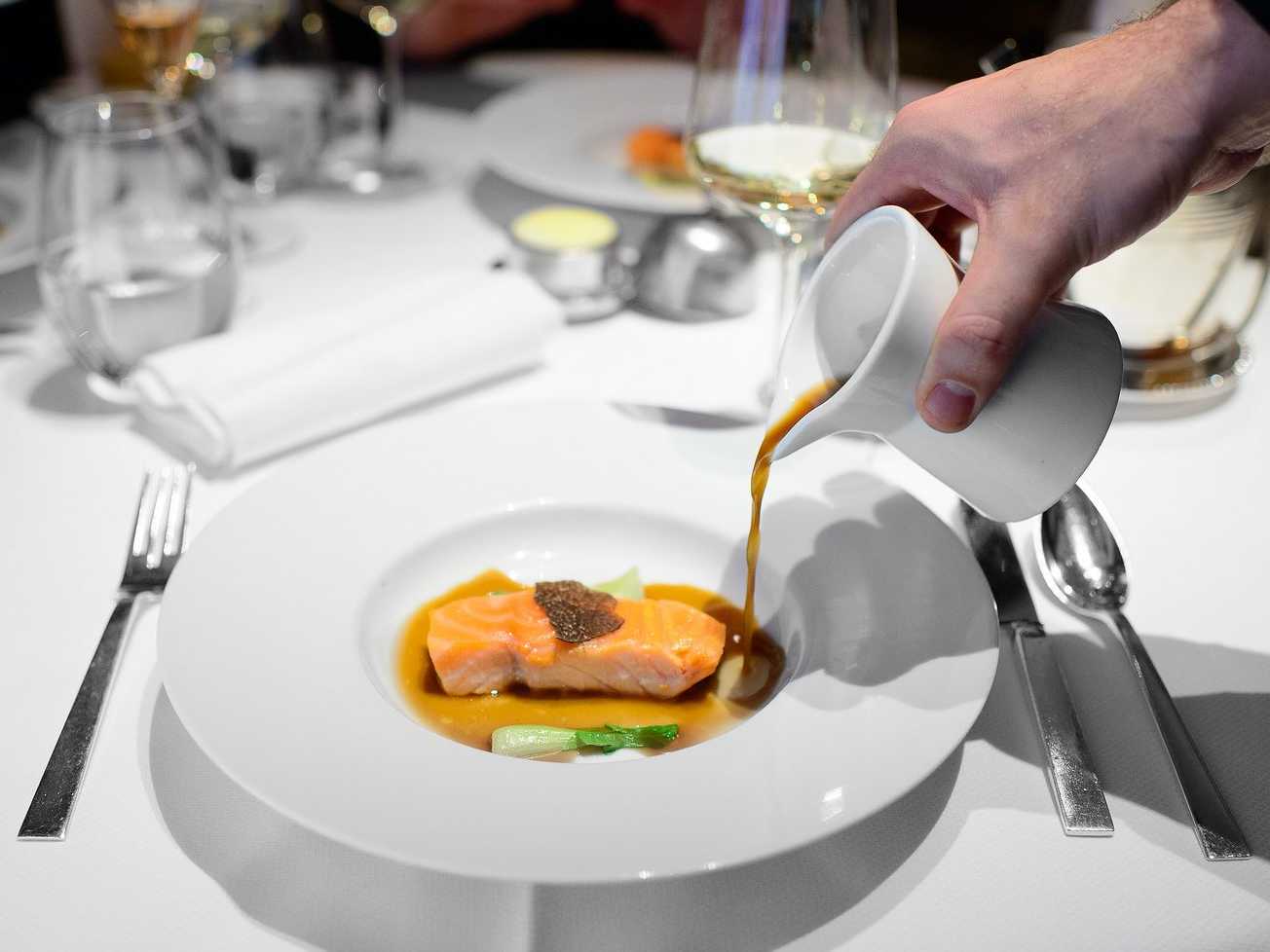
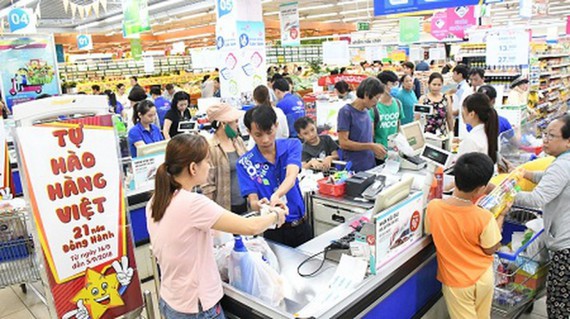
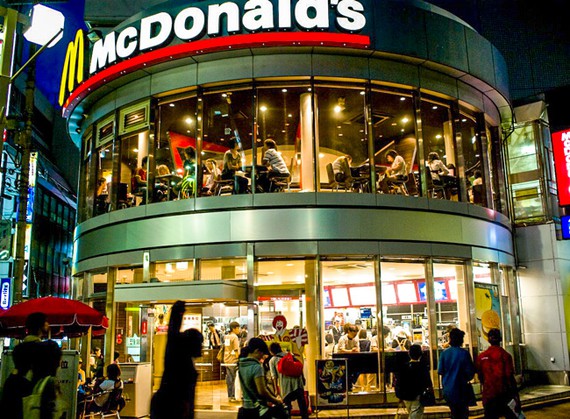
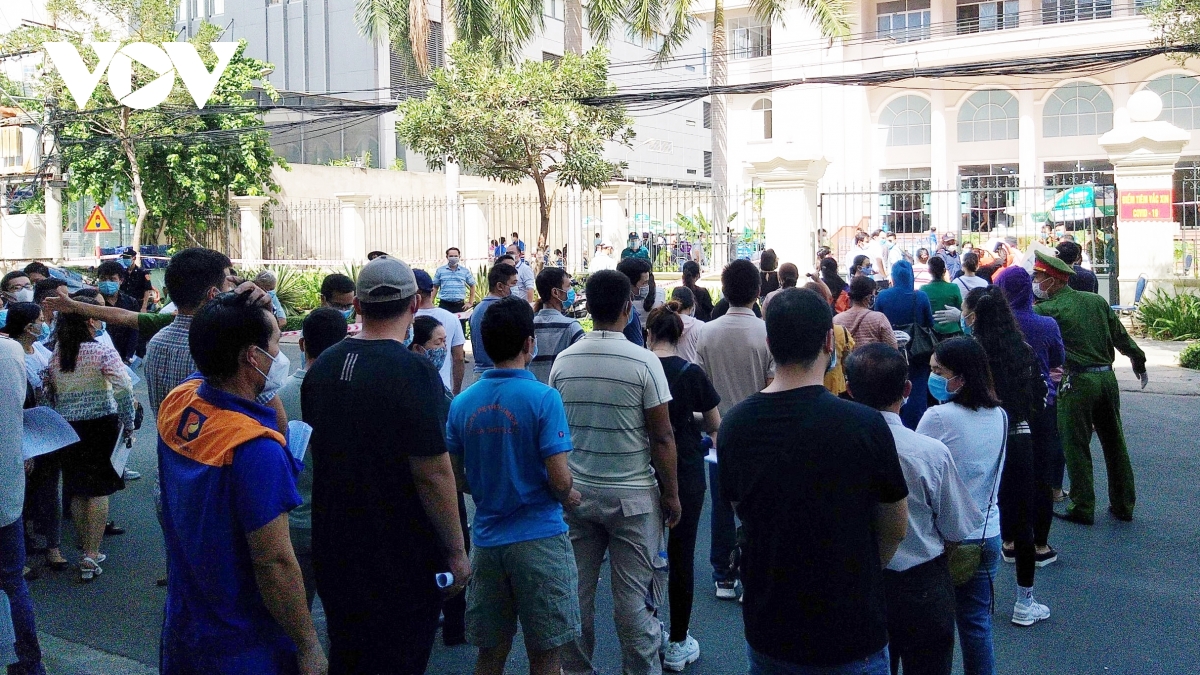
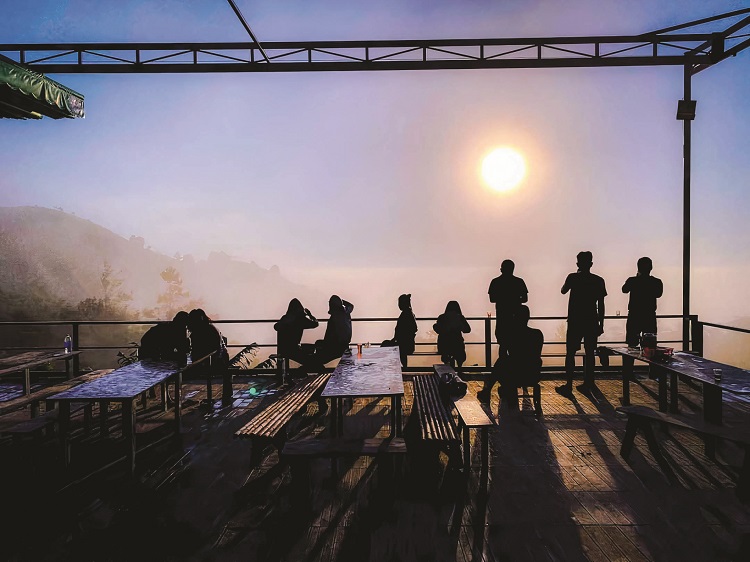
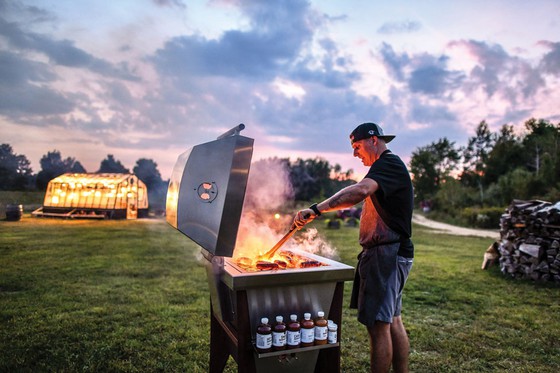
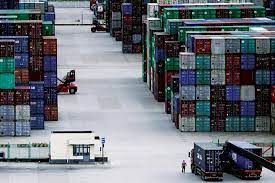
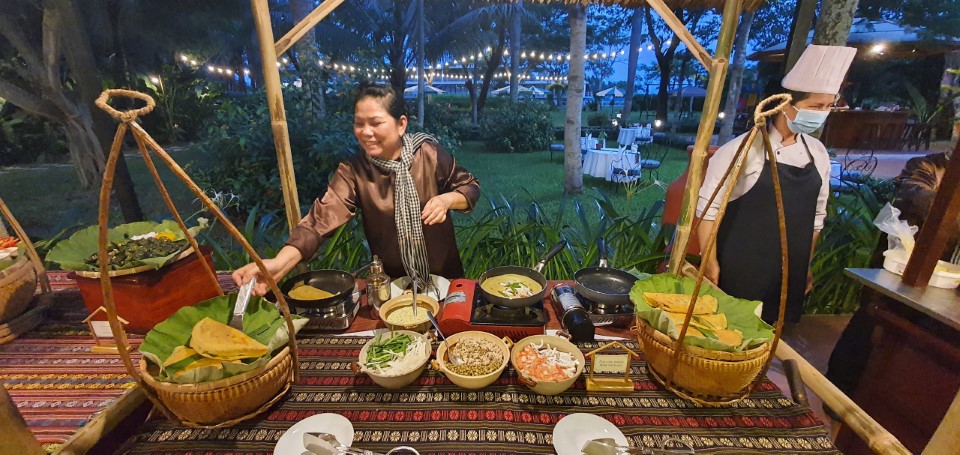
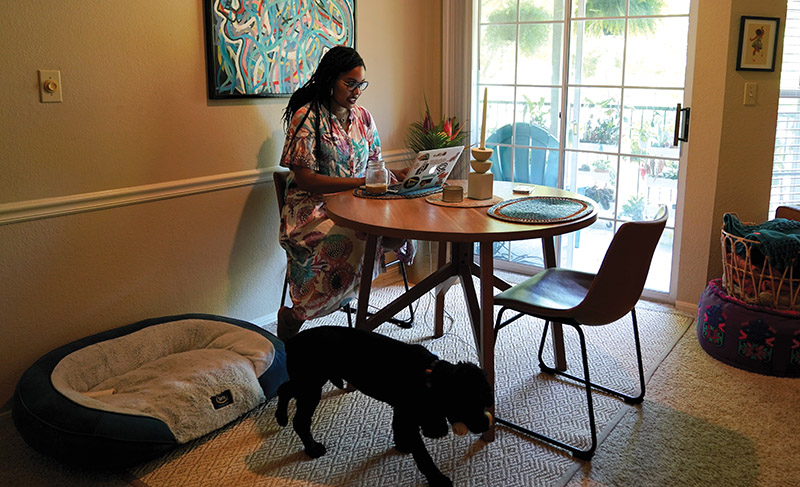
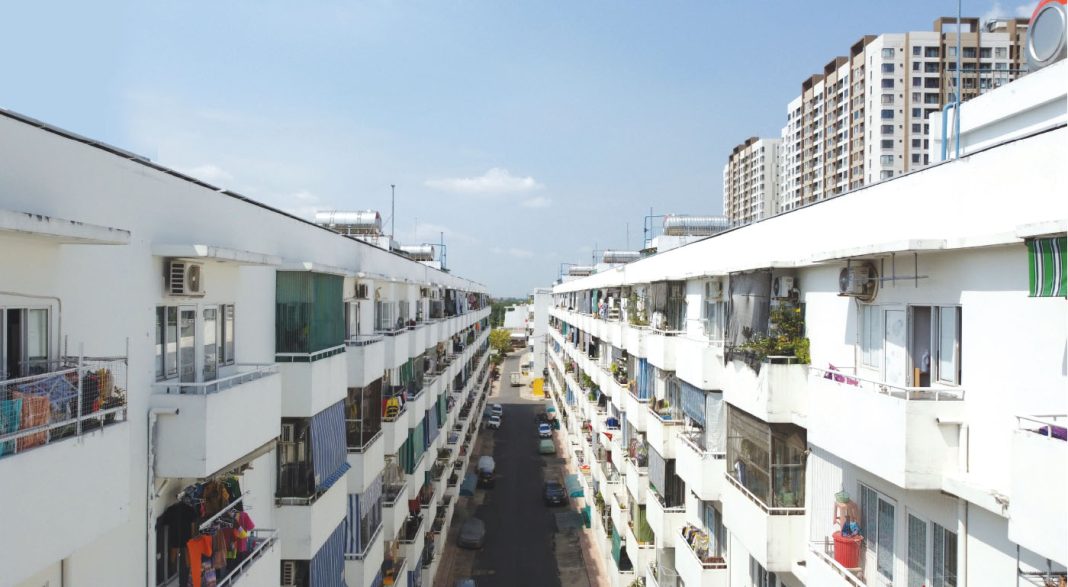
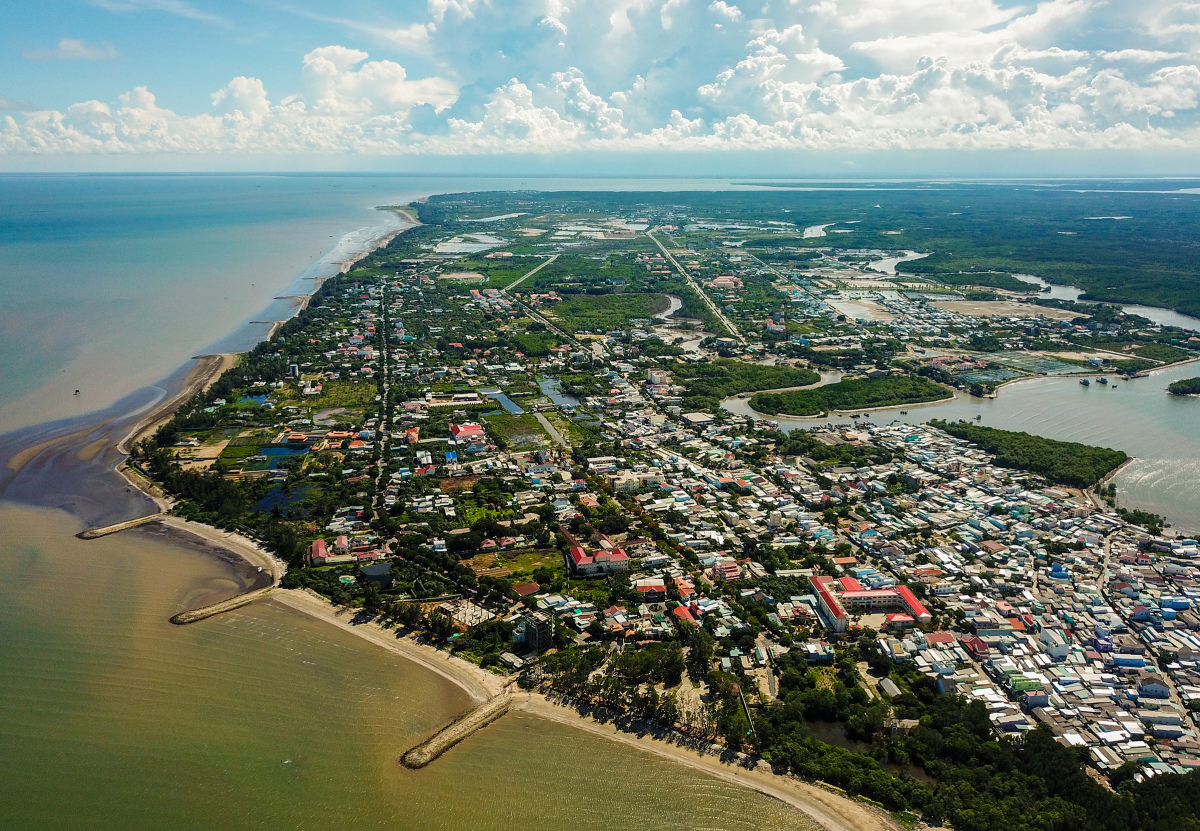
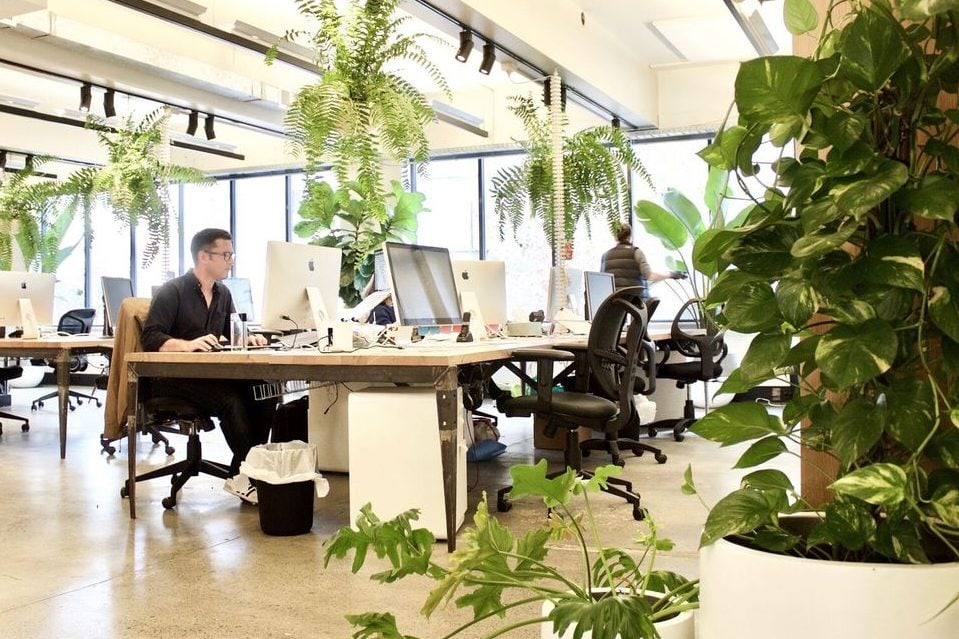
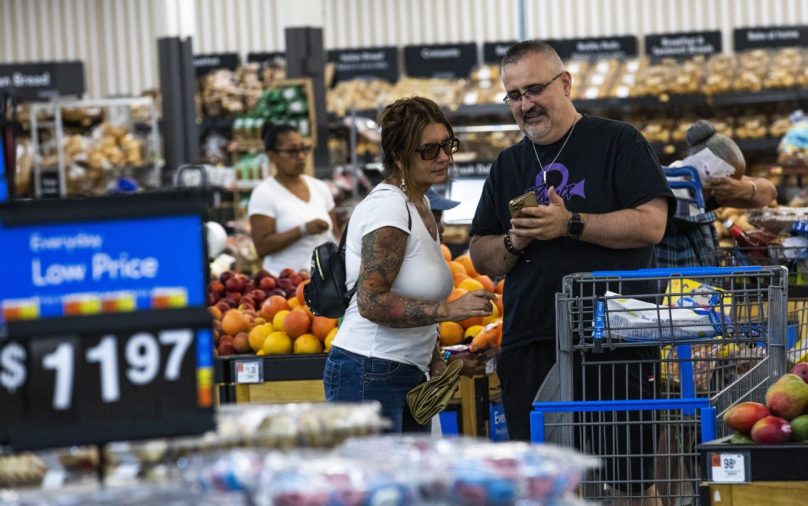
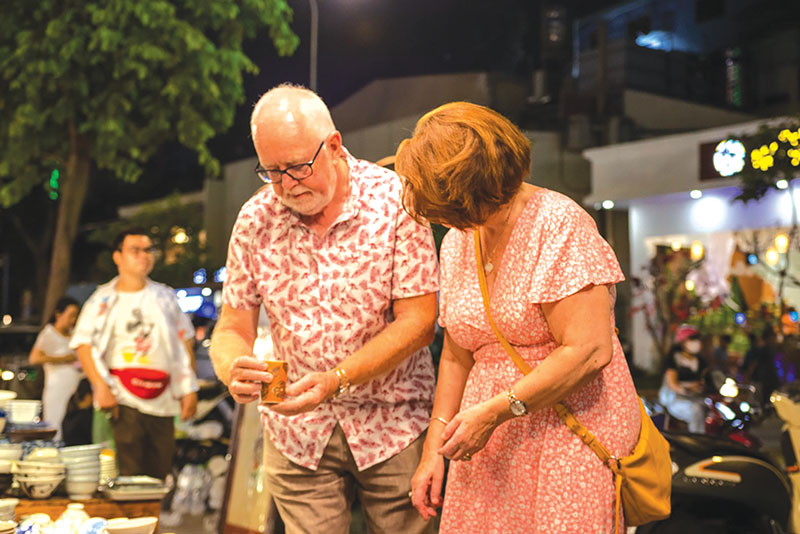
Giao đồ ăn tăng trưởng nhưng chi phí nền tảng cao · Ảnh: Rowan Freeman / Unsplash
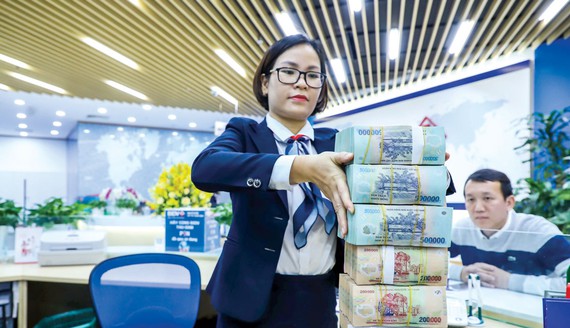
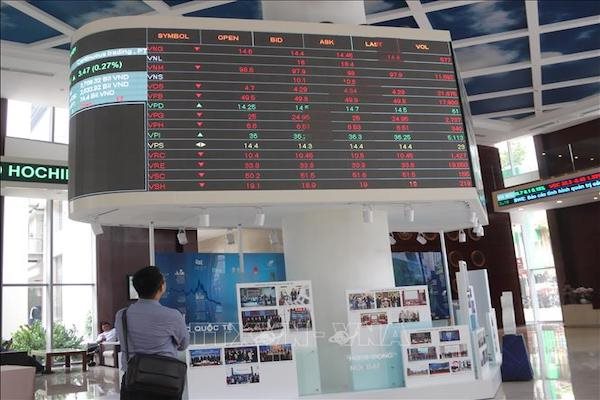
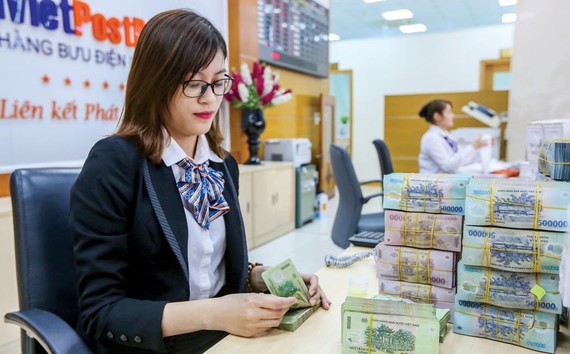
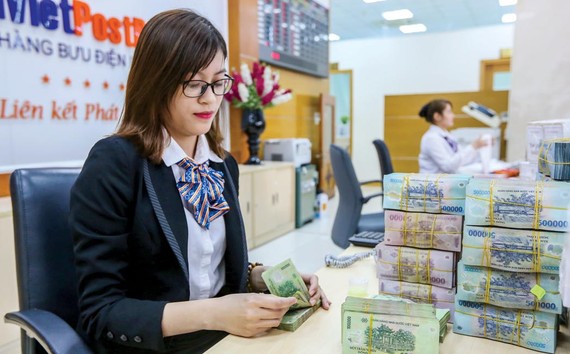
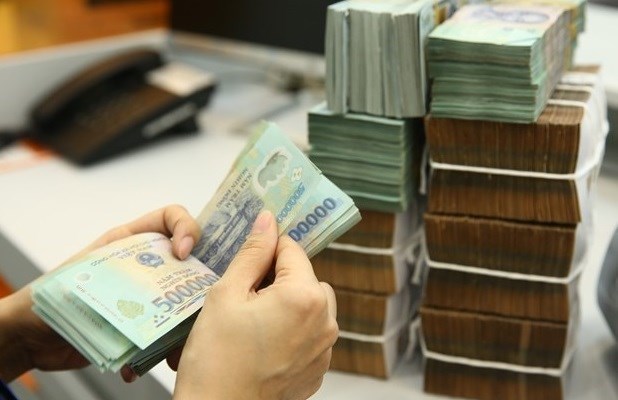
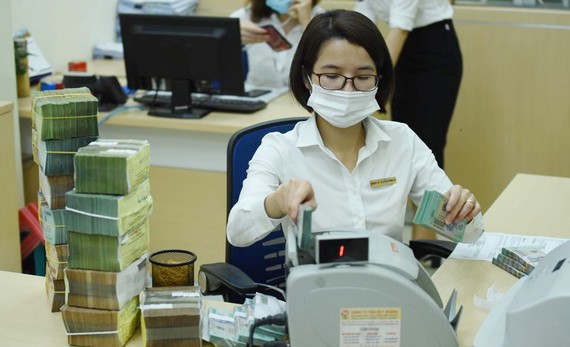
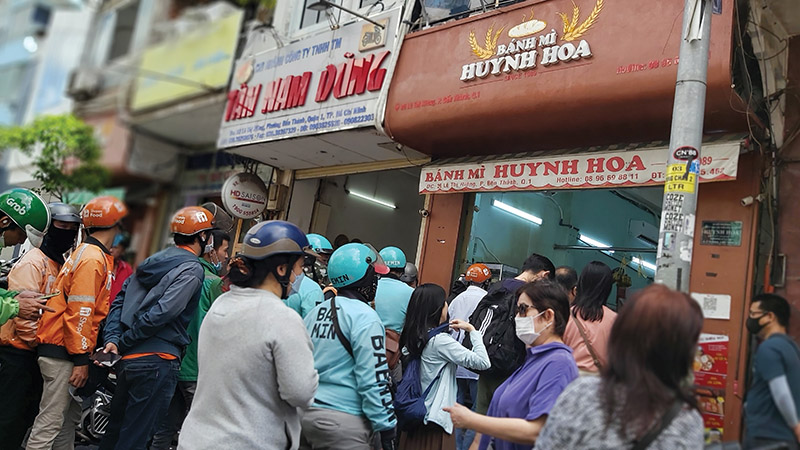
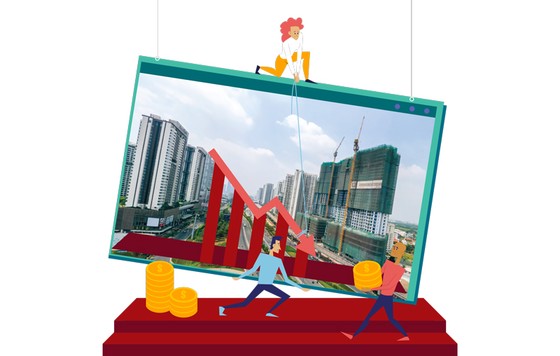
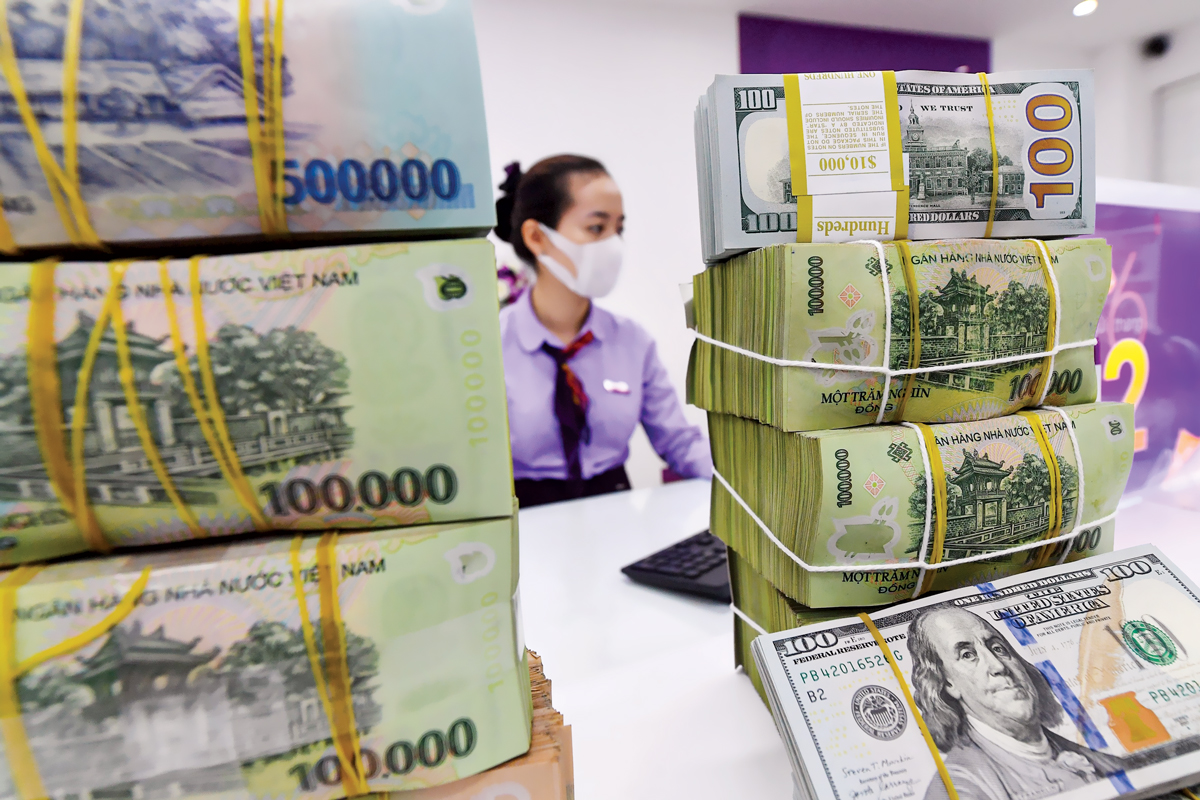
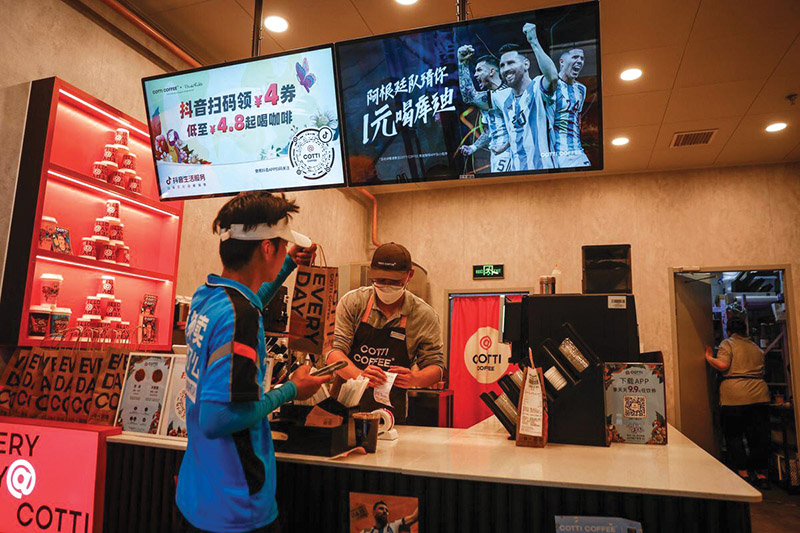
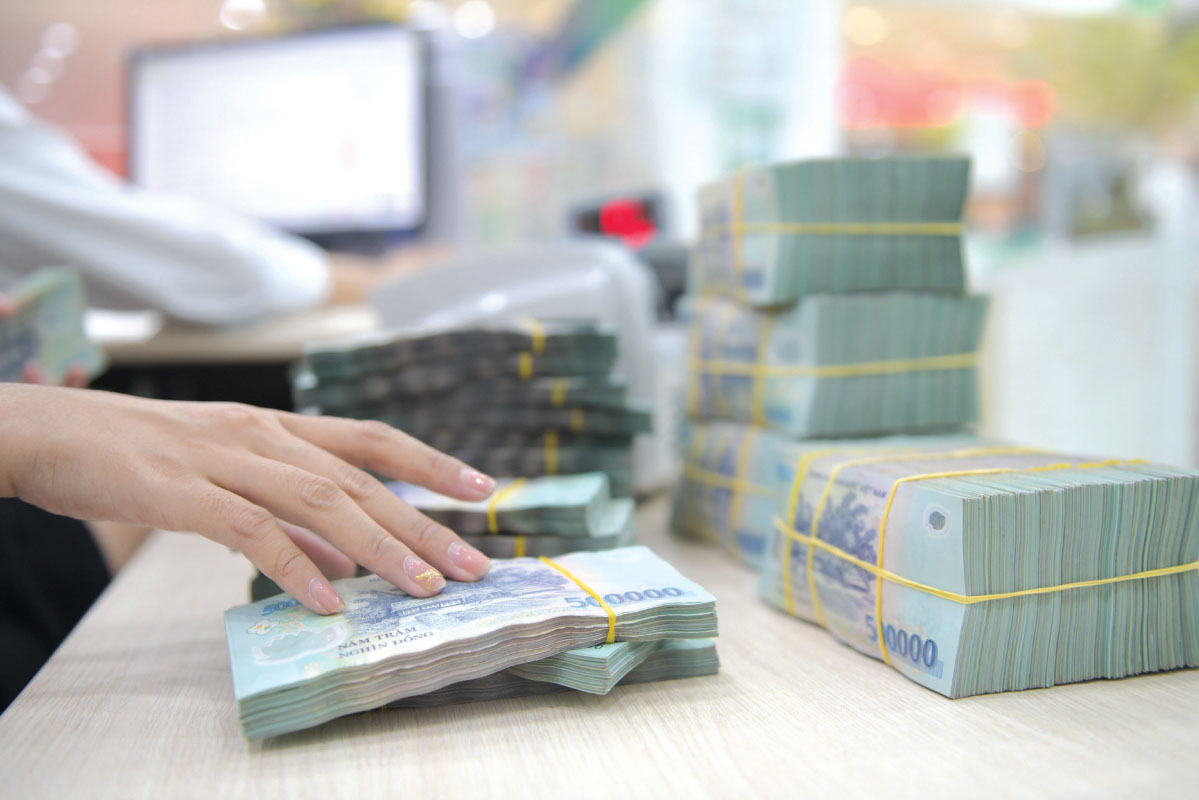
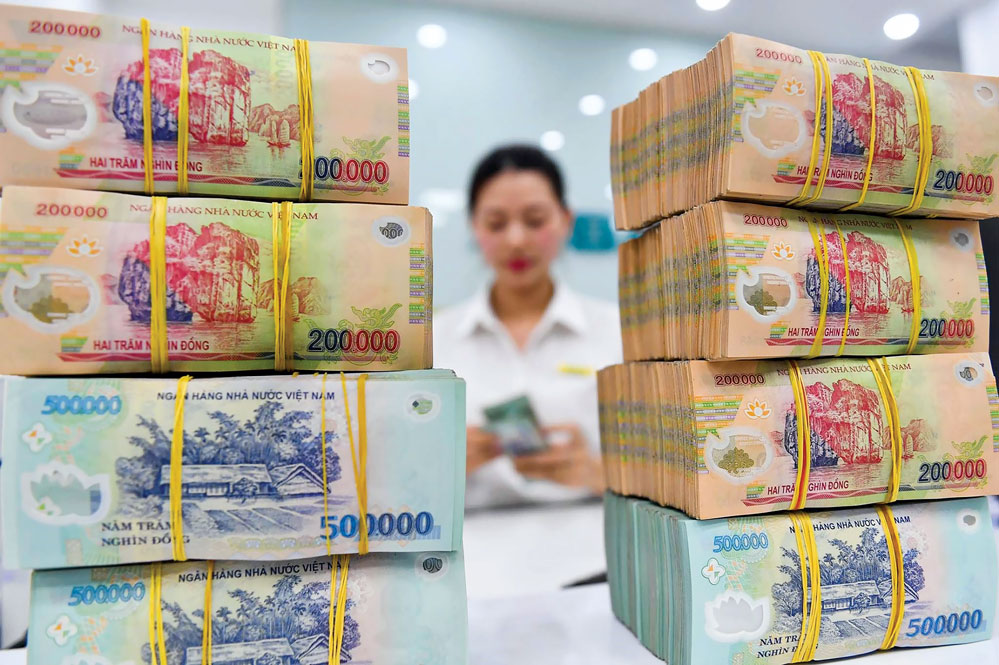
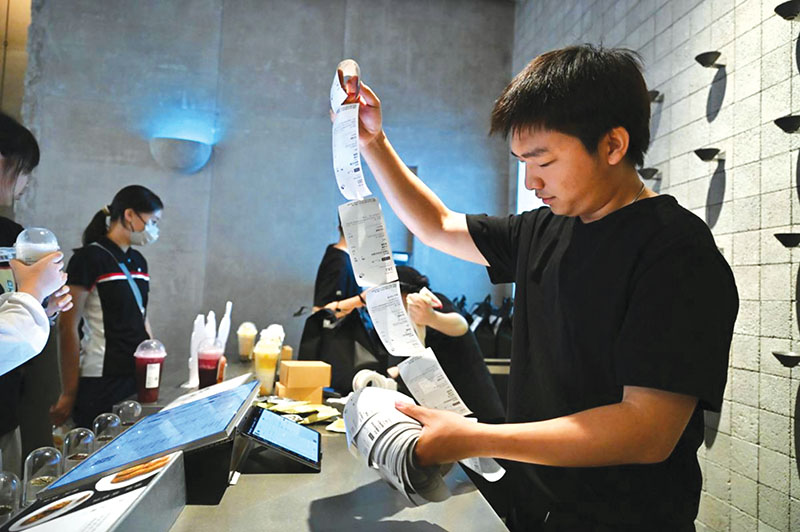
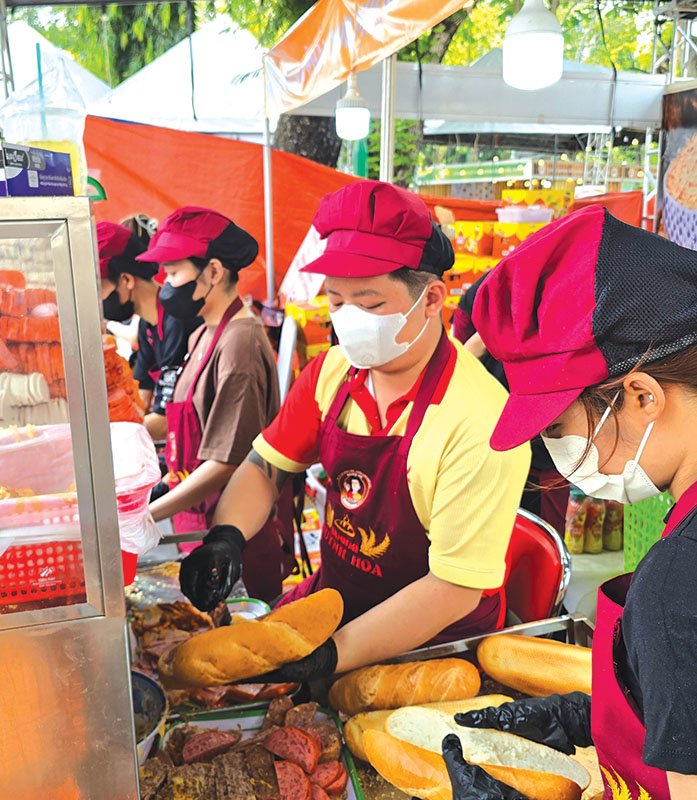
According to Momentum Works (reported by VIR, January 2026), Vietnamese consumers spent about US$2.1bn on food-delivery apps in 2025, up 19%. IMARC estimates the Vietnamese cloud kitchen market at about US$425m in 2025 (a research estimate). But GrabFood commissions typically run 15–25% of order value (up to 30%) before VAT, and with in-app advertising, platform-related costs can reach 40–45% of revenue (B&Company).
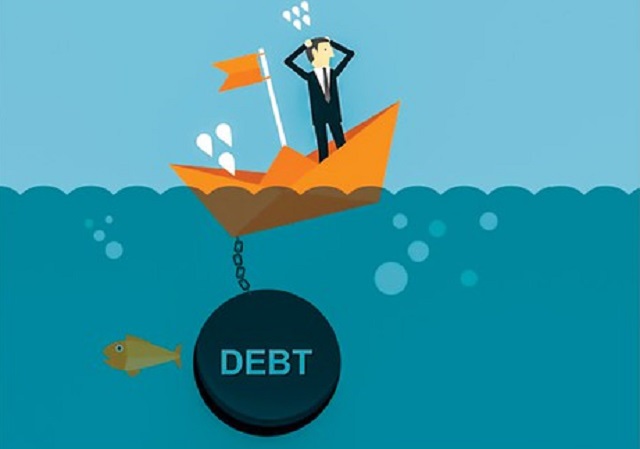
Several Vietnamese cloud-kitchen models of 2020–2021 went quiet; Grab closed GrabKitchen in Indonesia in December 2022; Kitchen United exited physical kitchens in the US in 2023. The common thread: platform, marketing and operating costs ate the rent savings, and brands had no direct contact with guests.
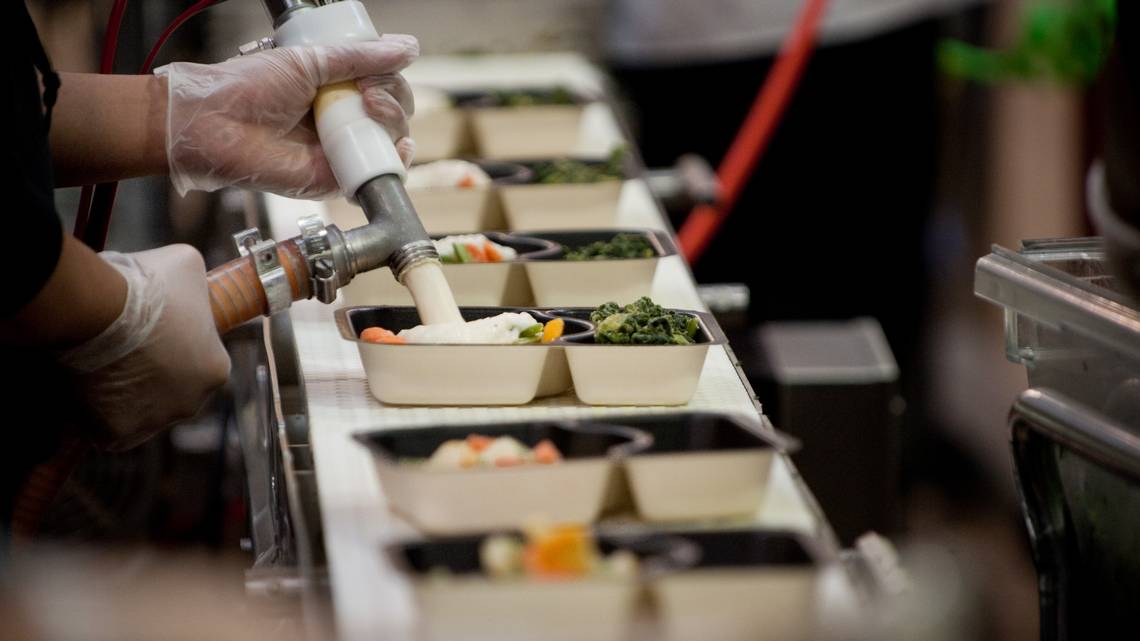
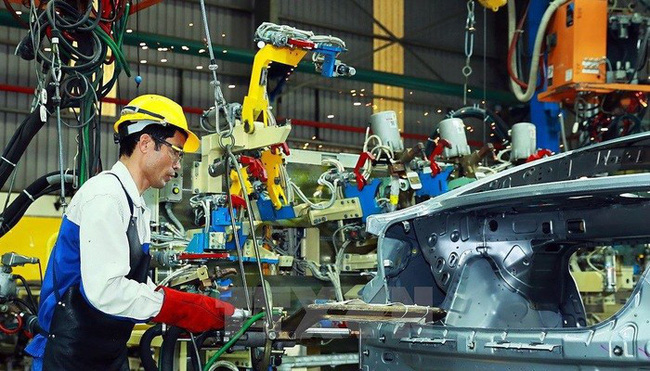
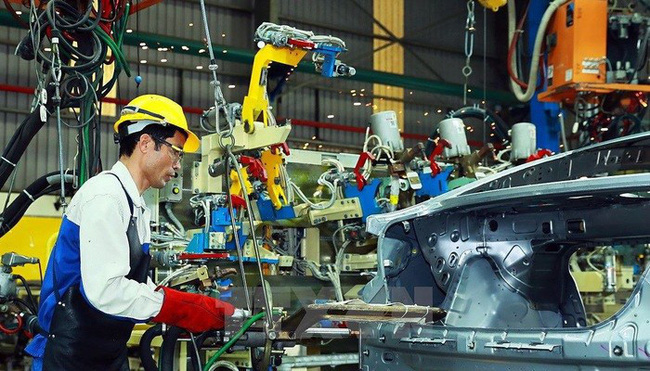
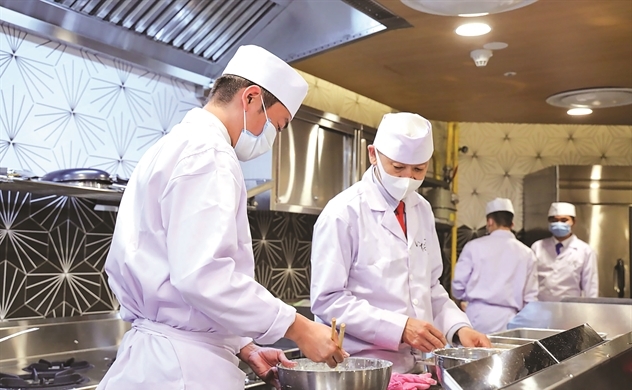
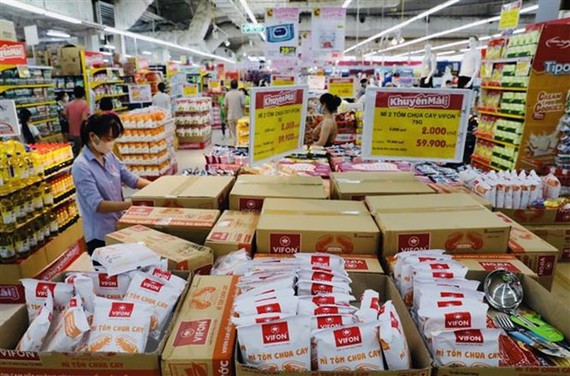
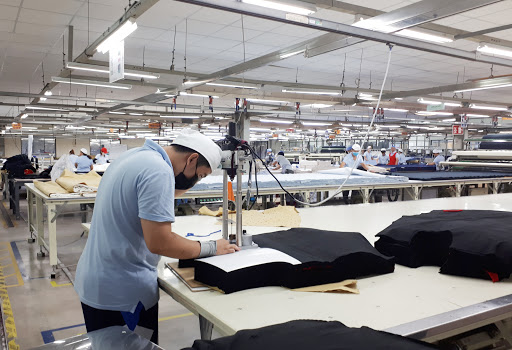
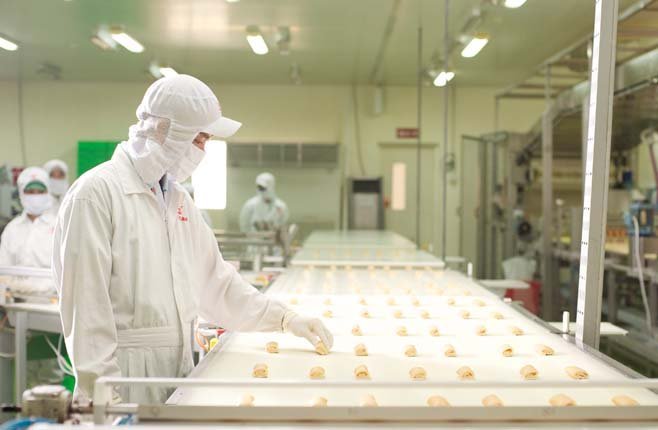
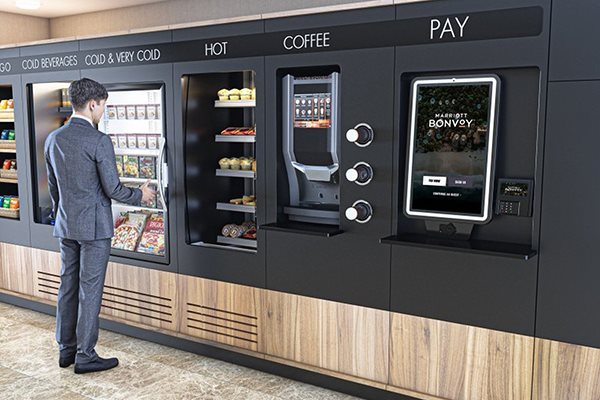
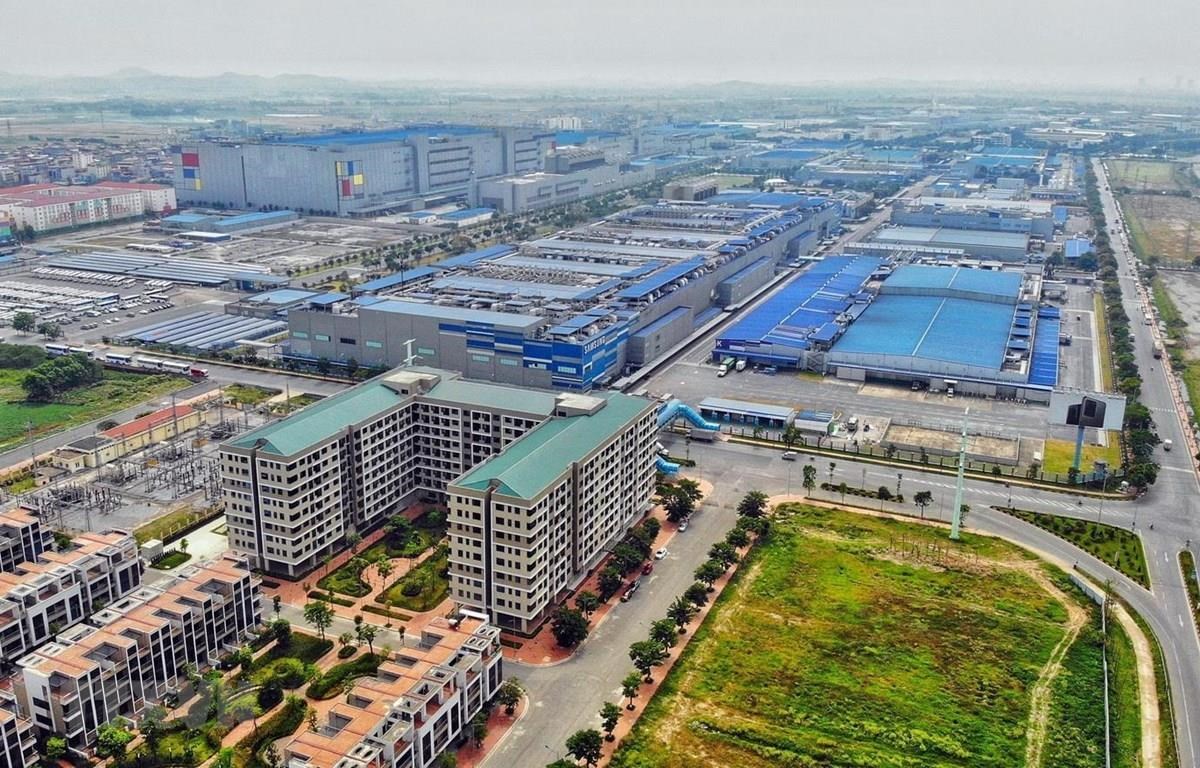
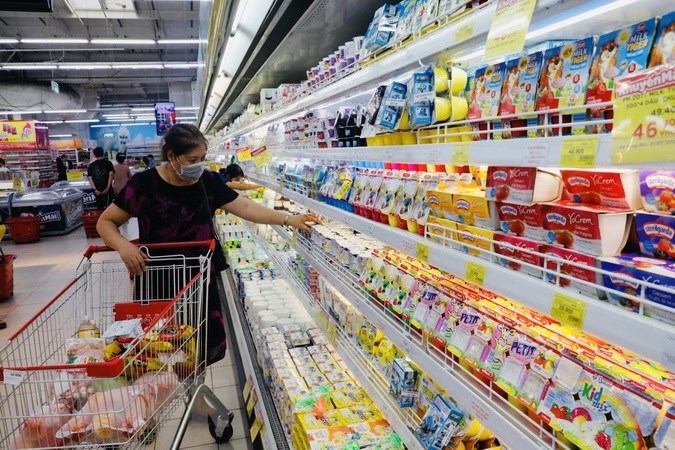
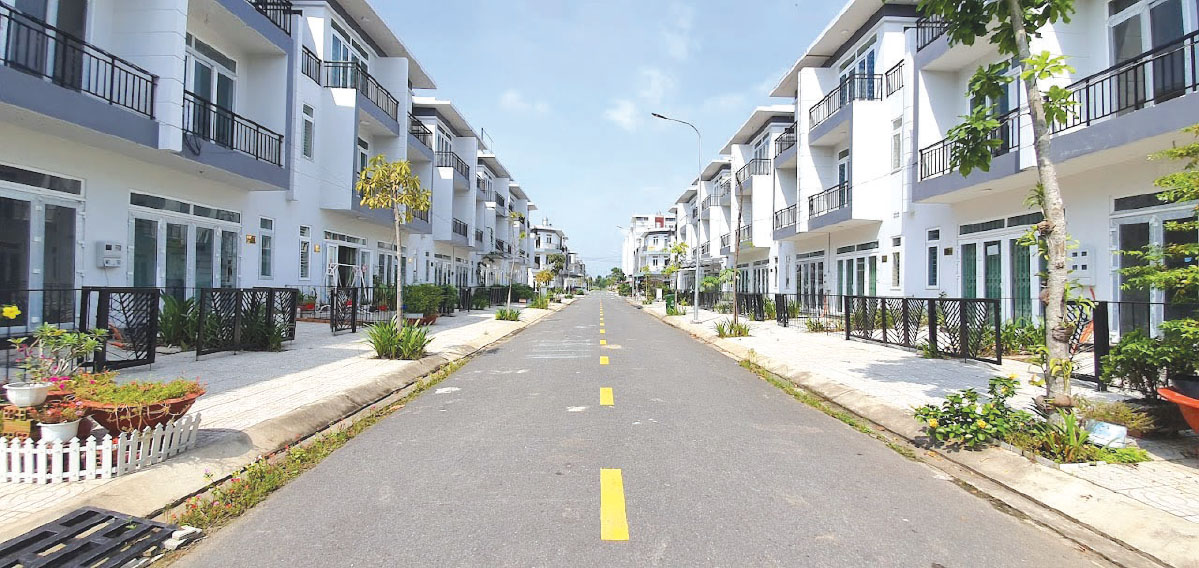
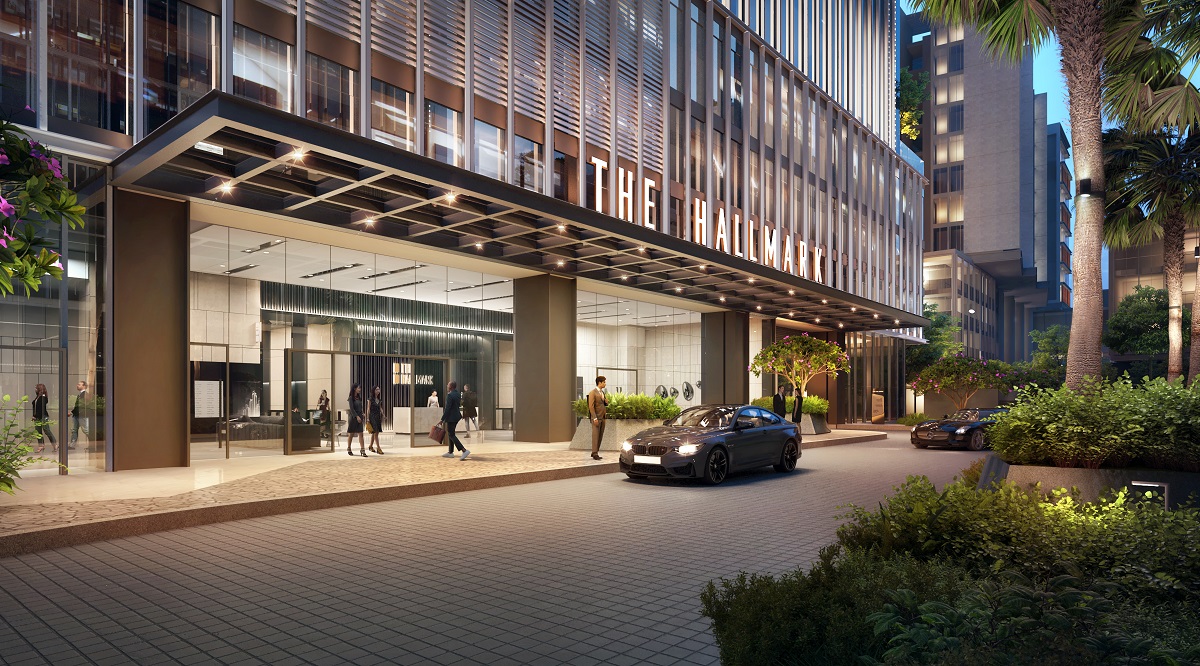
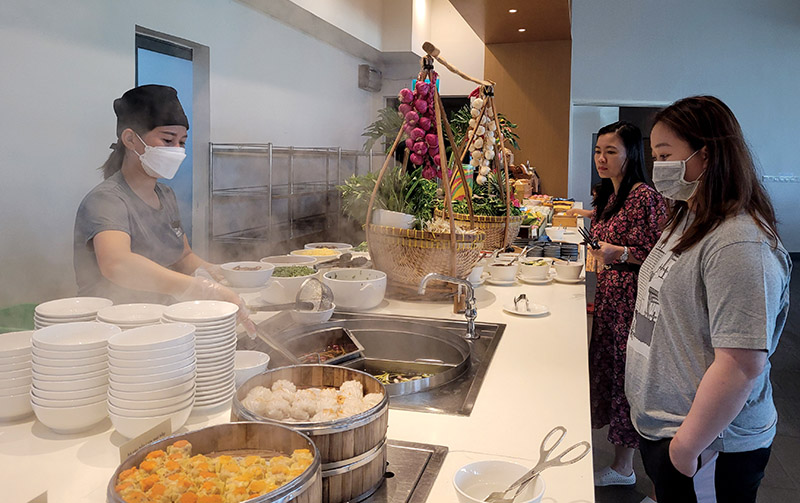
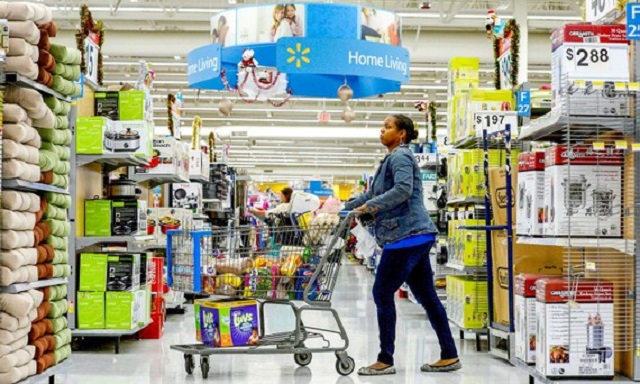
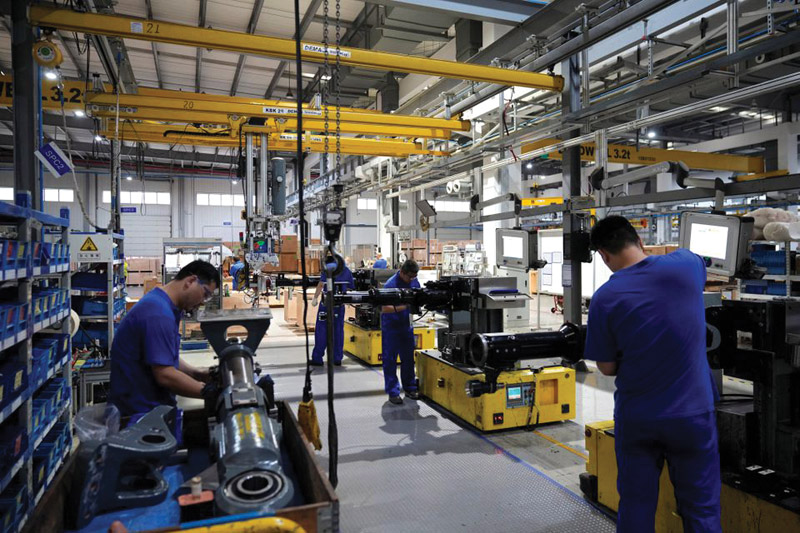
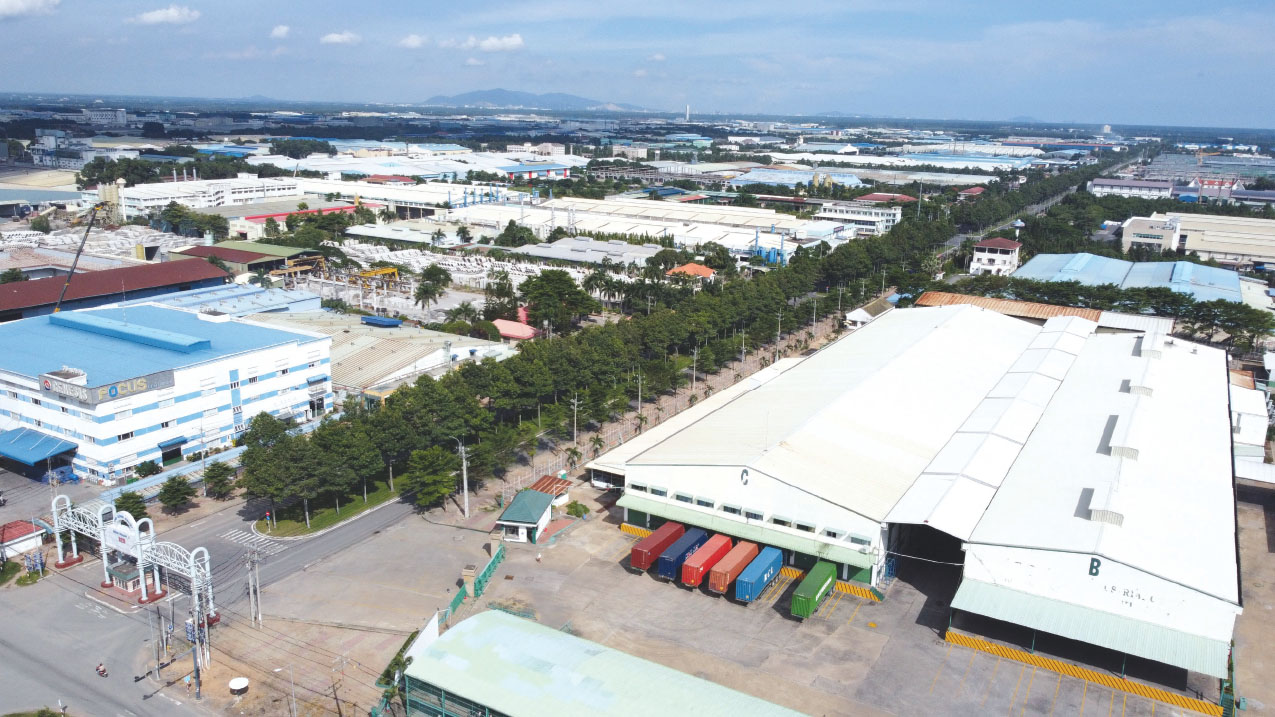
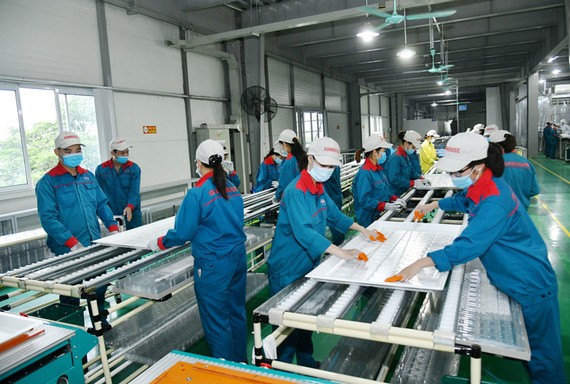
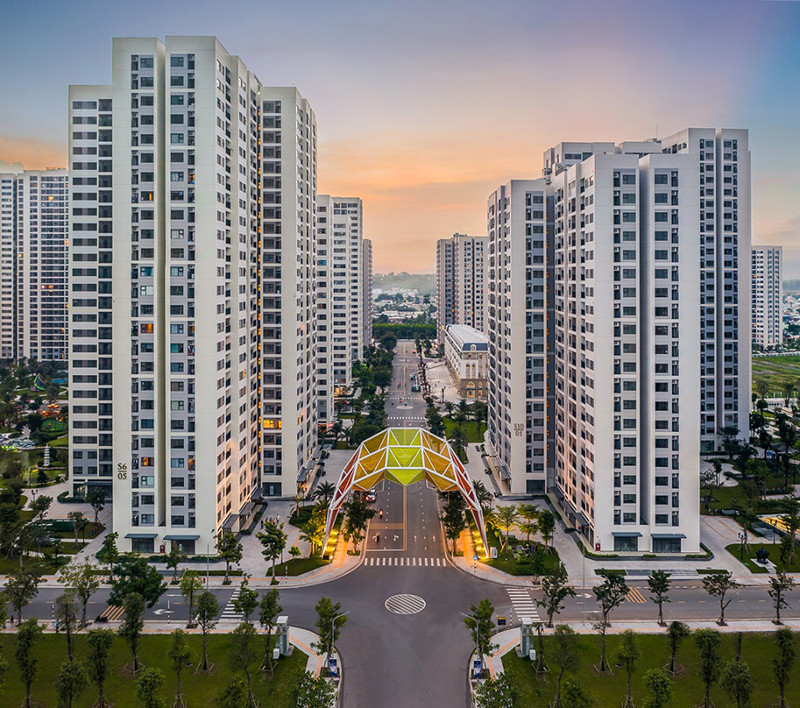
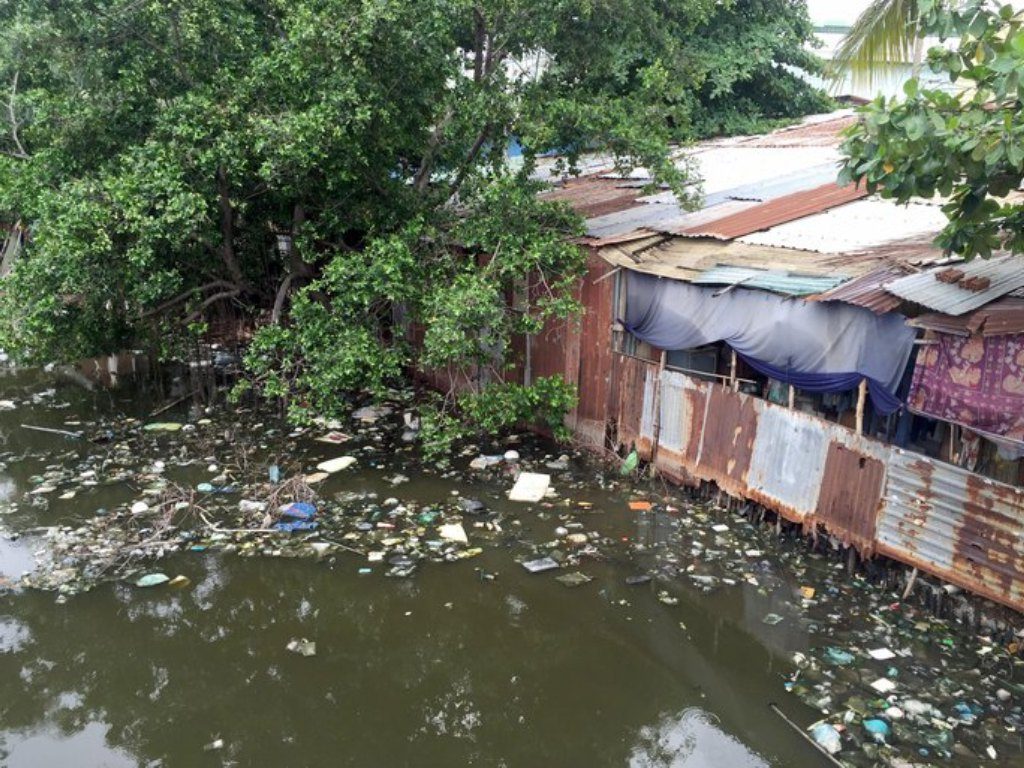
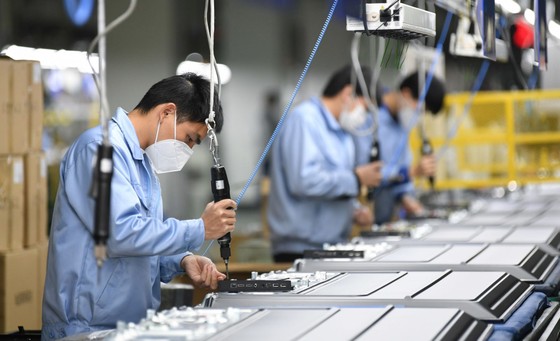
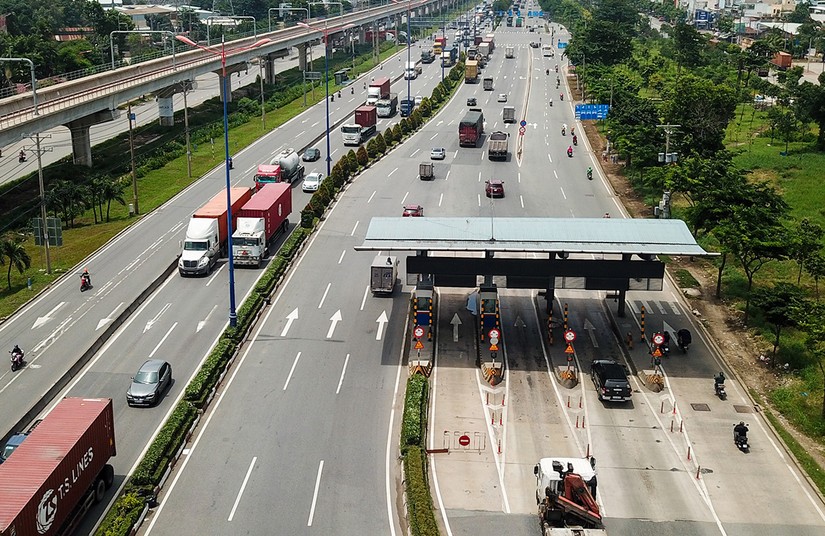
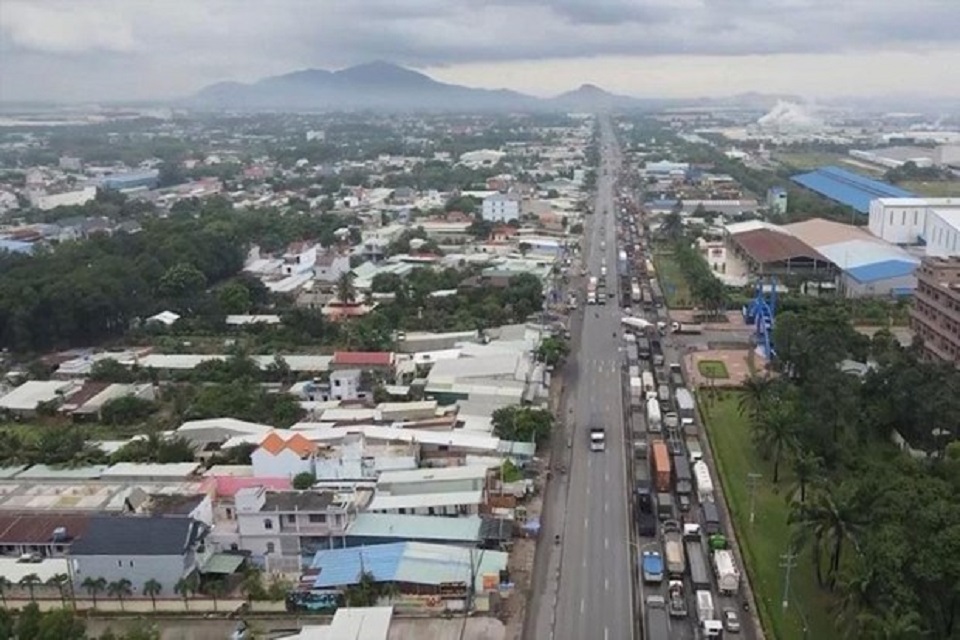
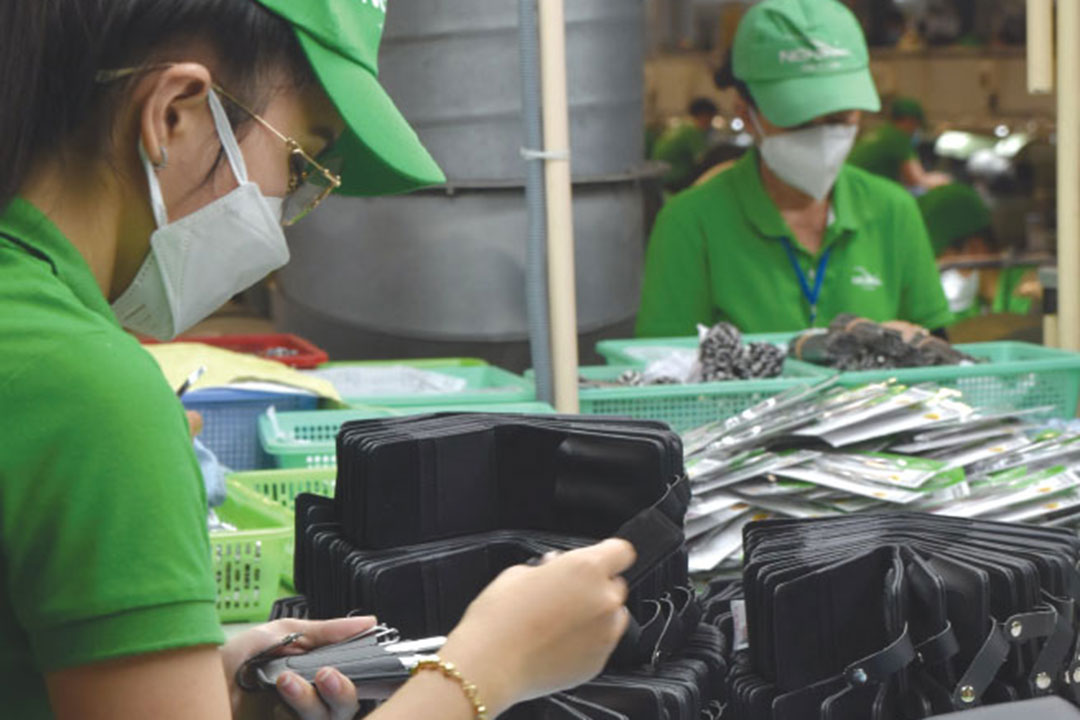
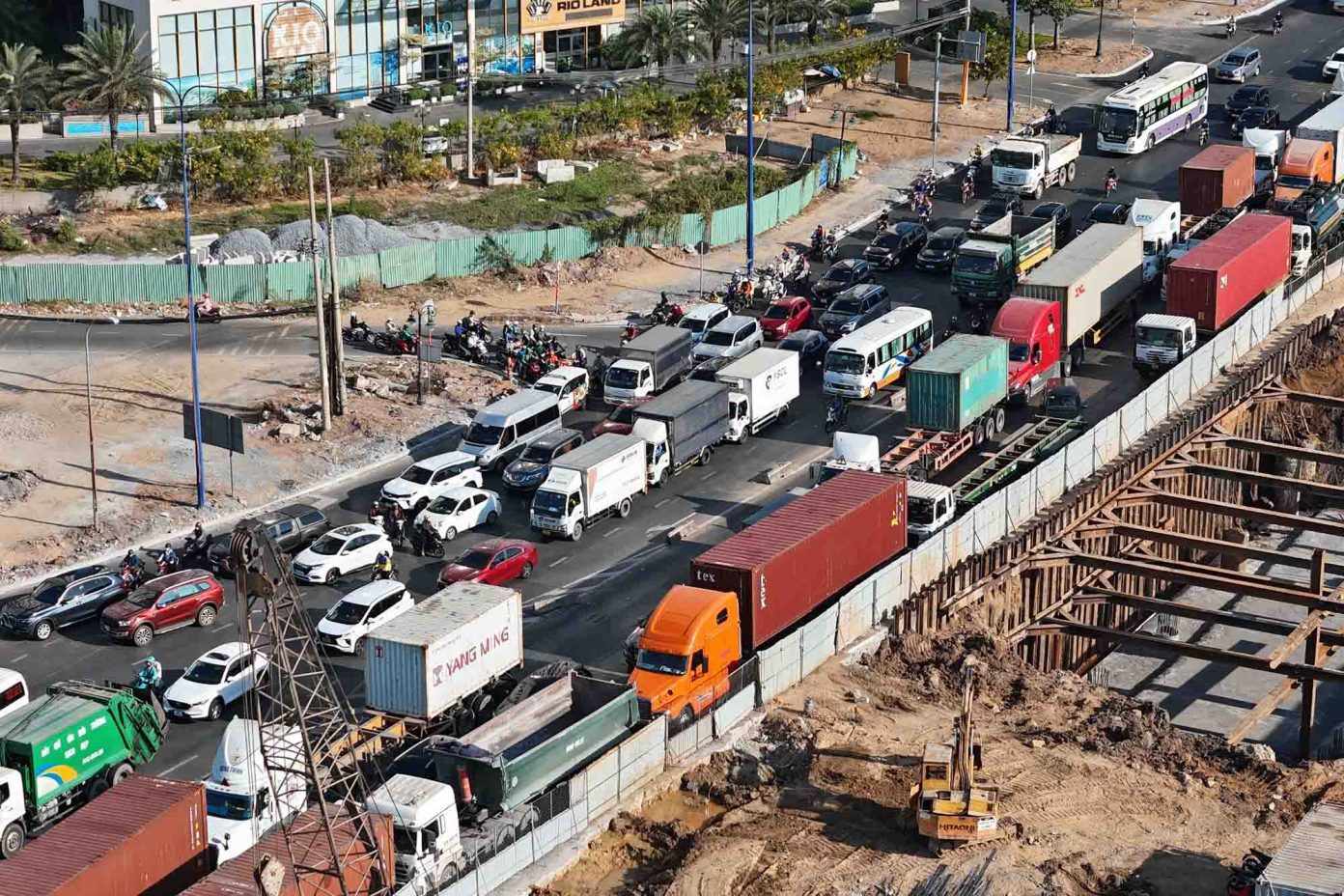
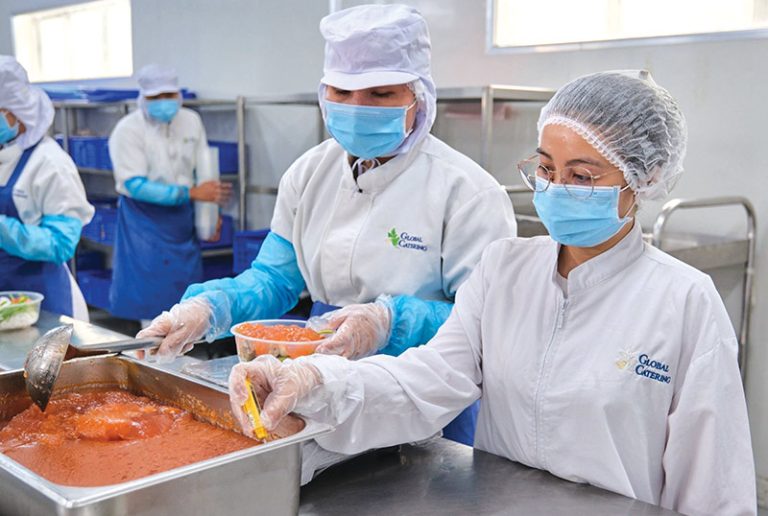
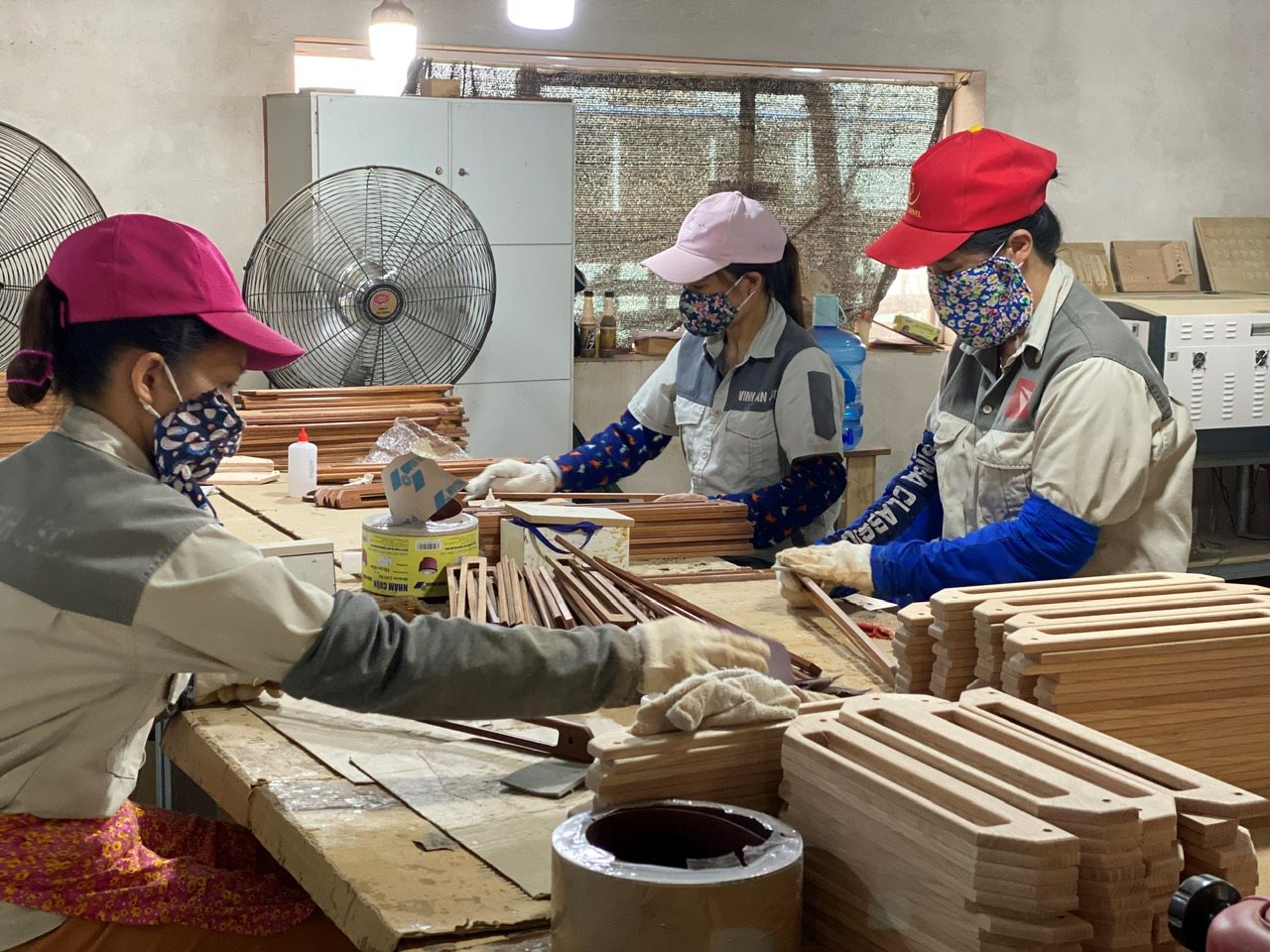
Bếp trung tâm phù hợp khi doanh thu chủ yếu từ giao hàng · Ảnh: Ricardo Gomez Angel / Unsplash
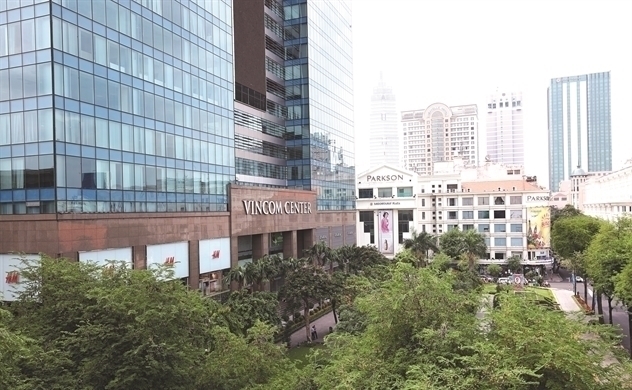
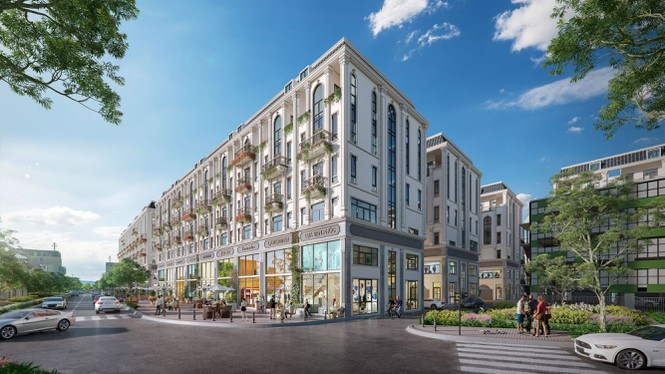
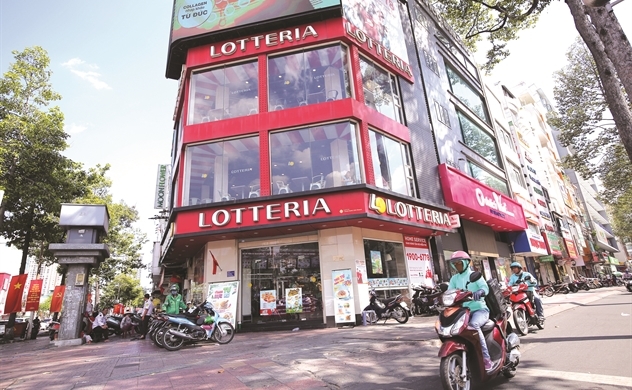
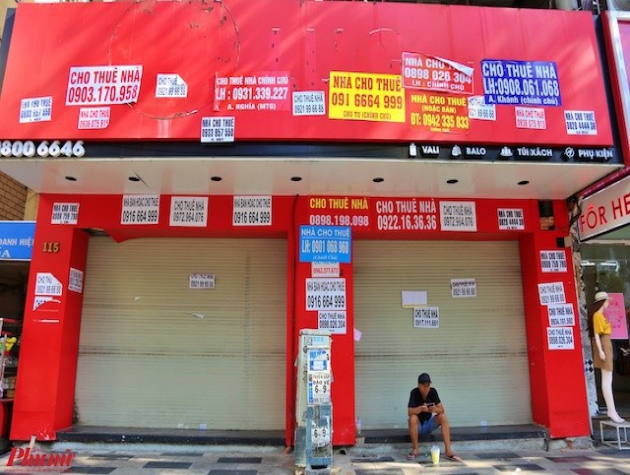
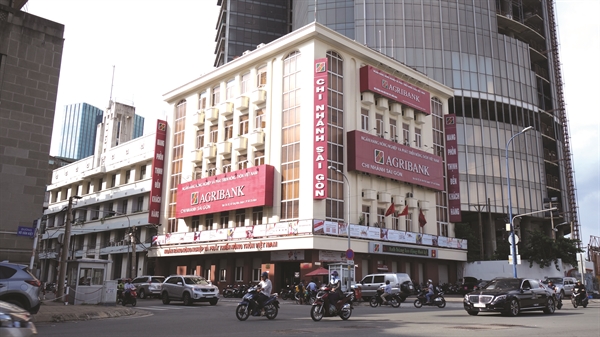
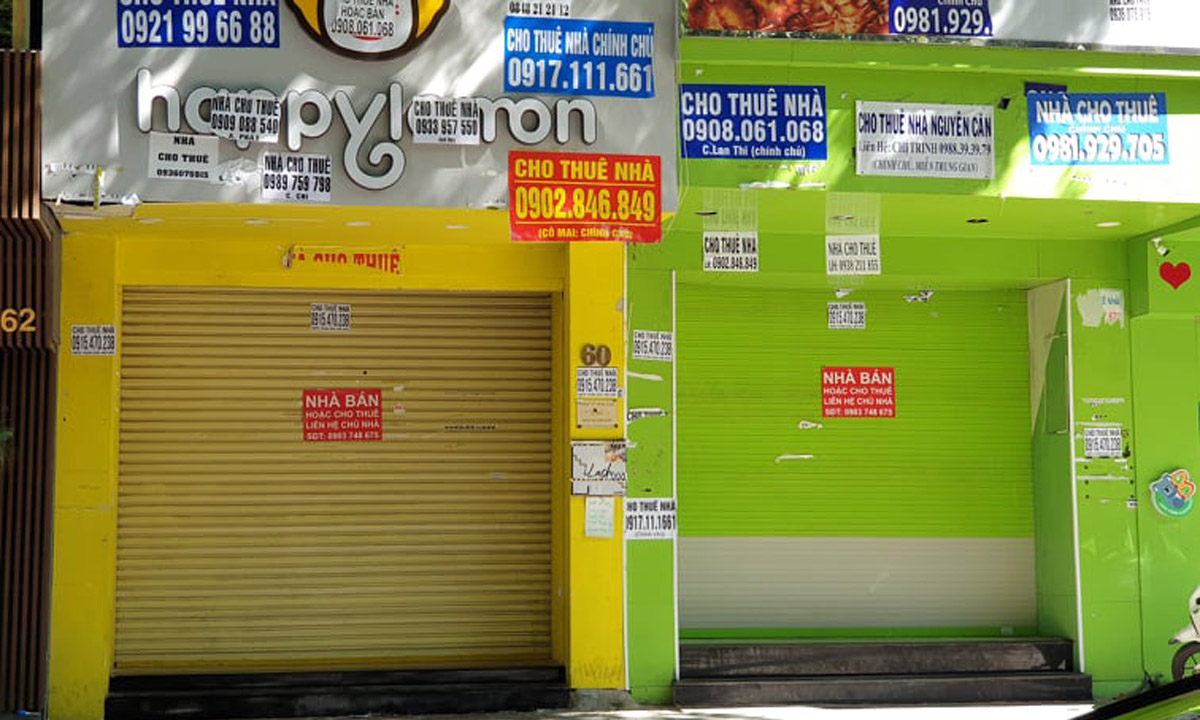
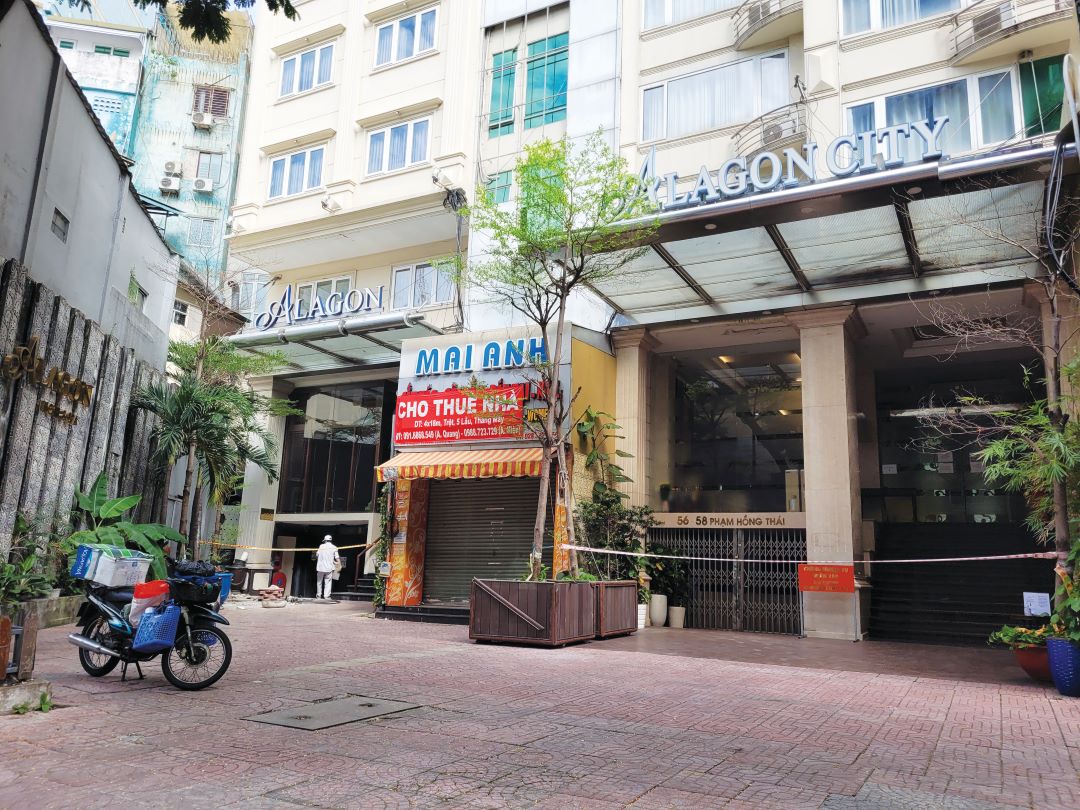
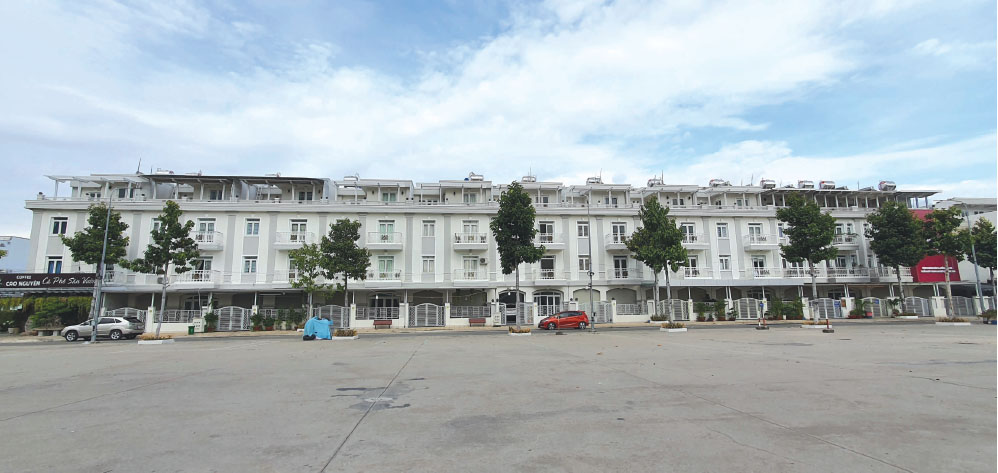
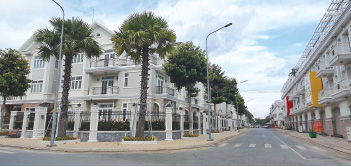
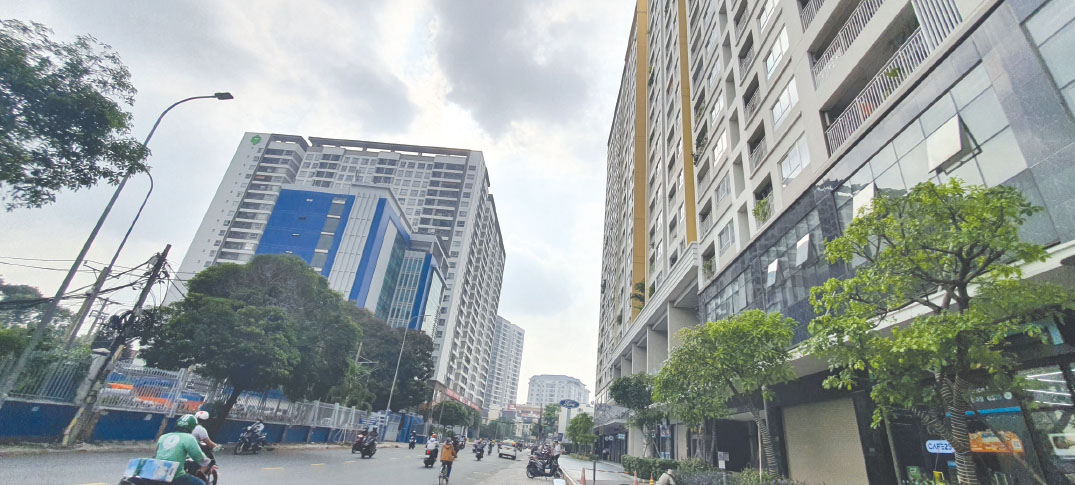
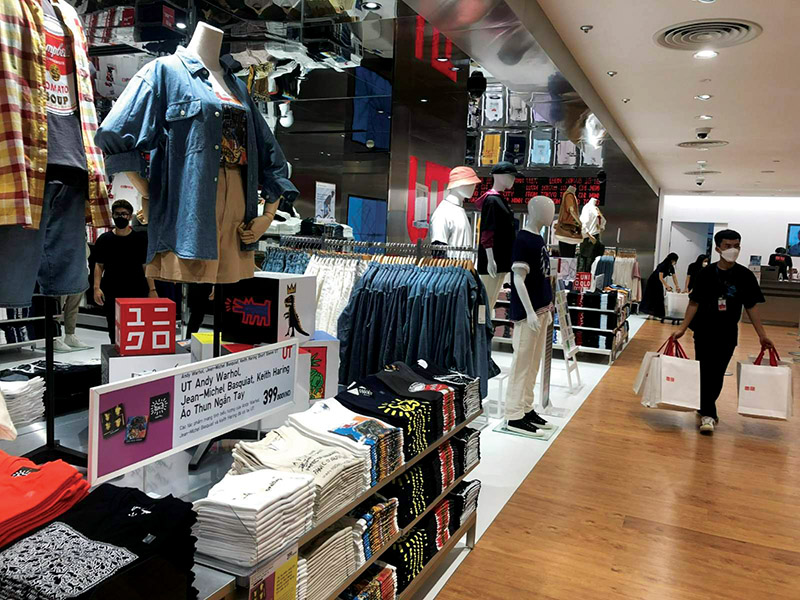
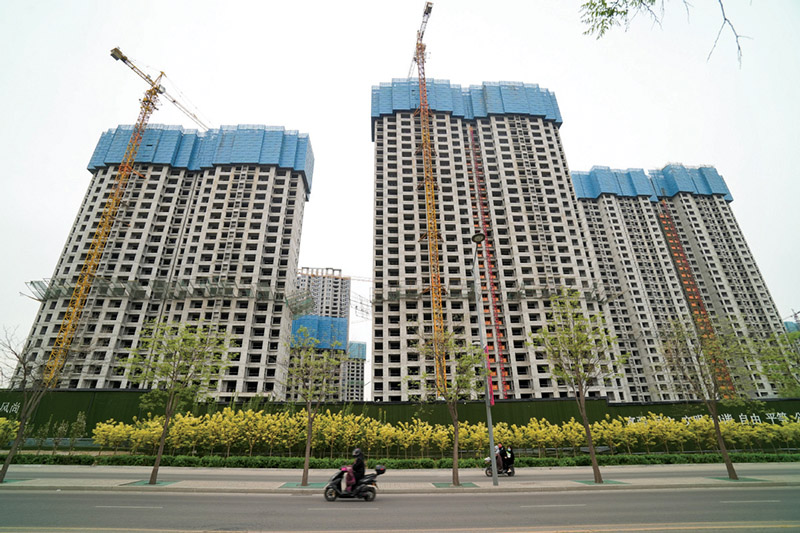
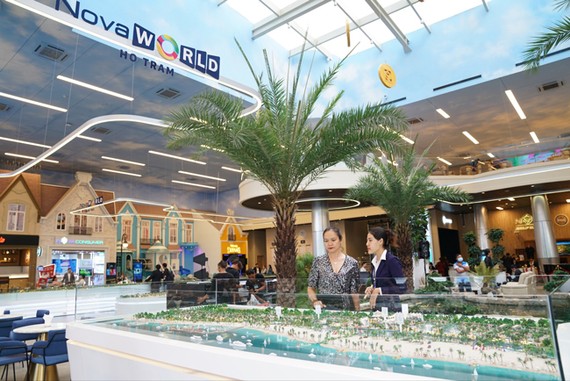
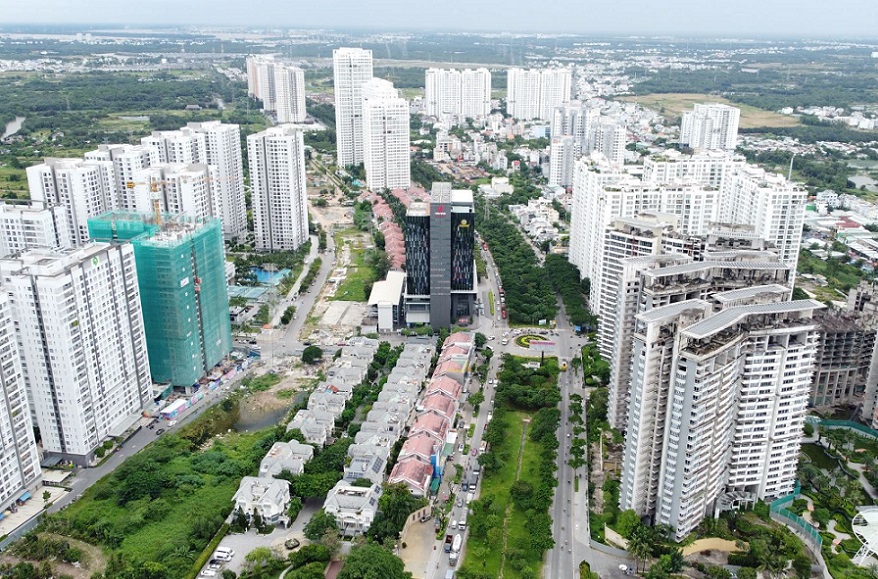
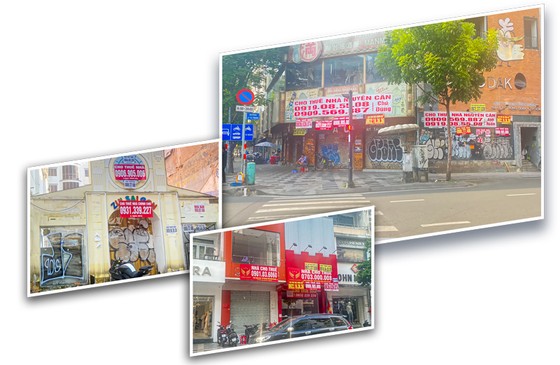
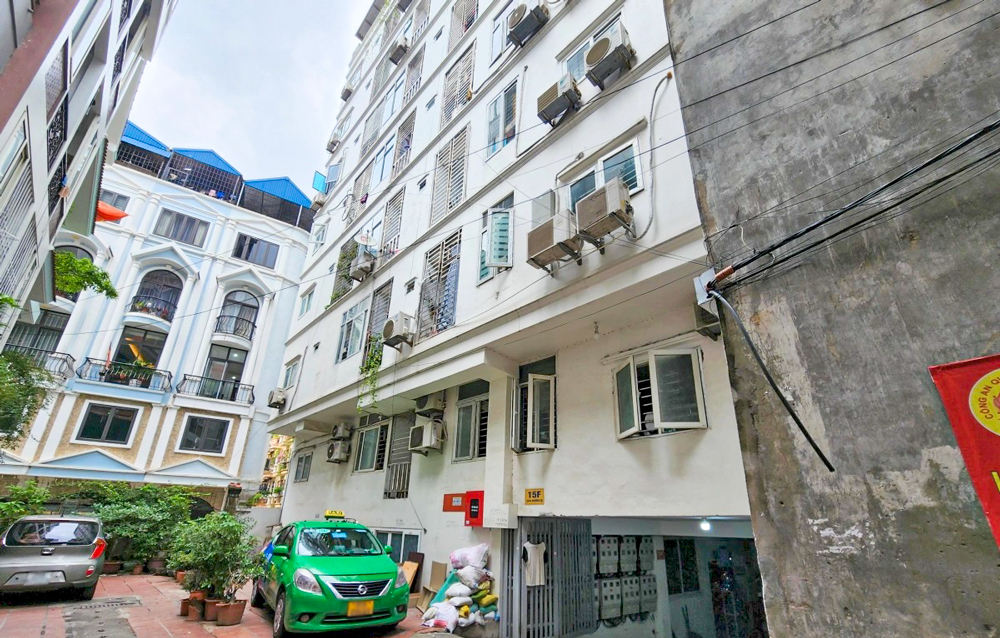
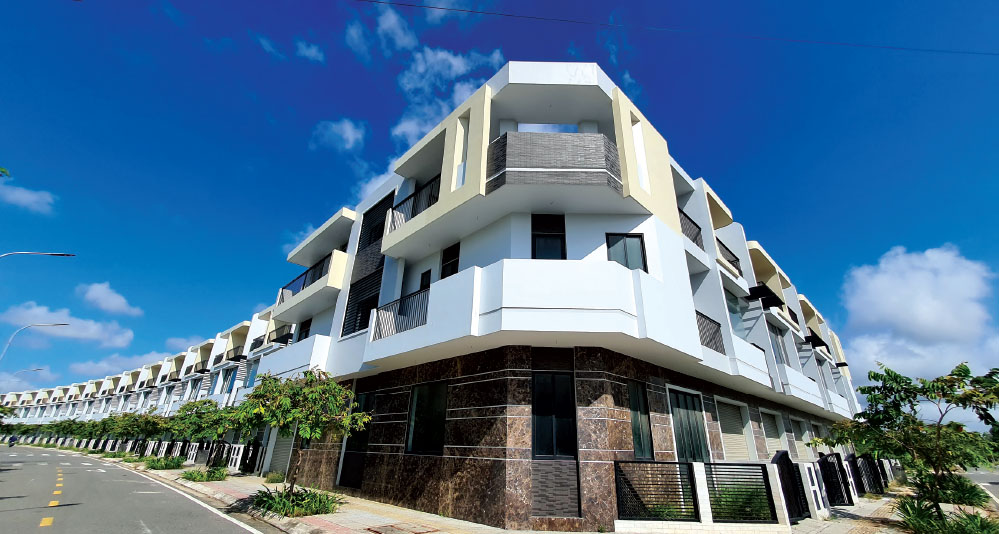
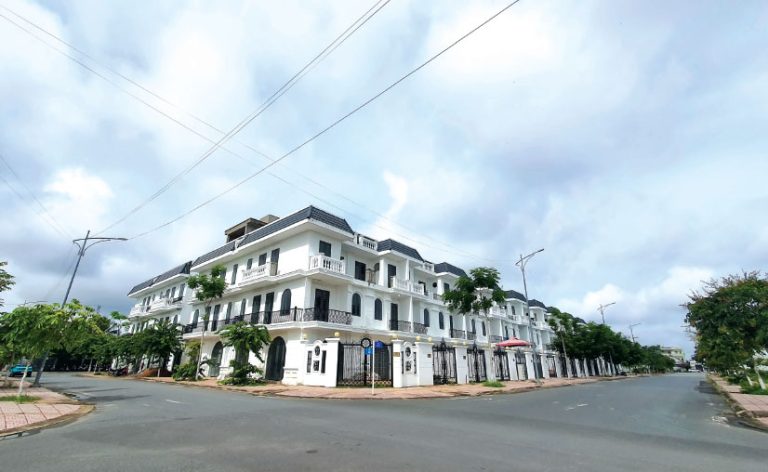
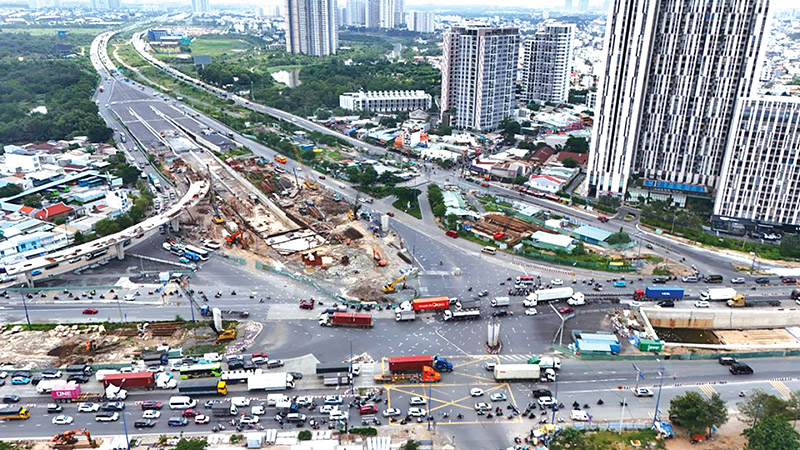
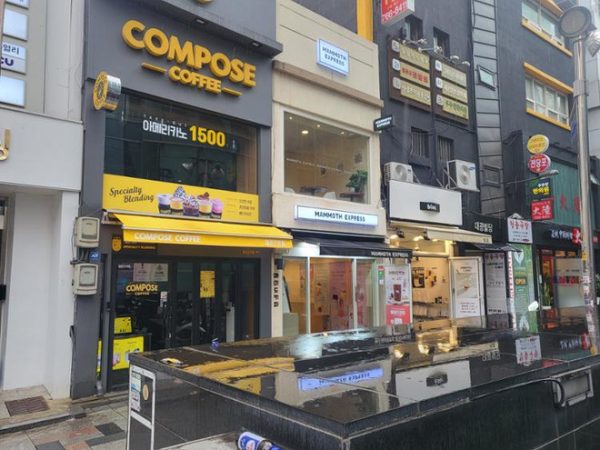
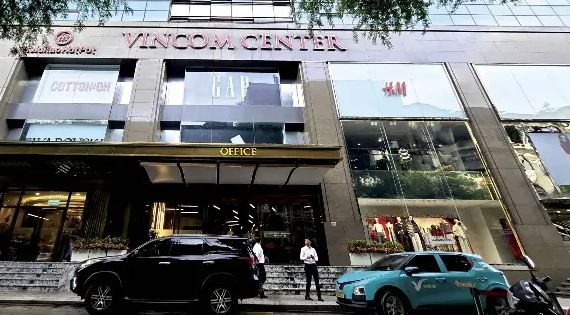
CBRE data reported by CafeF (17/10/2026) put central HCMC retail asking rents at about US$288.6/m²/month in Q3 2026, flat year on year, while some street-front landlords have cut asking rents by 10–20%. In Hanoi, Cushman & Wakefield reported average ground-floor rents of about US$50/m²/month in Q1 2026 (+10.1% y-o-y).
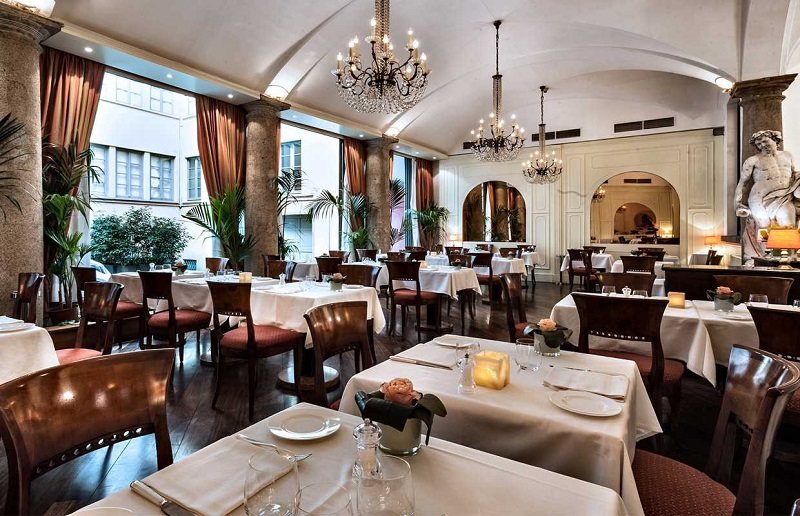
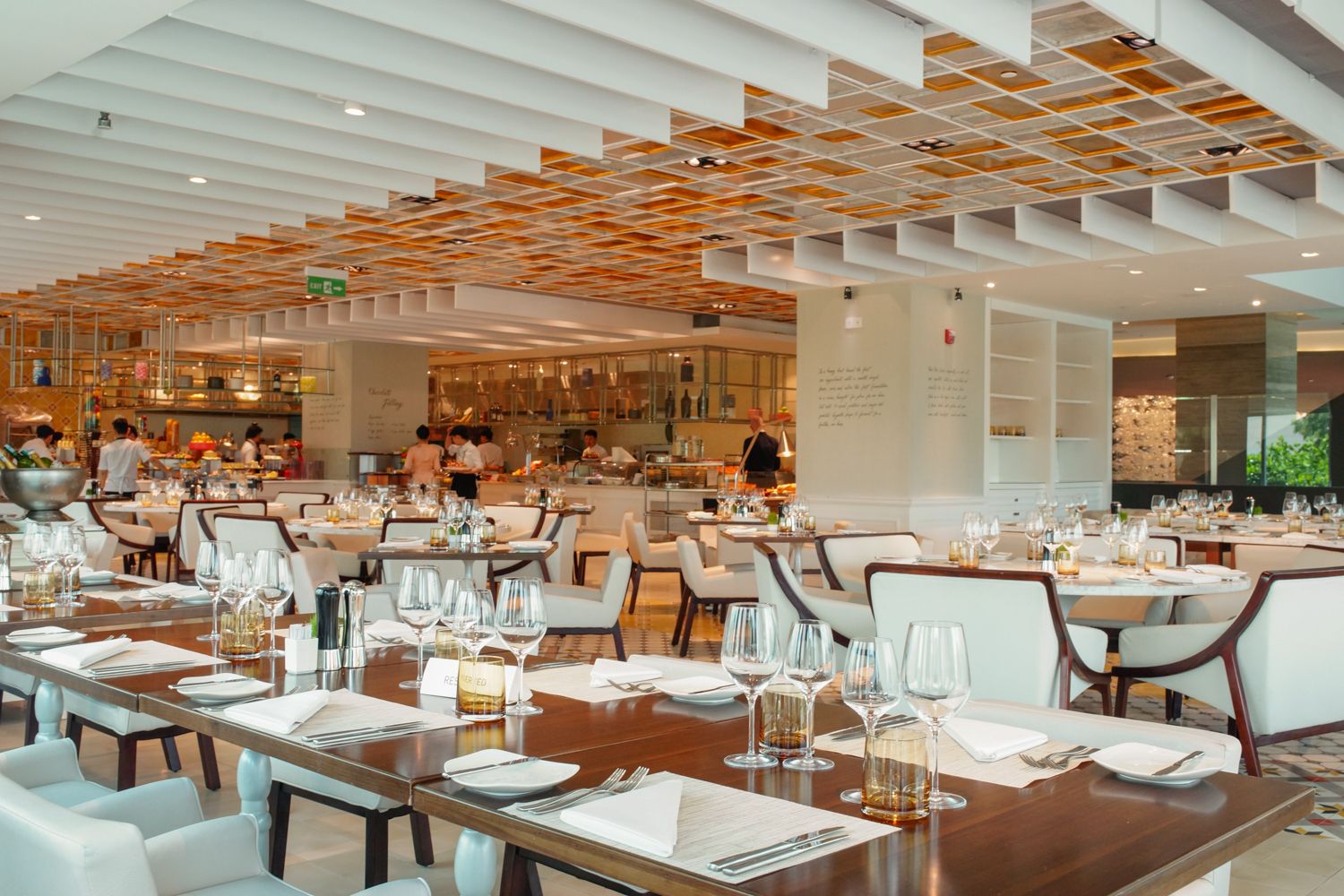
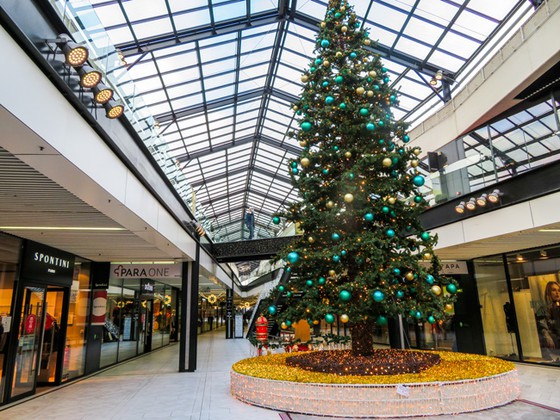
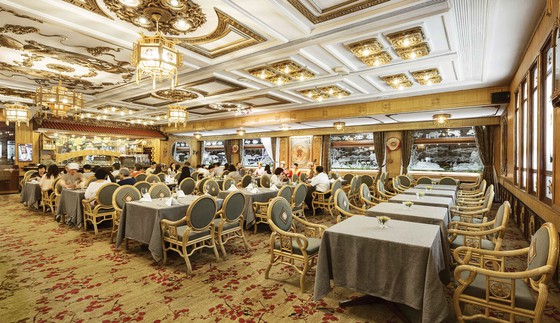
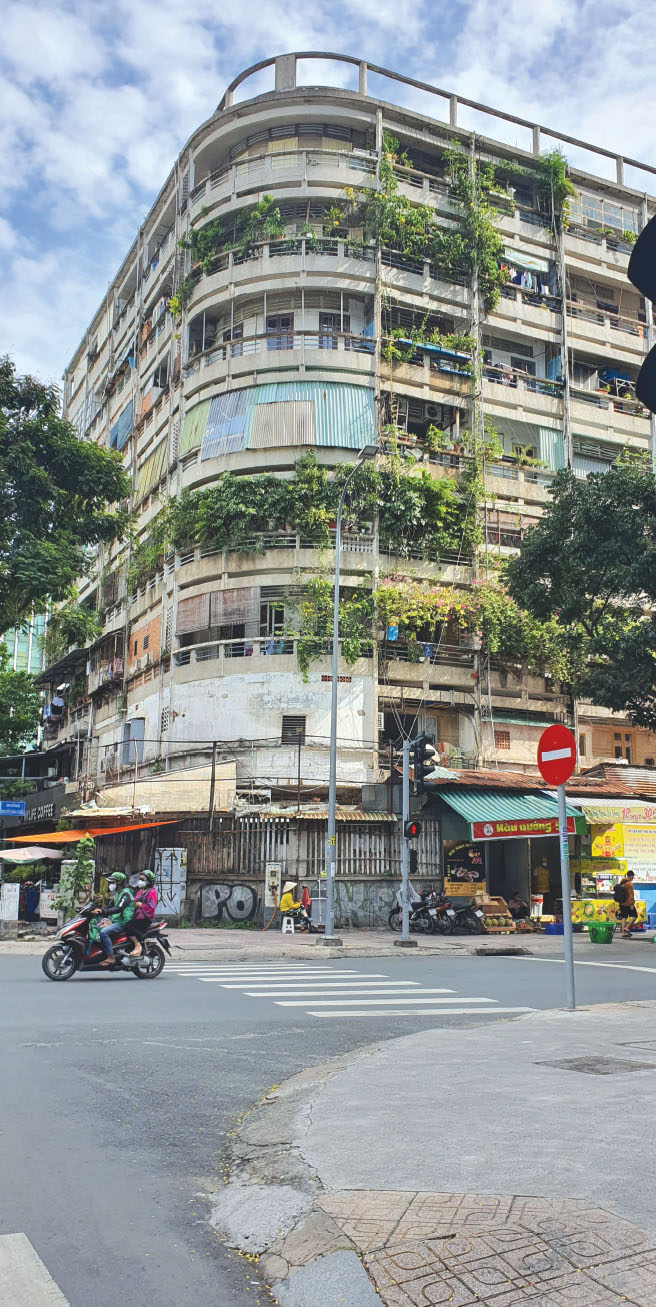
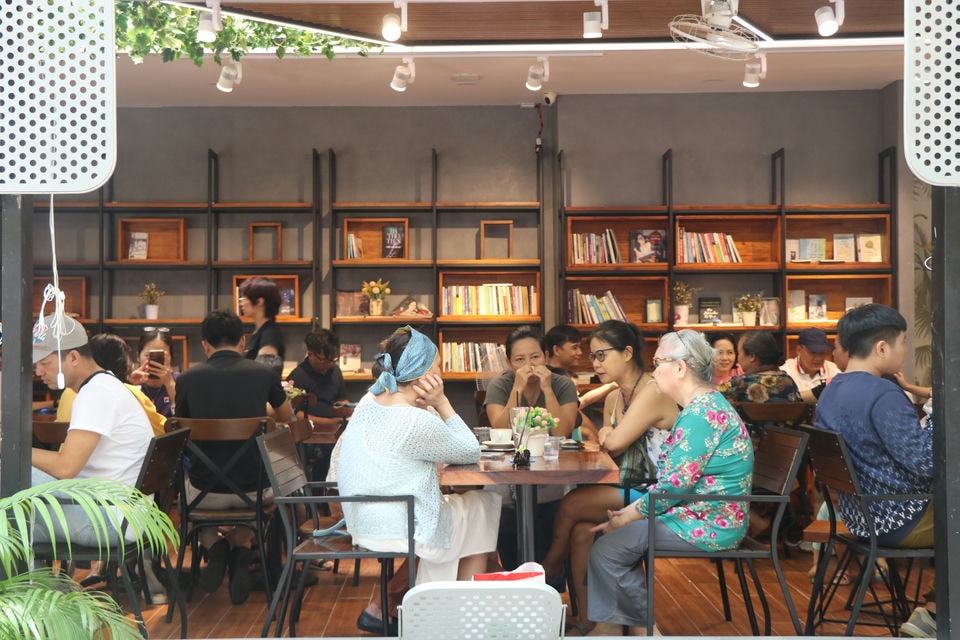
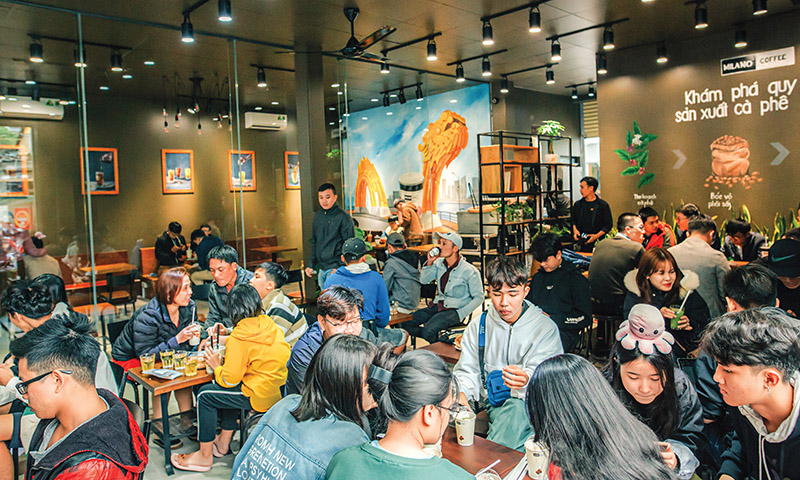
Experience-led formats such as cafés, family restaurants and fine dining still need a storefront, and 2026 may be a good time to negotiate lease terms.
Note: for reference only; not a substitute for legal or financial advice on specific leases.
IRR Group – International Recreation & Resort Management

Telephone: 0909.140.866
Email: info@irrmanagement.com.vn