Three hires this month, two resignations the next. Rosters are always short, veterans carry the new hires, and then the veterans leave too. Many hospitality managers say "that's just the industry". But when, in the same labour market, some operators keep their people and others don't, the problem is not only the market.

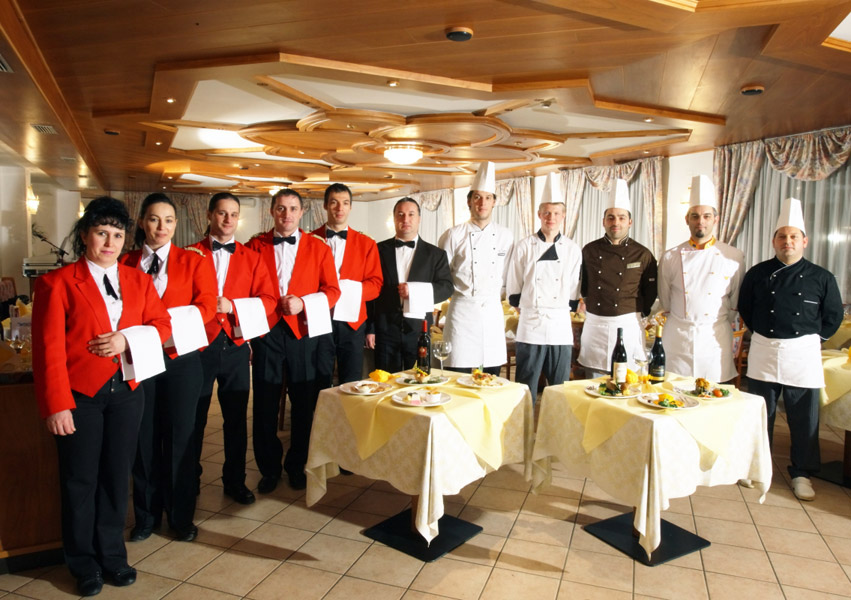
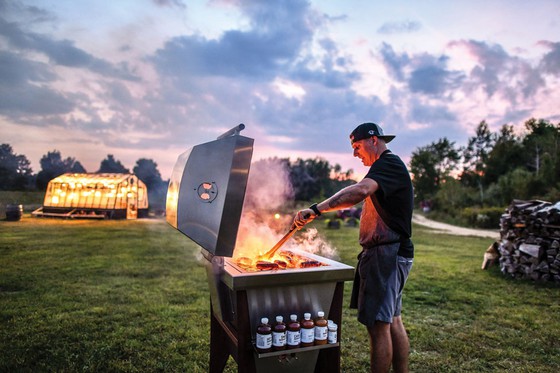
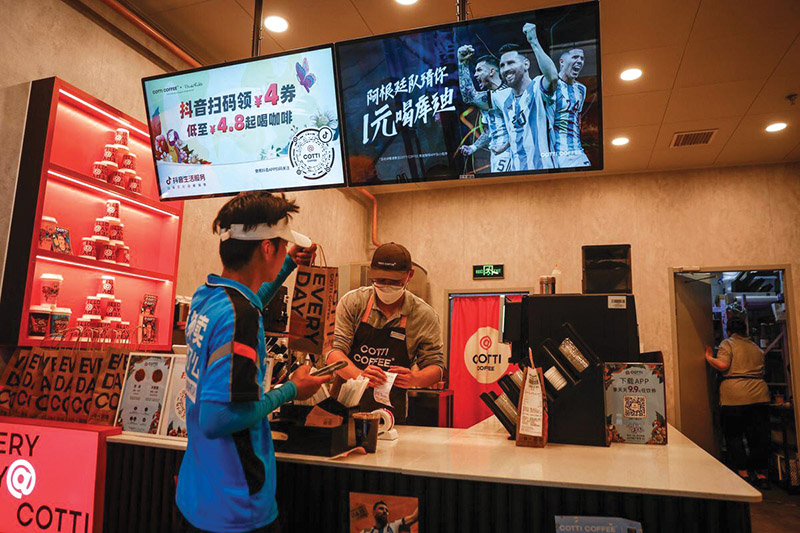
Mỗi người nghỉ việc để lại khoảng trống cho cả đội · Ảnh: Kitchen Rumors / Unsplash
A 2026 Hoteljob.vn survey of 331 Vietnamese tourism and hotel businesses (reported by The Leader, 28/8/2026) found average staff turnover of 18.9%, with a quarter of businesses at 30% or more; 77% said hiring was difficult. The sector needs about 60,000 workers a year, while training institutions supply about 20,000. In the US, the BLS reported a monthly quits rate of 3.5% in accommodation and food services in August 2026, versus 1.9% across the economy.
A classic Cornell study (Hinkin & Tracey, 2006) estimated replacement costs of about US$6,000 for a frontline lodging employee and US$10,000 for a manager: recruitment, training time, lower productivity, service errors and overtime for those who stay.
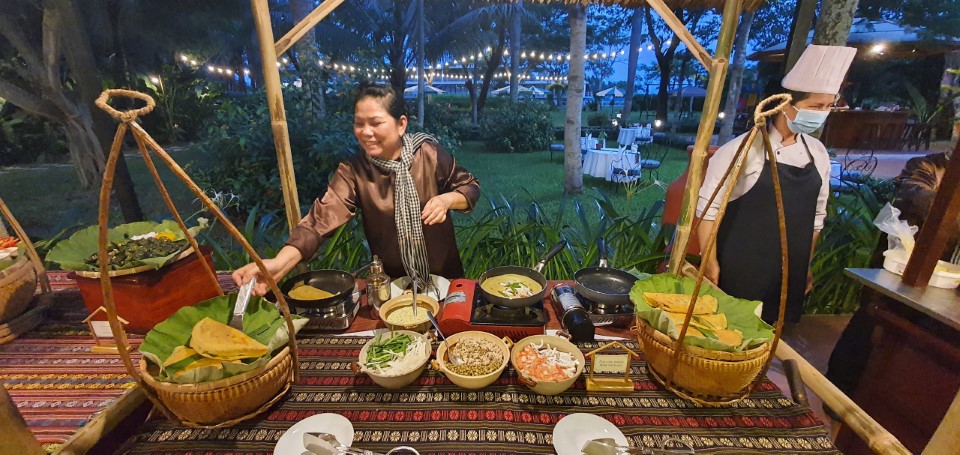
Người trẻ ở lại khi thấy được bước phát triển tiếp theo · Ảnh: Trường Trung Cấp Kinh Tế Du Lịch TP.HCM (CET) / Unsplash
In the Hoteljob.vn survey, 31% left over pay and 31% for more attractive jobs. Pay is often the last straw; the build-up comes from erratic rosters, poor first weeks, no visible career path, the direct manager, and prolonged overload.
Turnover is the financial statement of people management. Managers cannot control the labour market, but they can control rosters, onboarding, career paths and daily behaviour, the core of the hospitality management training IRR delivers with its partners.
Sources: The Leader (Hoteljob.vn survey), 28/08/2026; U.S. BLS, 13/10/2026; Cornell Chronicle, 18/12/2006.
IRR Group – International Recreation & Resort Management

Telephone: 0909.140.866
Email: info@irrmanagement.com.vn