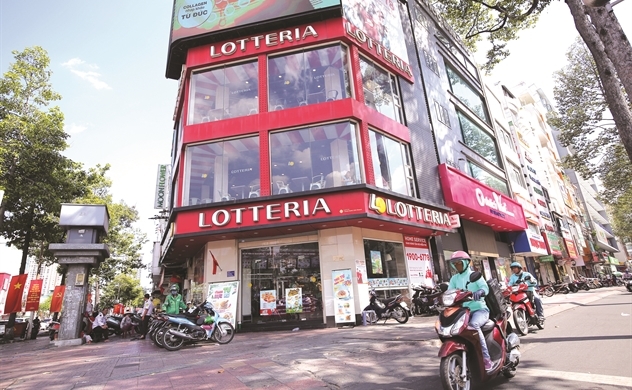
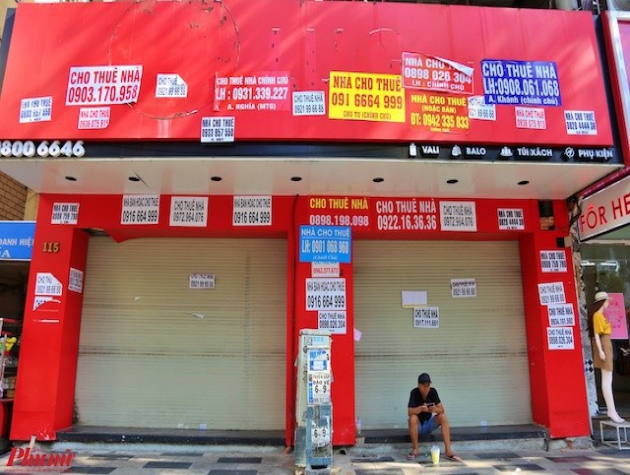
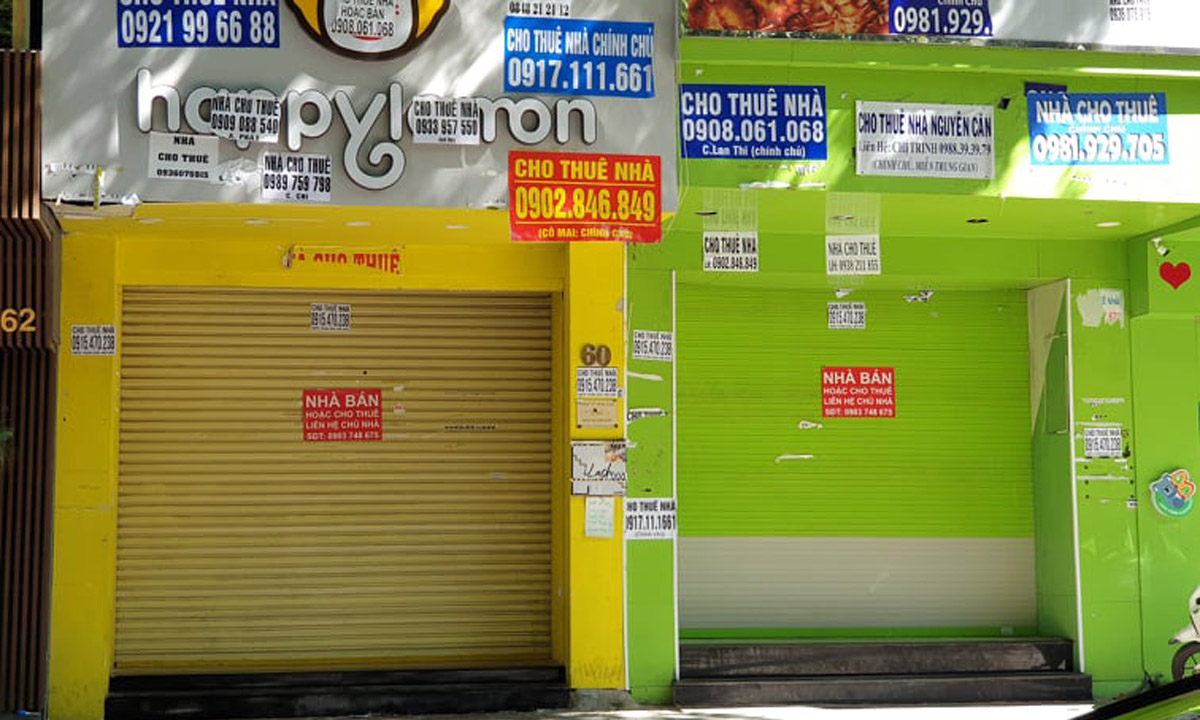
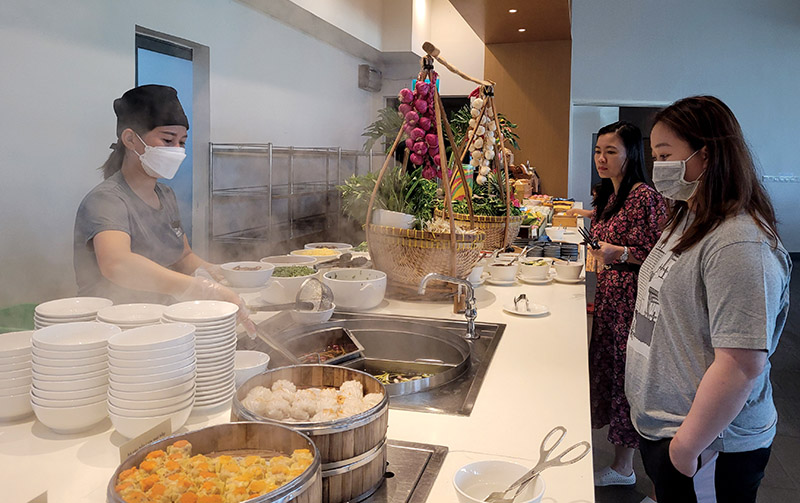
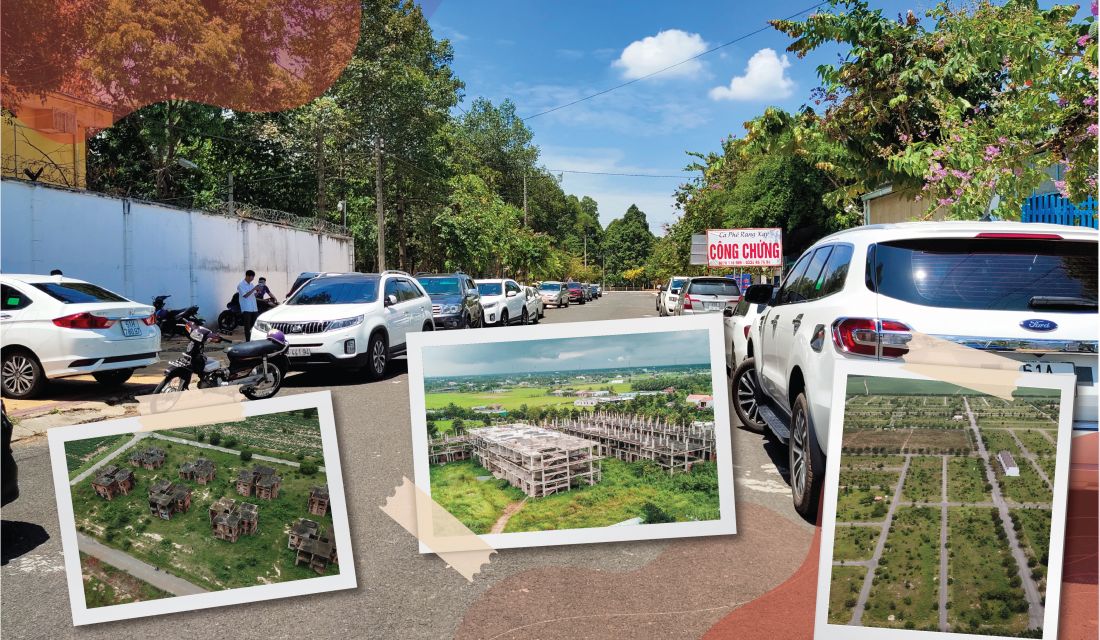
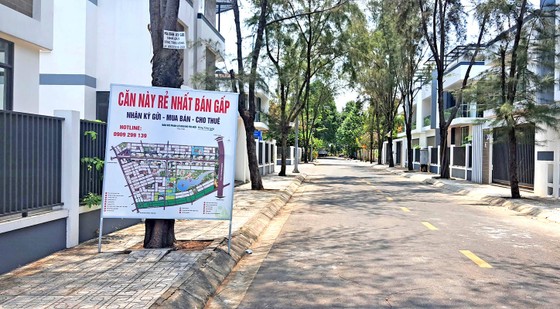
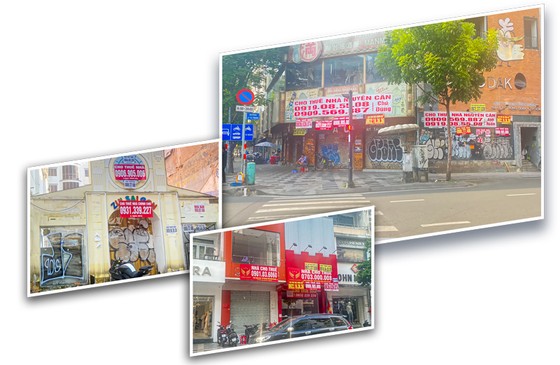
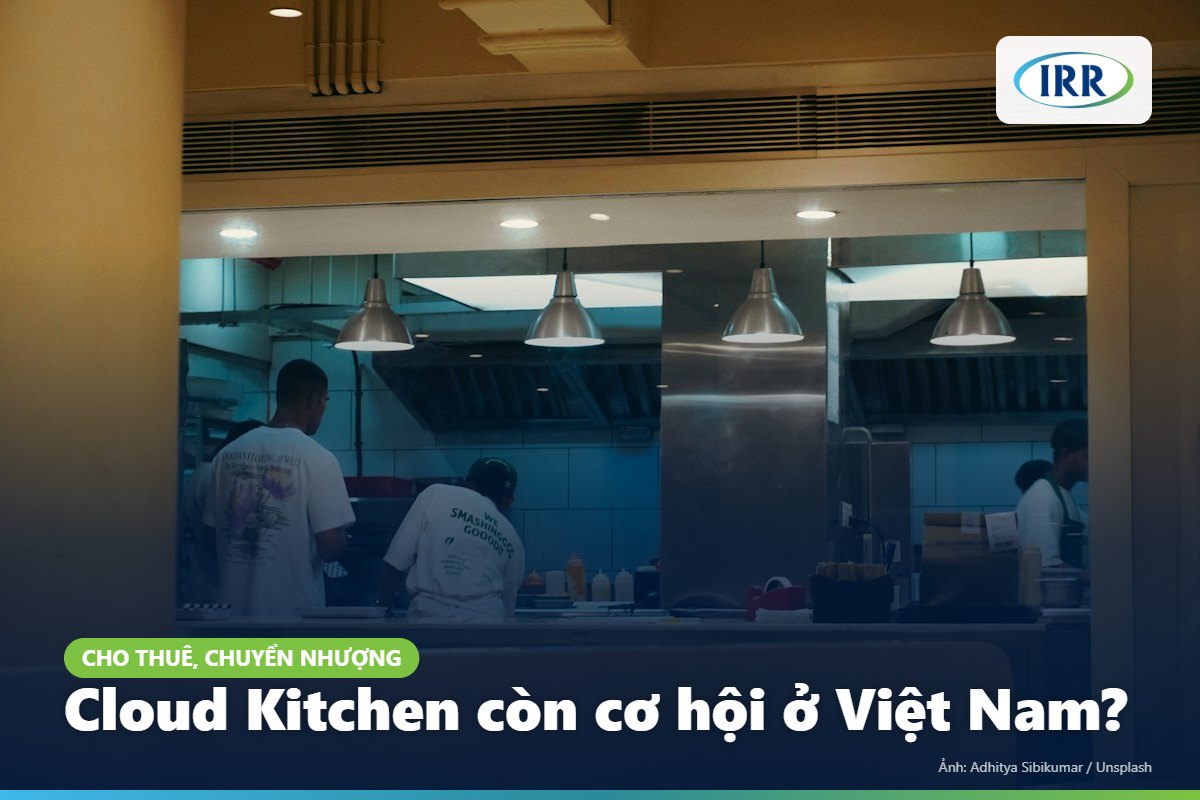
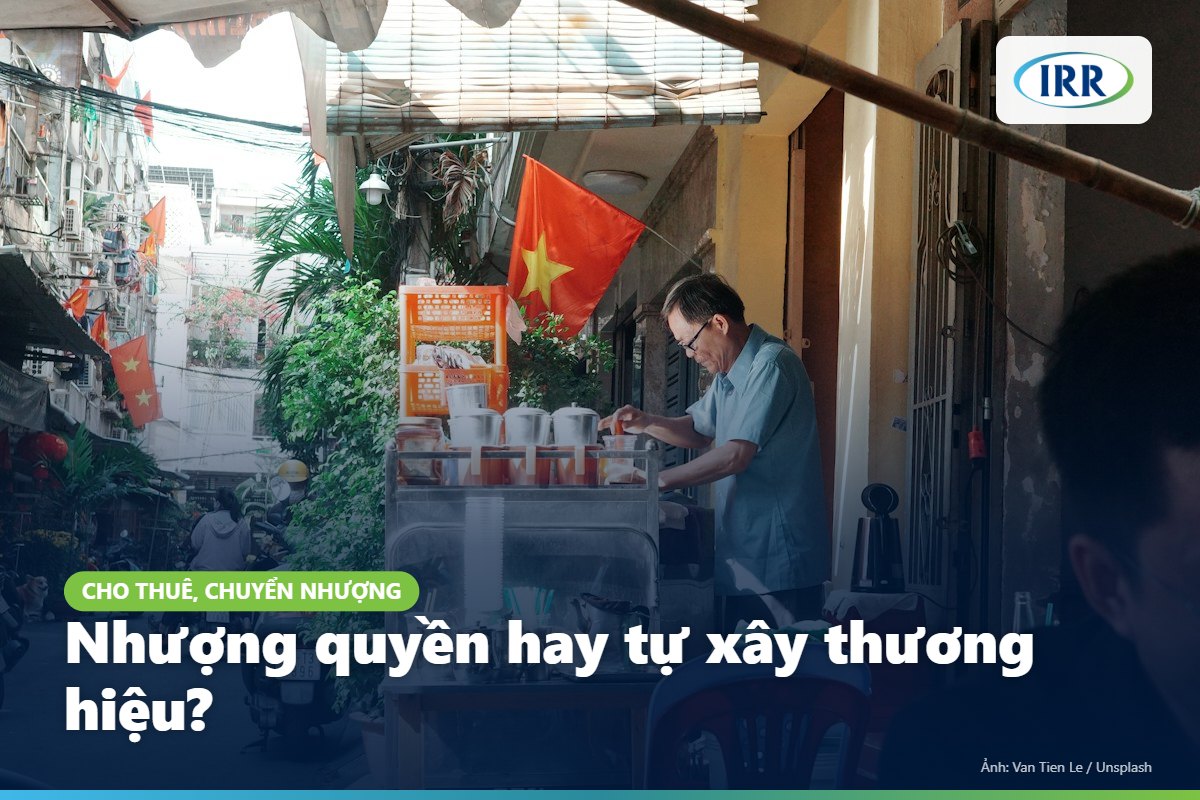
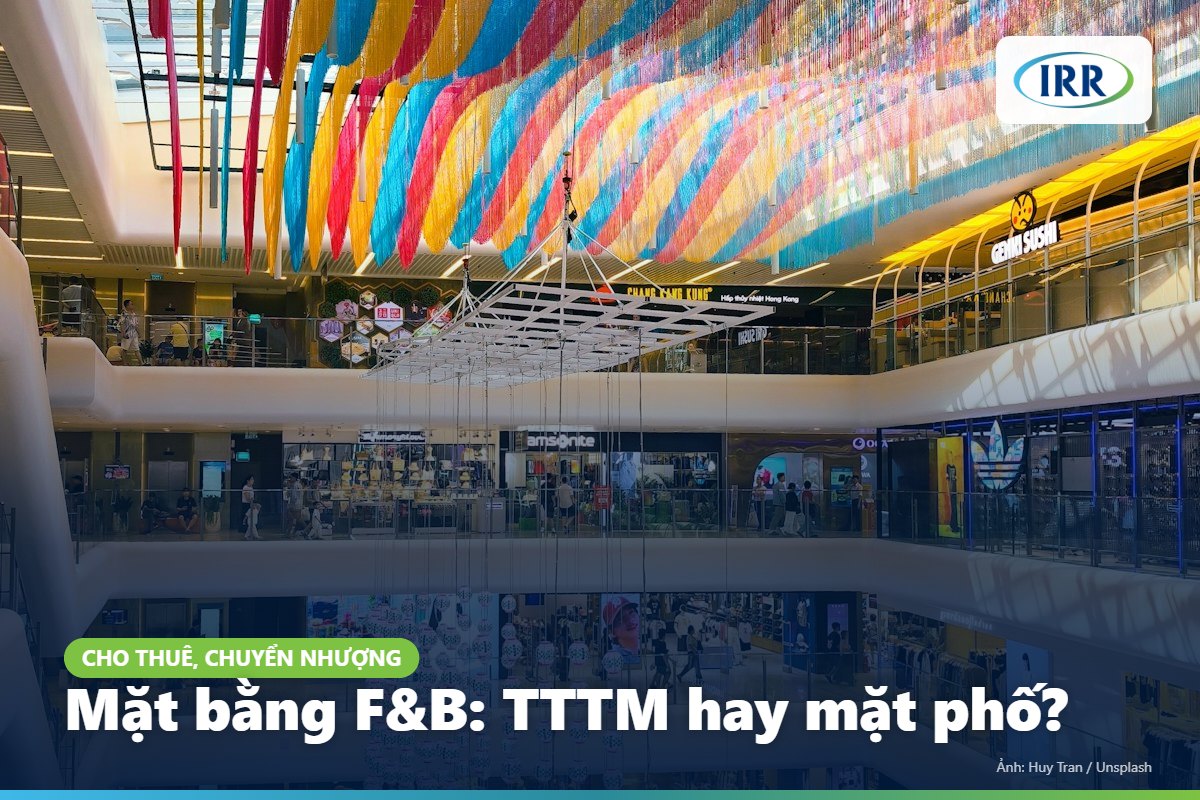
"Urgent sale: busy restaurant, loyal customers, just walk in and trade." Such listings are everywhere. Taking over an operating restaurant can save time and money, but without proper due diligence you may be buying the very problems that made the previous owner leave.
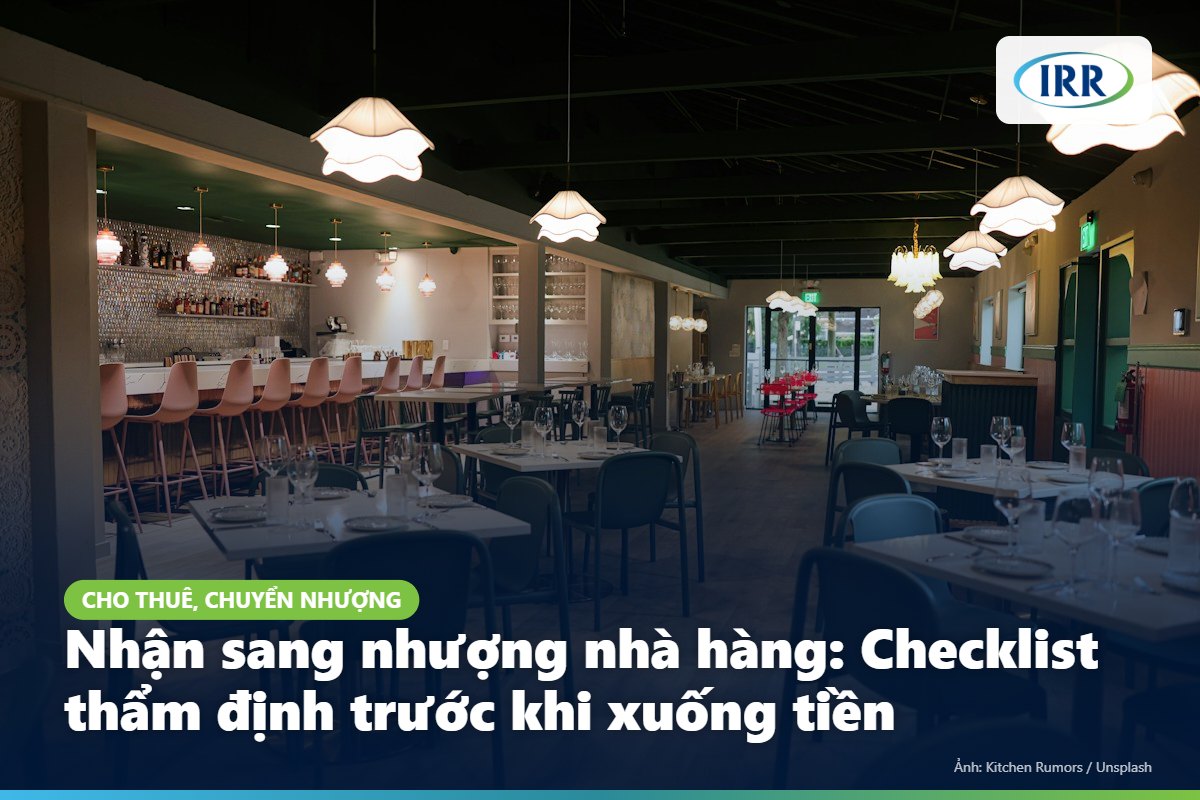
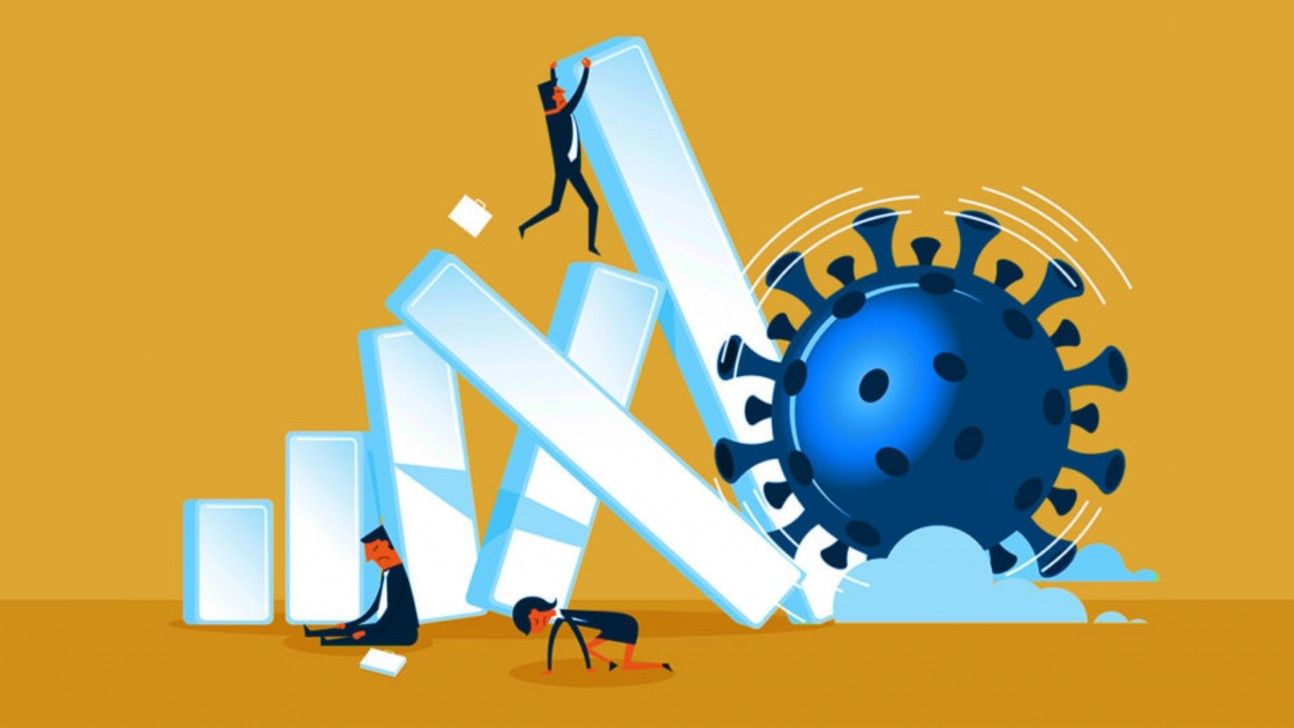
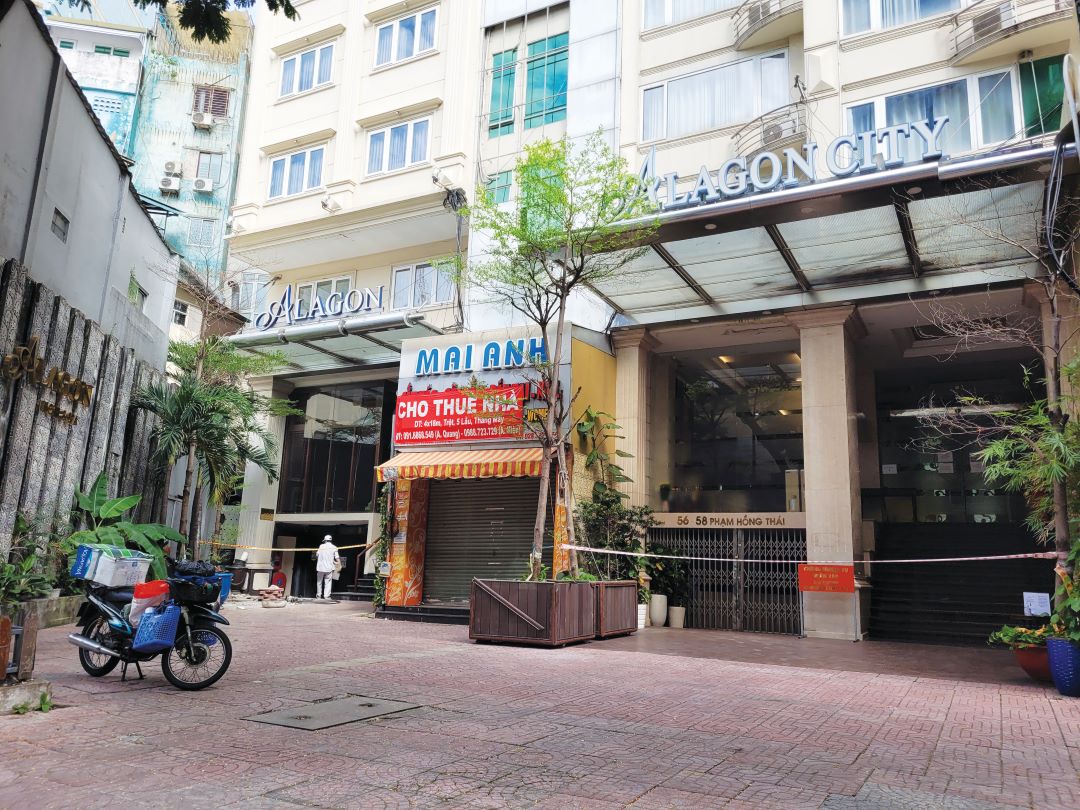
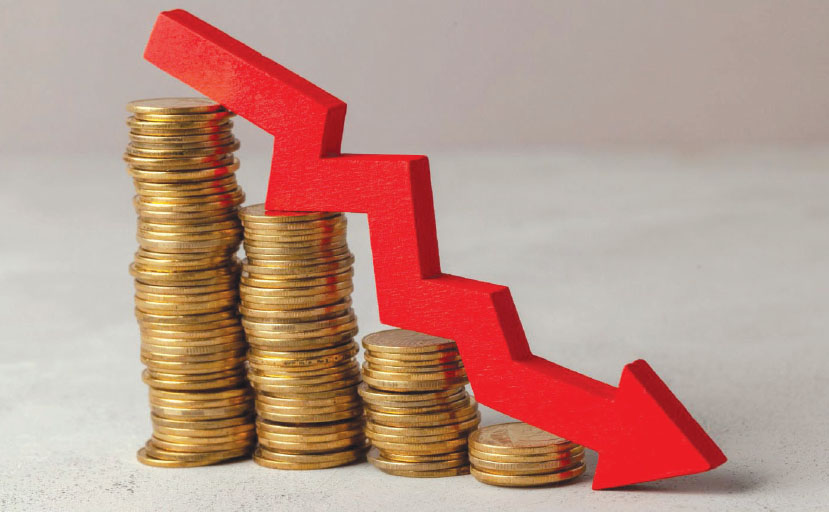
According to an iPOS.vn report cited by SGGP (Oct 2025), about 50,000 food and beverage outlets closed in Vietnam in the first half of 2025, with the total falling about 7.1% to roughly 299,900, amid rising costs, fierce competition and an "open fast, close fast" pattern. Not every sale hides a problem, but buyers should know the exact reason and verify it.
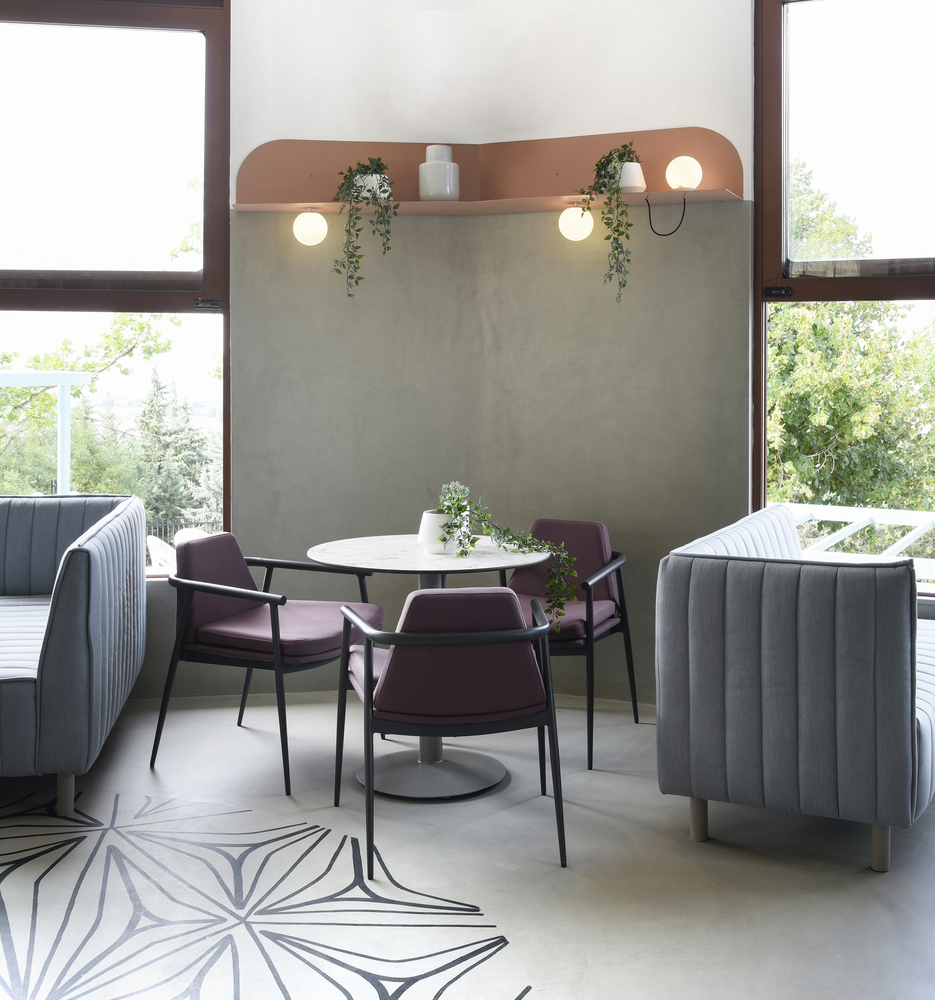
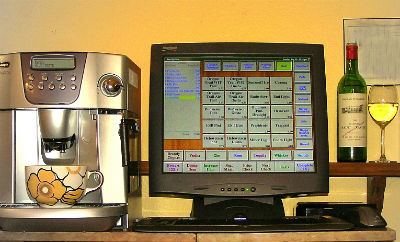
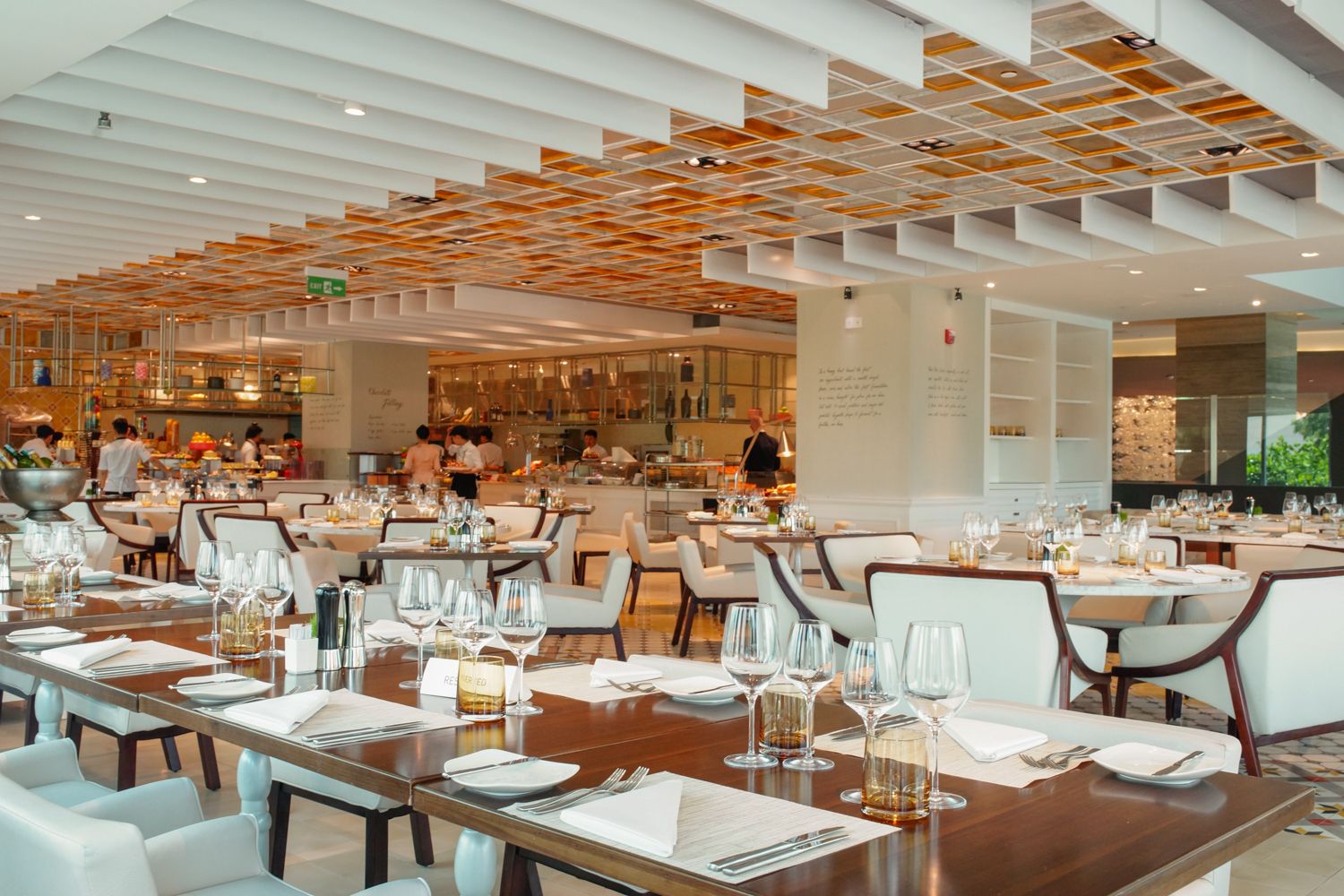
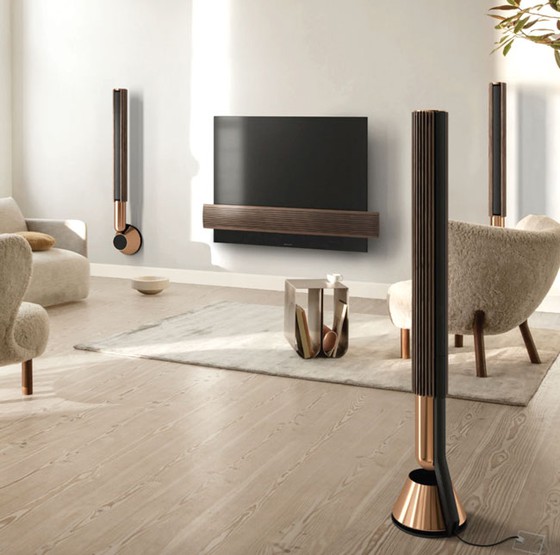
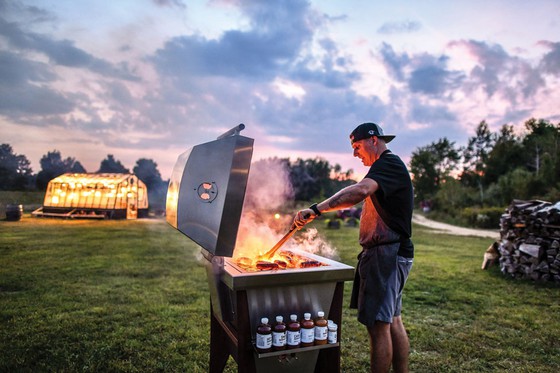
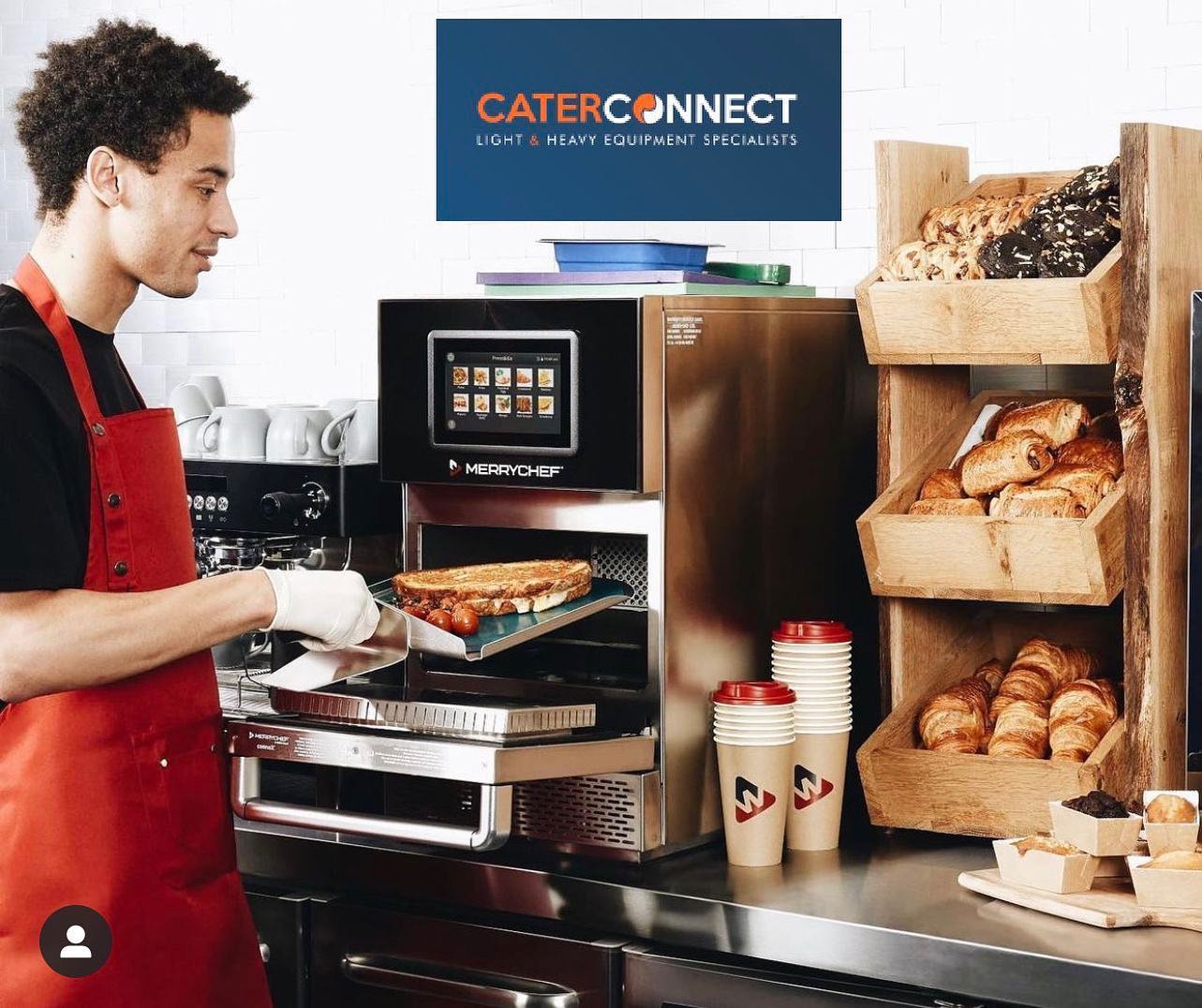
Thiết bị, nội thất đẹp chưa chắc là tài sản của người sang nhượng · Ảnh: Keghan Crossland / Unsplash
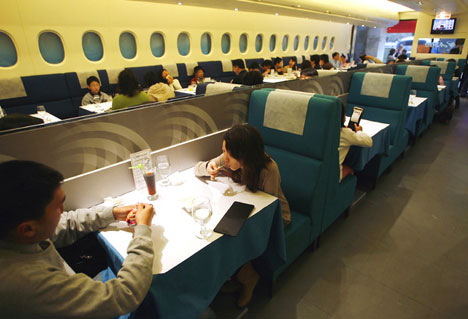
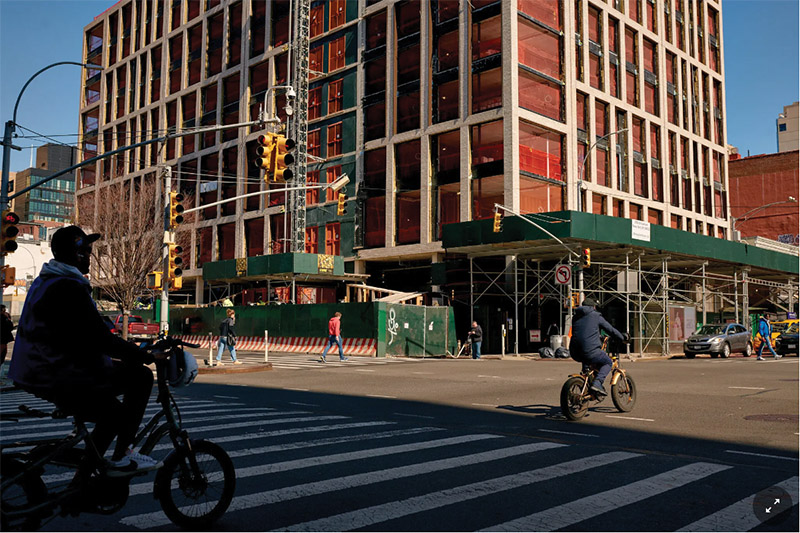
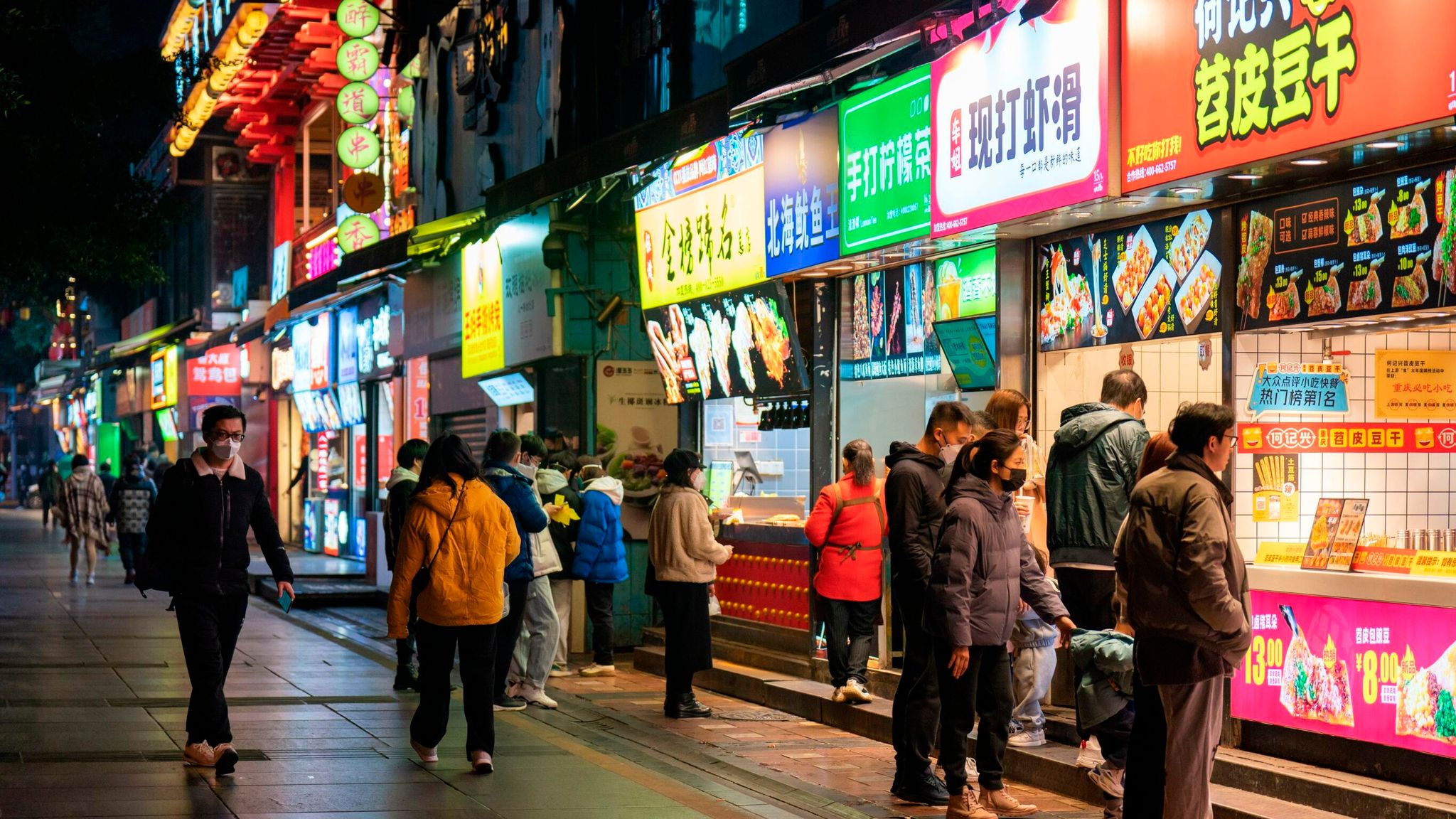
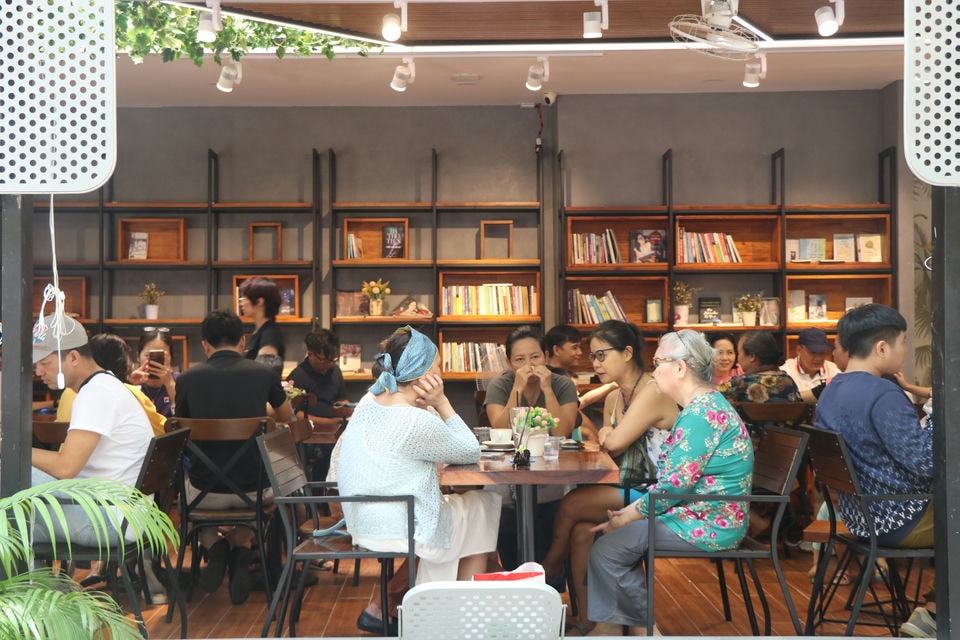
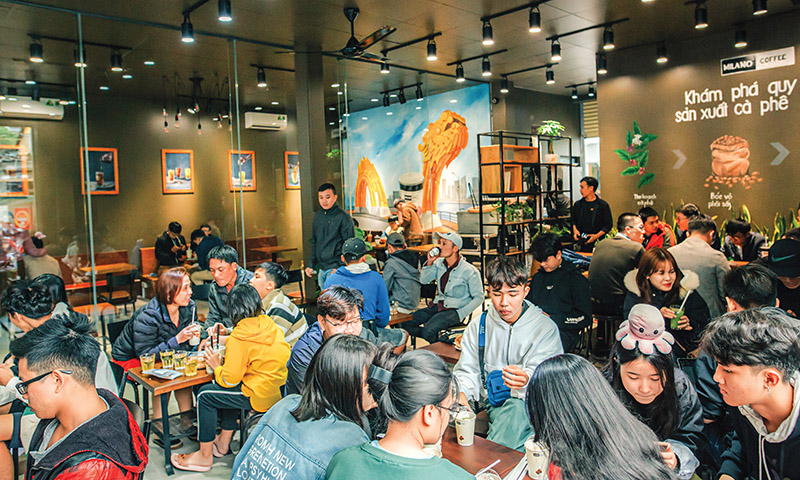
Quan sát thực tế nhiều khung giờ khác nhau trước khi tin vào báo cáo doanh thu · Ảnh: Zoshua Colah / Unsplash
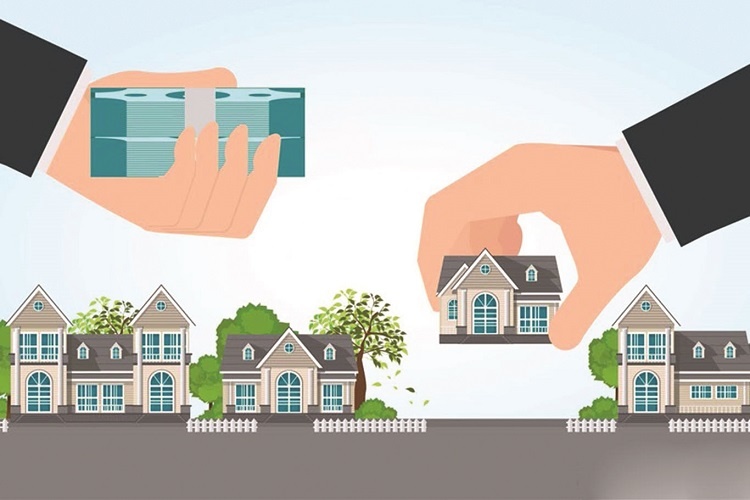
A takeover price typically covers usable assets, avoided fit-out costs and, if proven, business value. A simple test: what would it cost, in money and months, to open a comparable outlet yourself? A fair price should not exceed that unless current profits are clearly proven.
This article is management guidance, not legal advice. For significant deals, have a lawyer review the lease and transfer agreement.
IRR Group – International Recreation & Resort Management

Telephone: 0909.140.866
Email: info@irrmanagement.com.vn