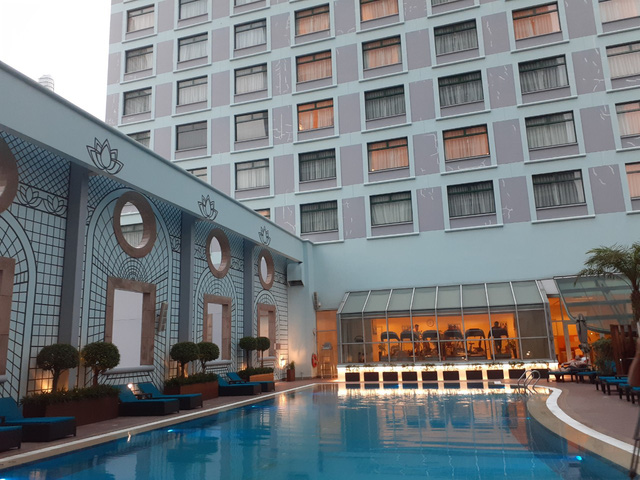
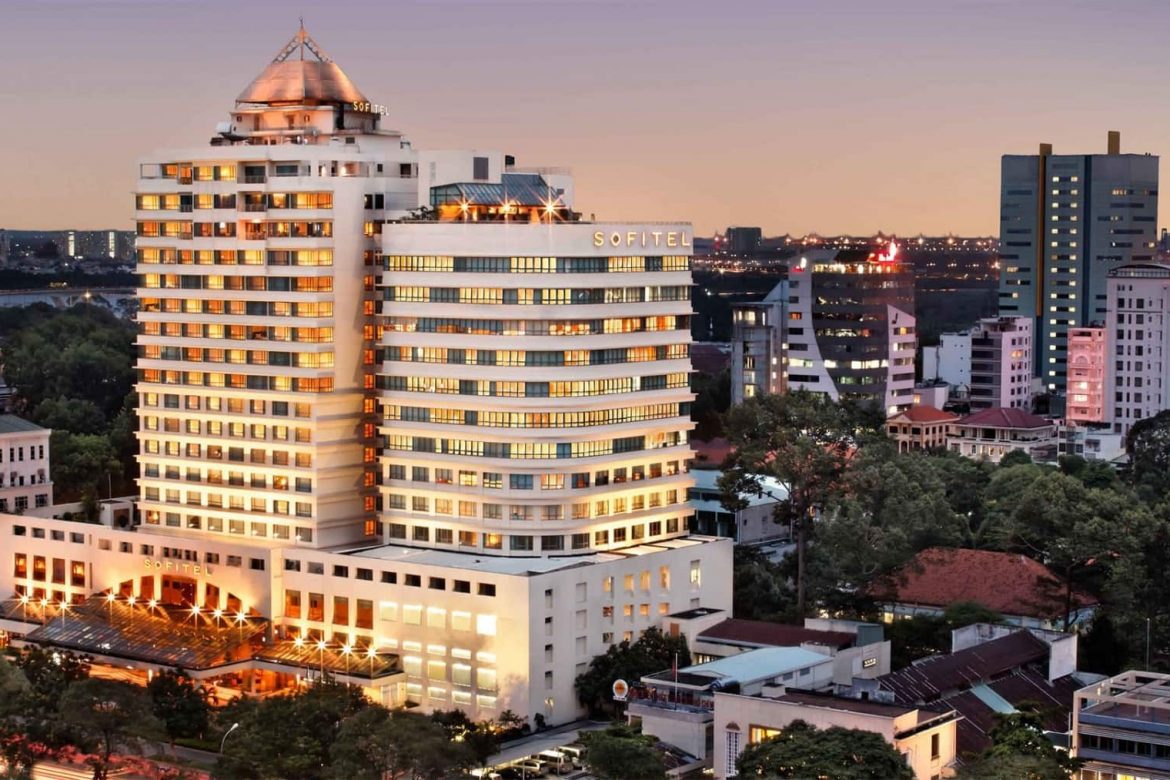
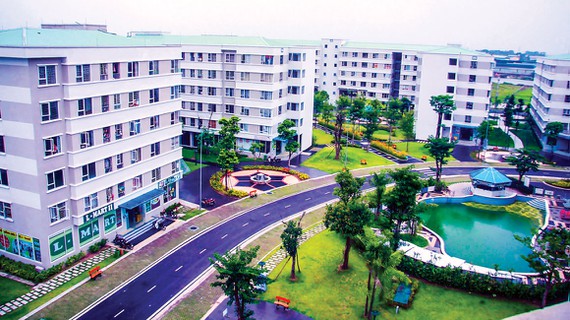
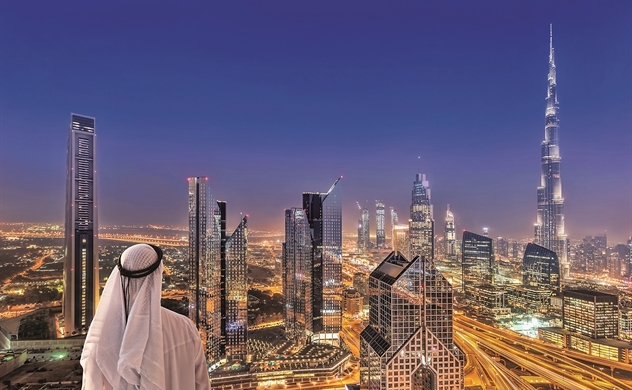
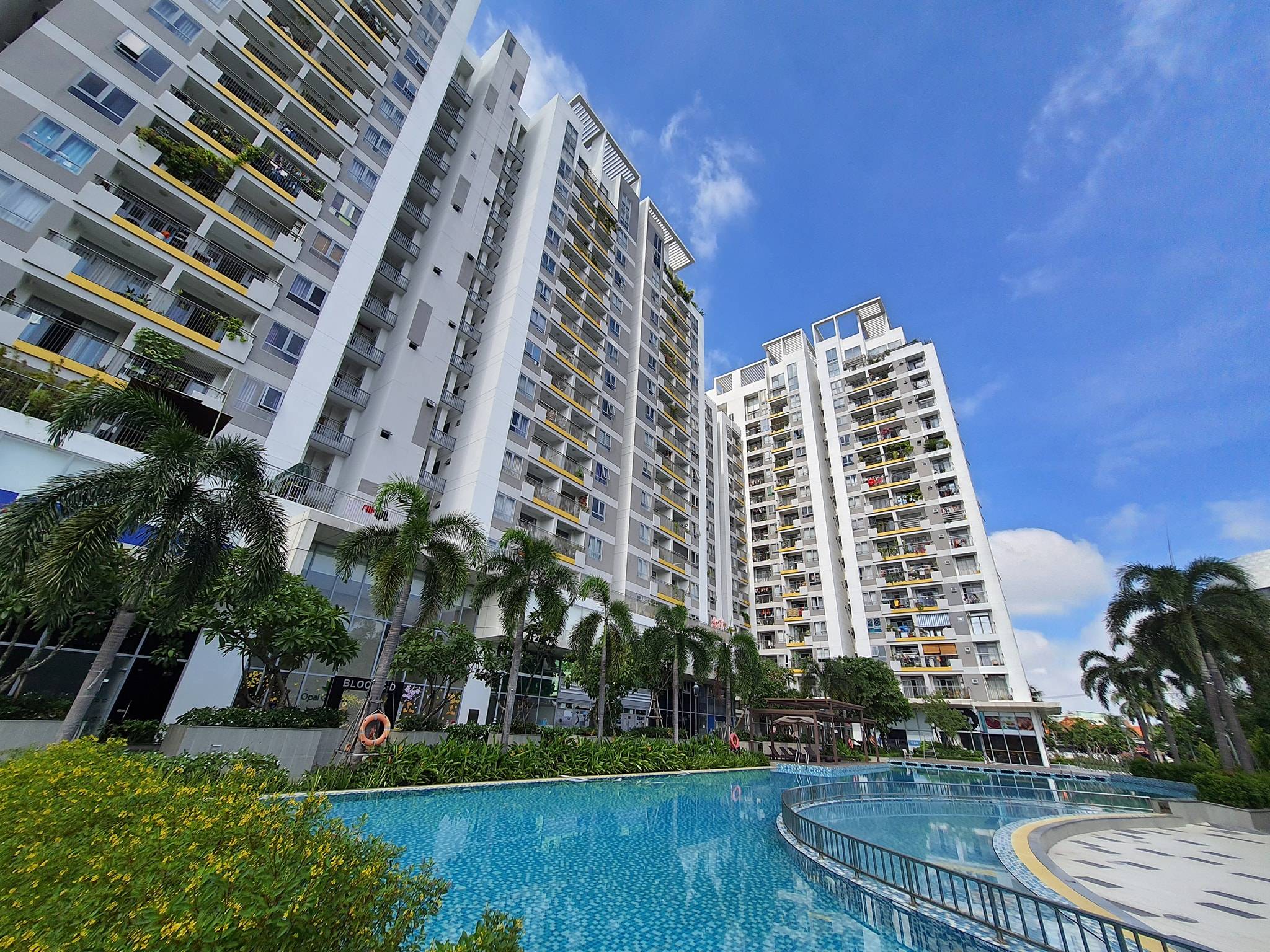
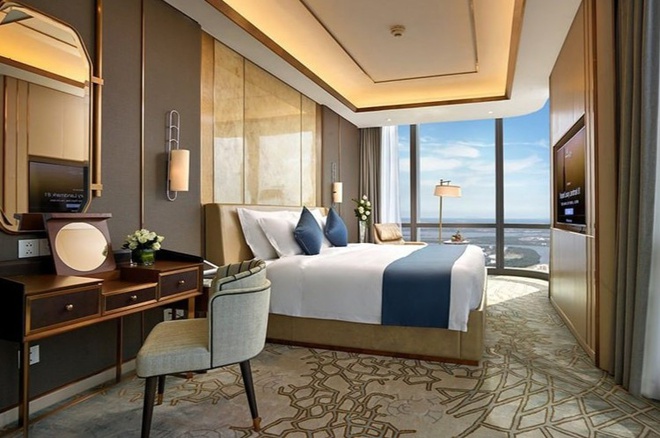
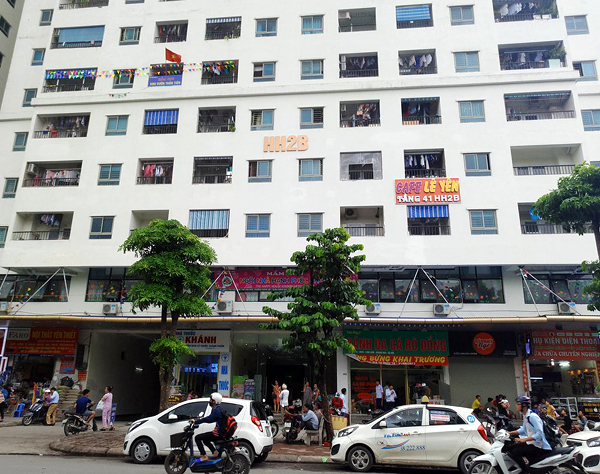
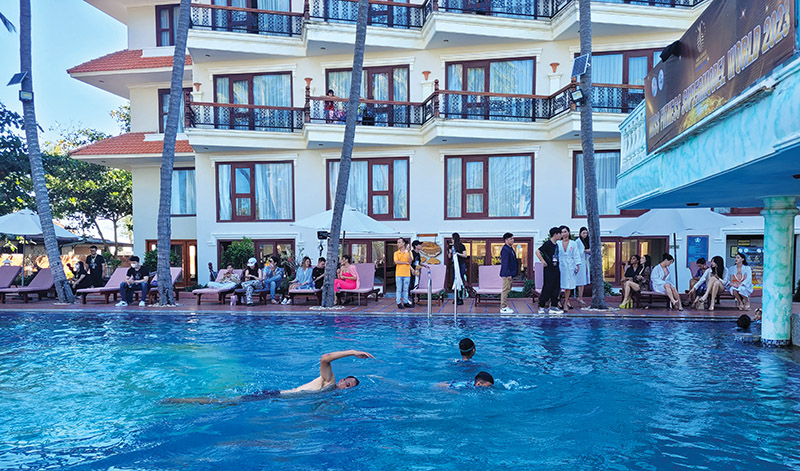
Guests tell 3-, 4- and 5-star hotels apart by the lobby, room size or the pool. For operators, the biggest difference is behind the scenes: the number of departments, standard operating procedures, staff language skills and the capability of managers.
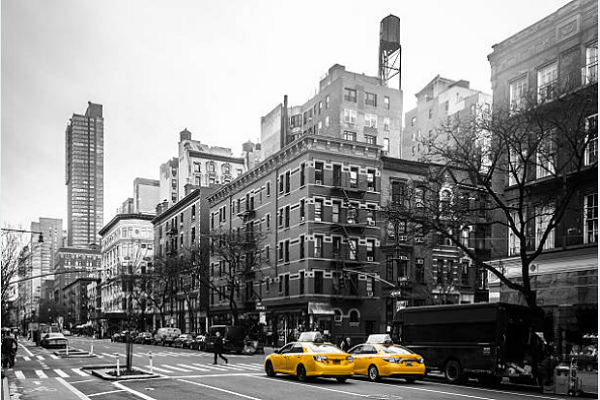
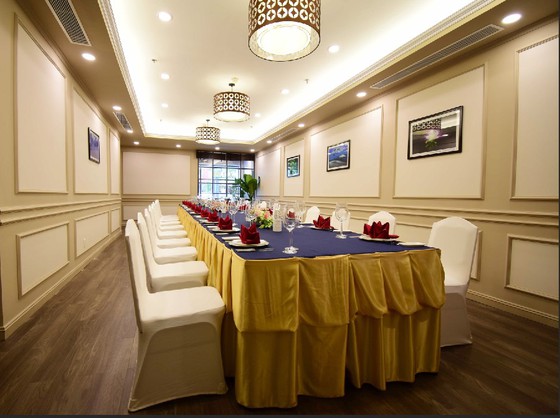
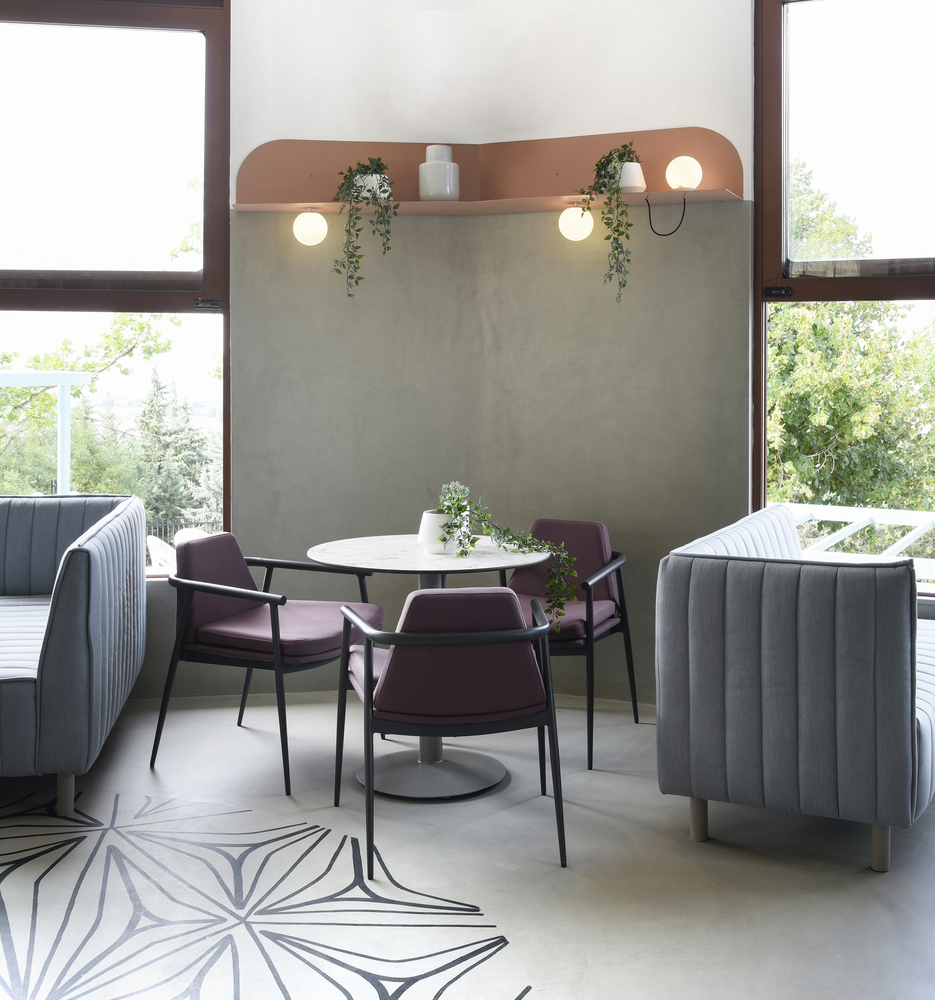
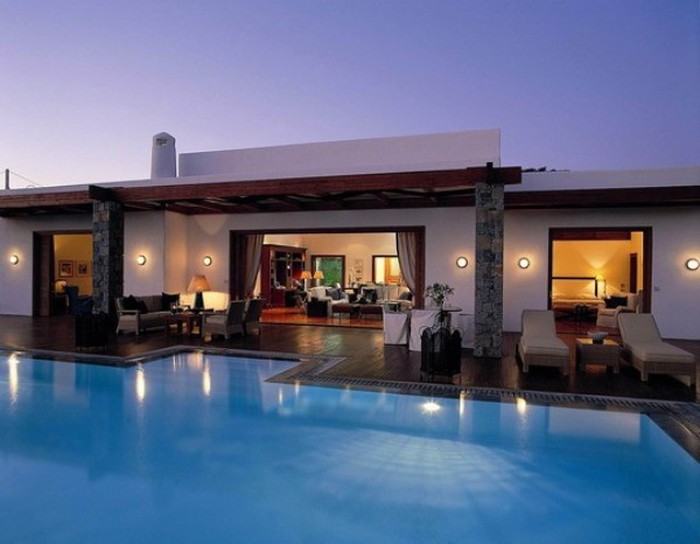
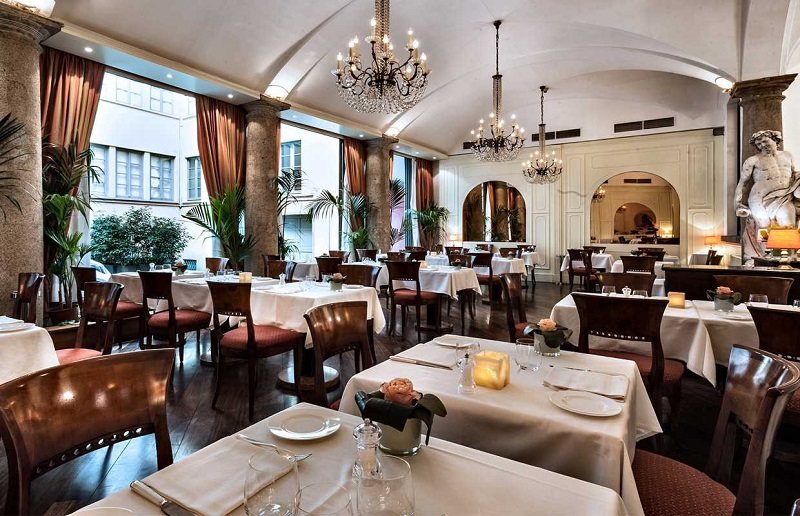
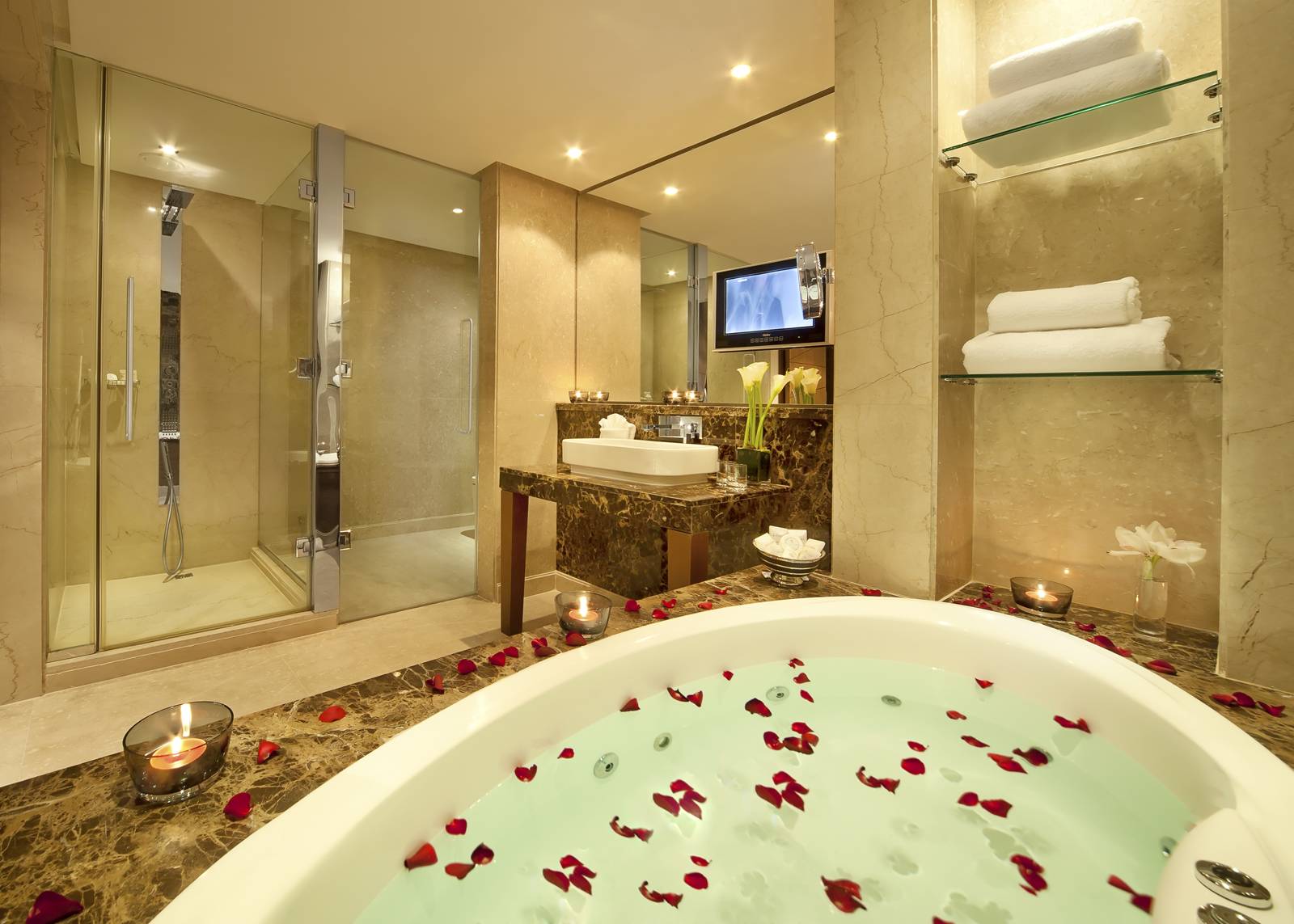
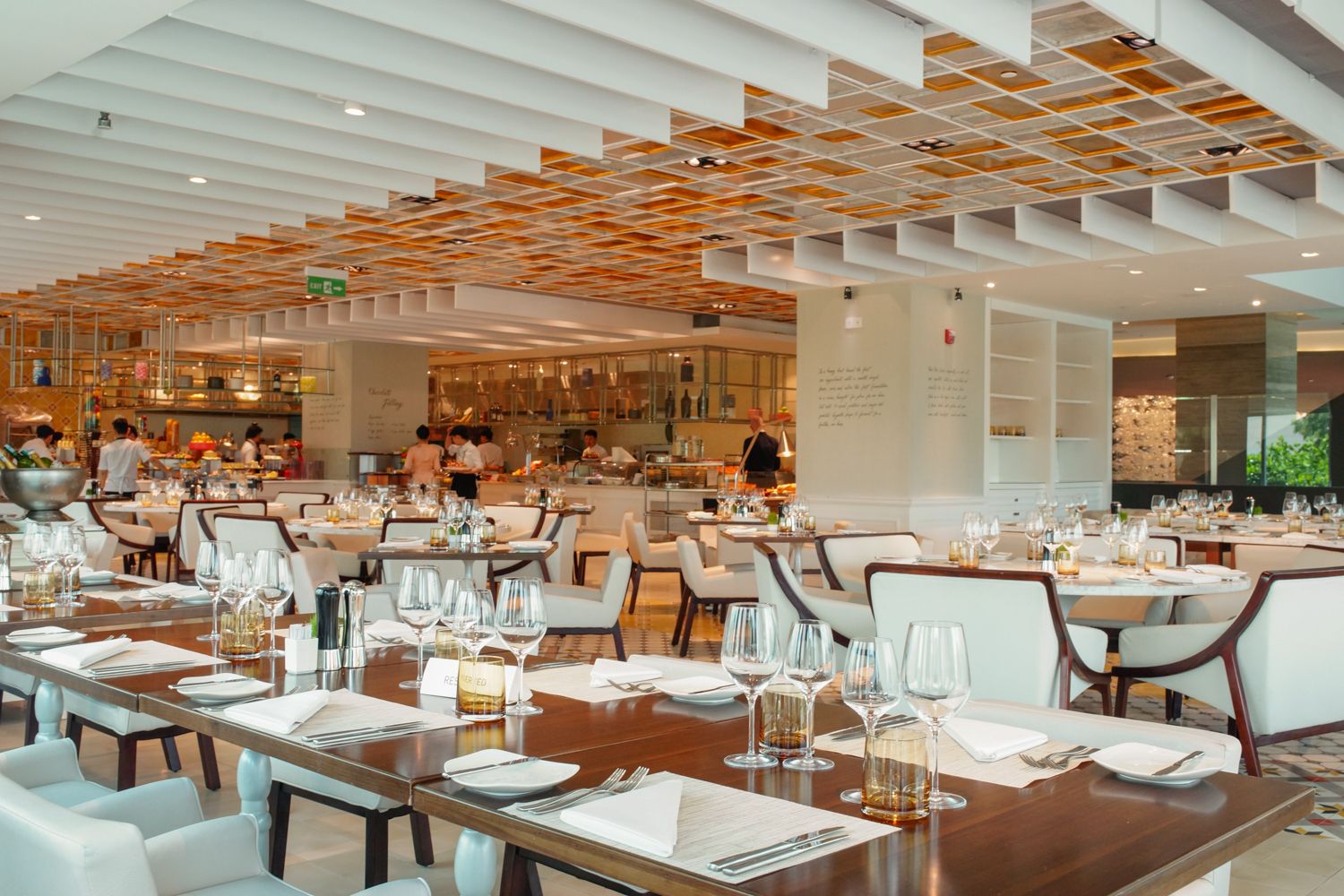
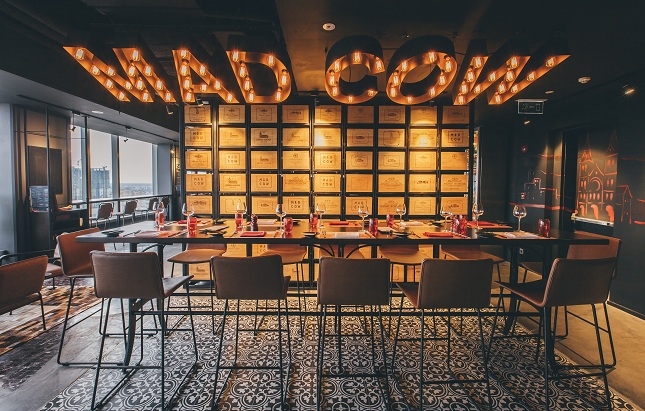
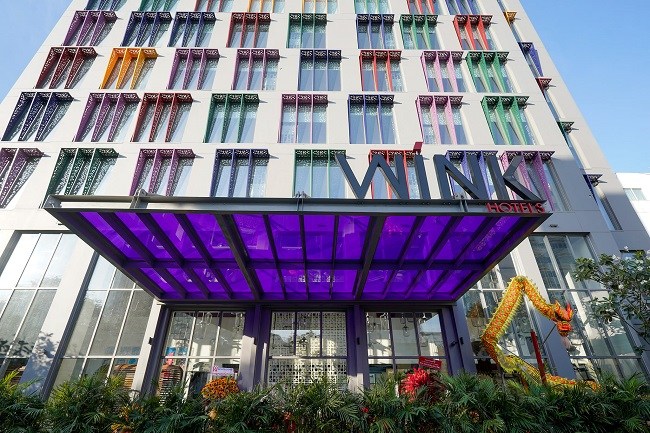
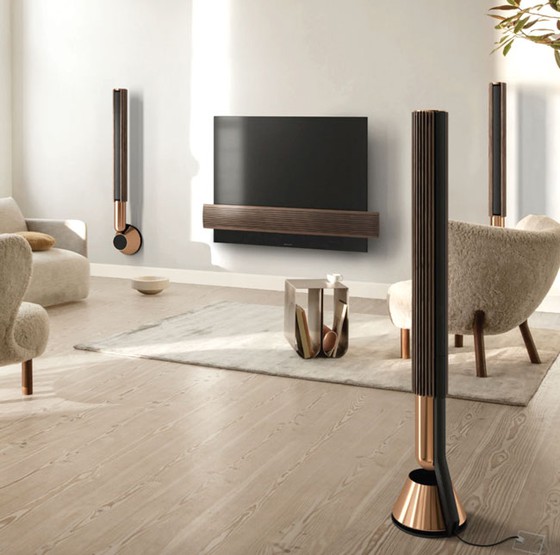
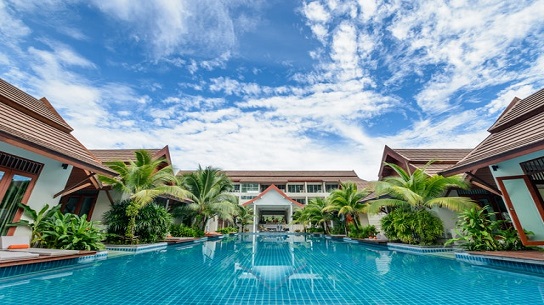
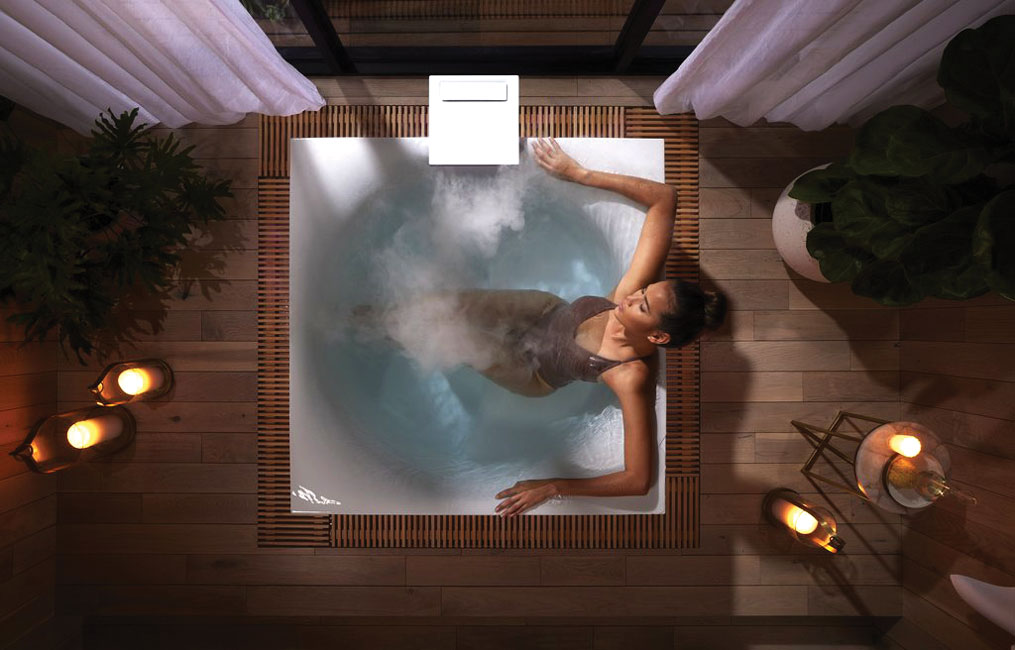
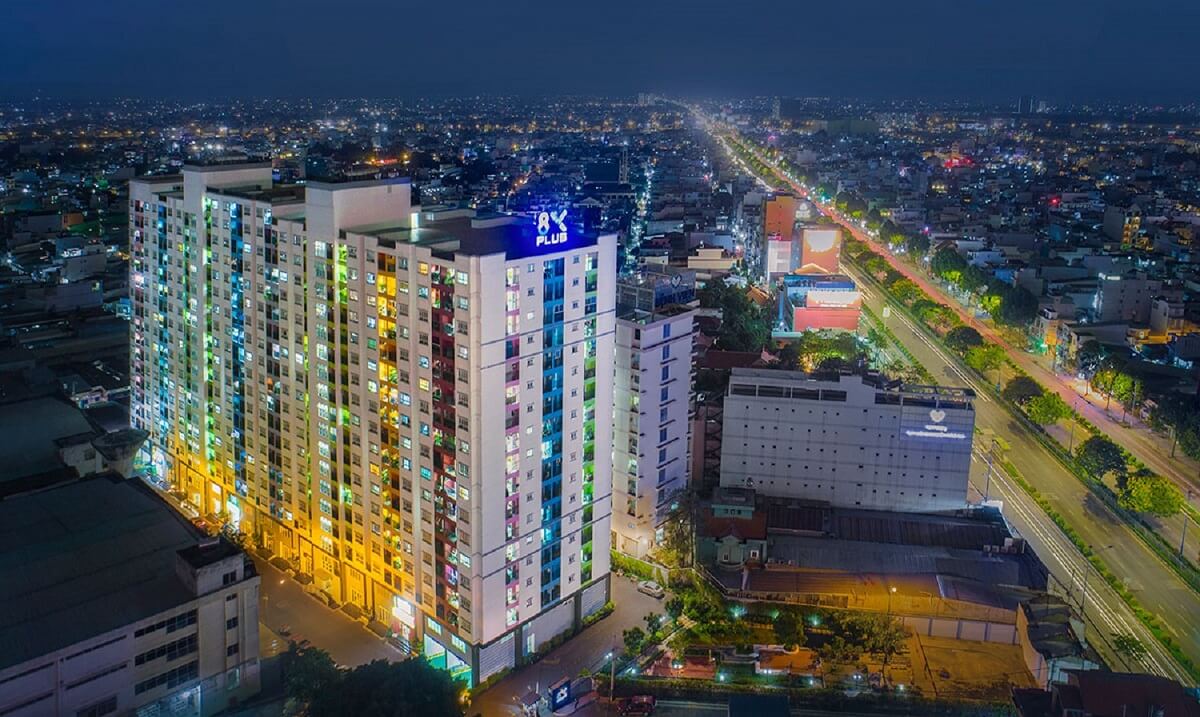
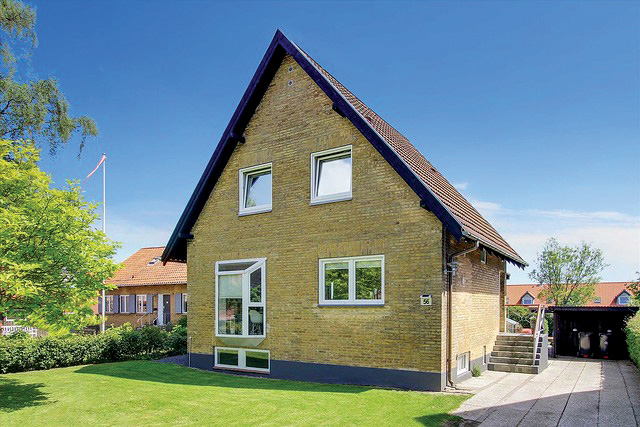
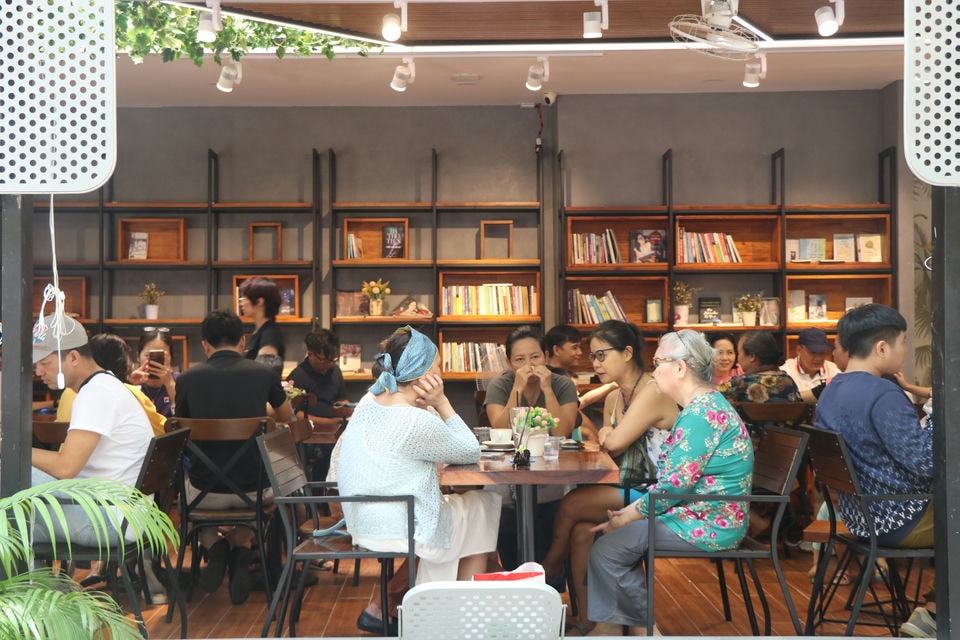
Diện tích phòng chỉ là phần nhìn thấy của tiêu chuẩn · Ảnh: Point3D Commercial Imaging Ltd. / Unsplash
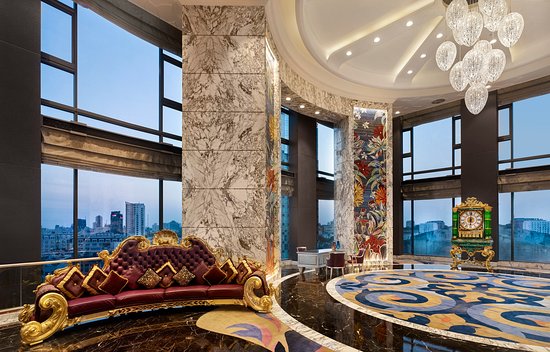
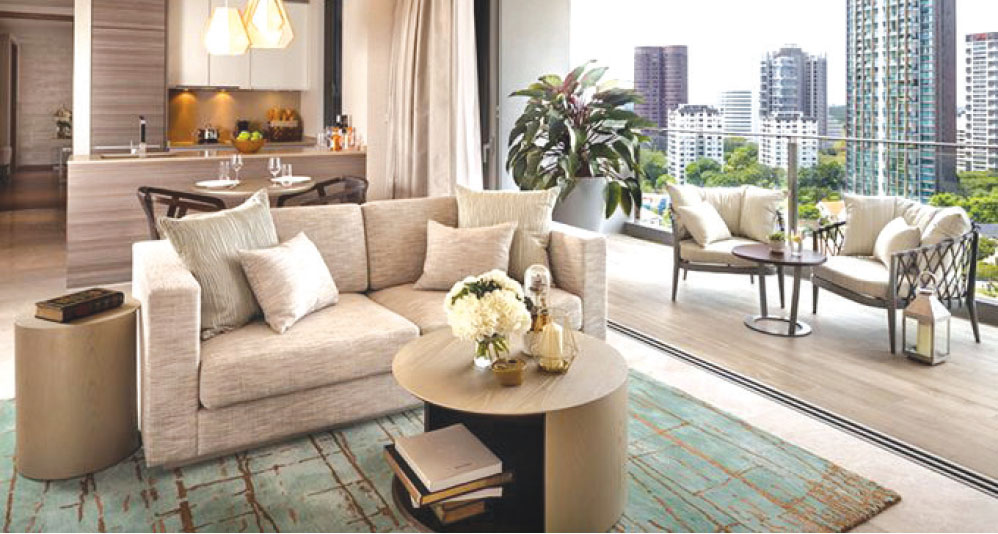
Vietnamese hotels are classified under TCVN 4391:2015. According to a VTC News summary (September 2026), minimum double-room sizes are 22 m² (3-star), 25 m² (4-star) and 32 m² (5-star); lobbies 35, 60 and 100 m²; 3-star hotels need at least one restaurant and one bar, 4-star at least two of each, and 5-star adds a lobby bar. Required staff foreign-language level rises from level 3 to level 4. A 5-star hotel must meet 296 mandatory criteria and at least 80% of 71 recommended ones. These are press summaries; project teams should check the original standard.
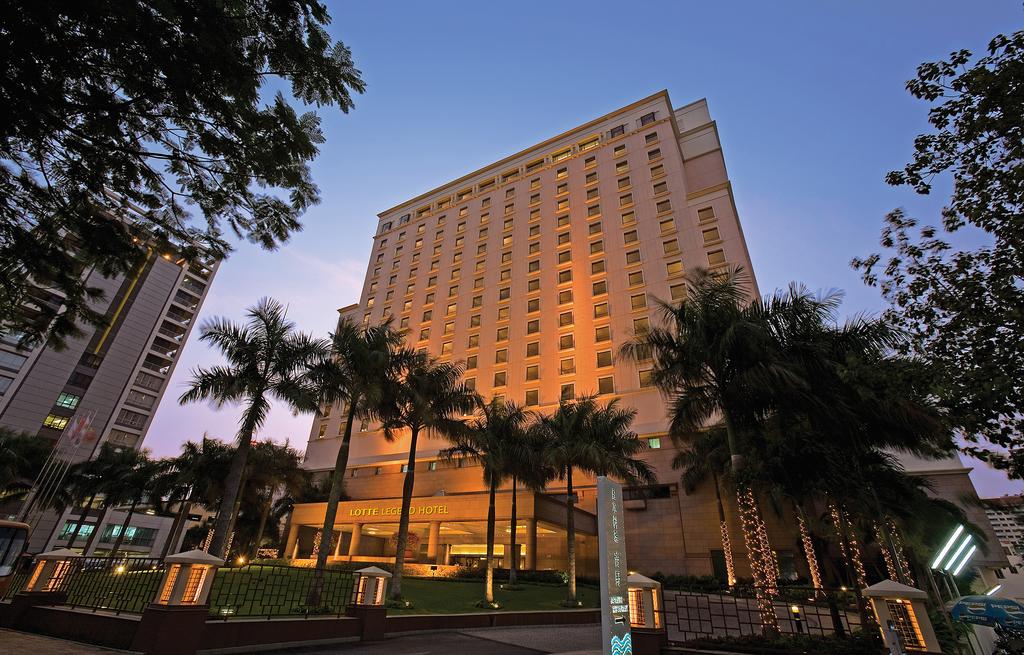
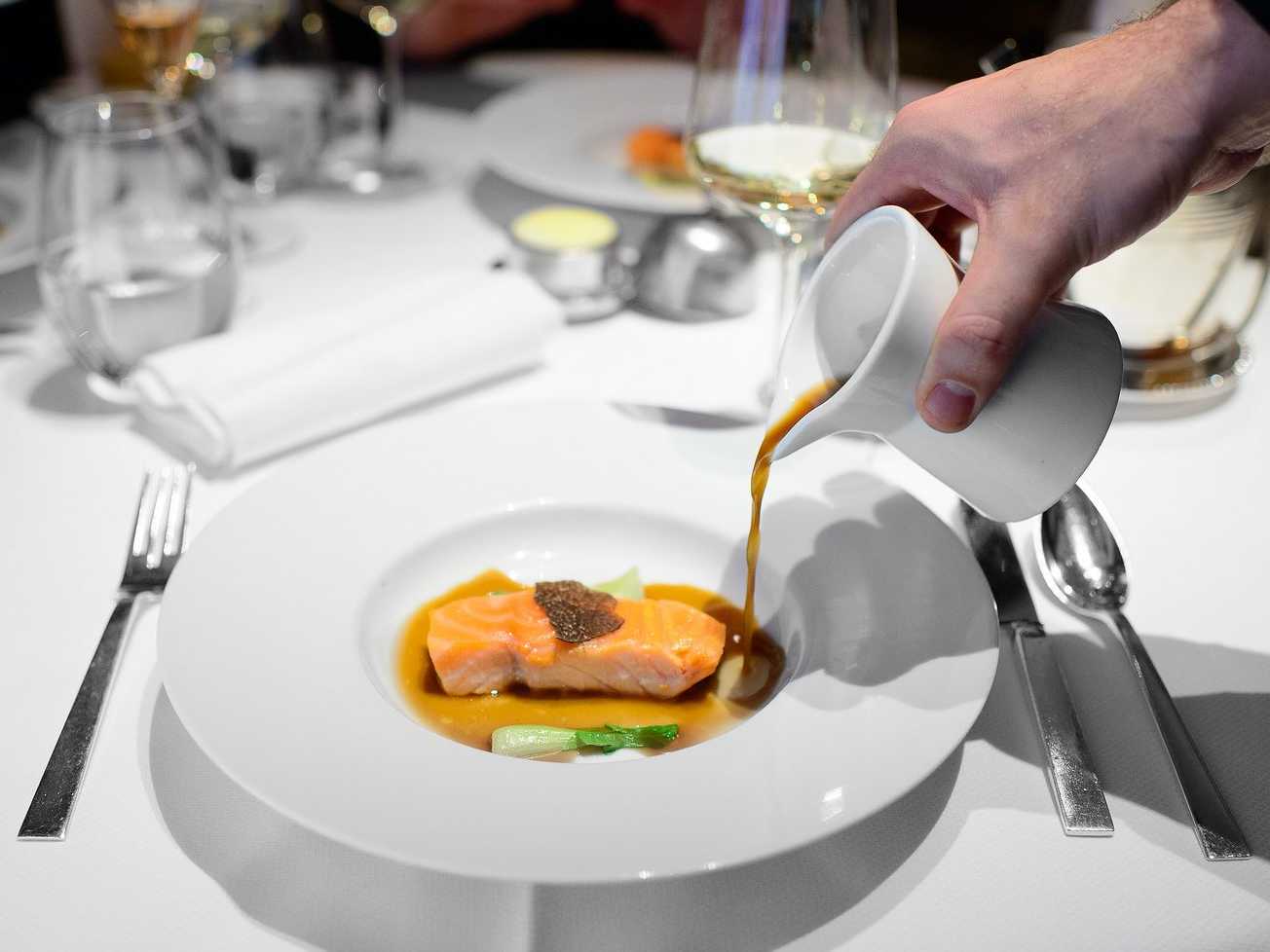
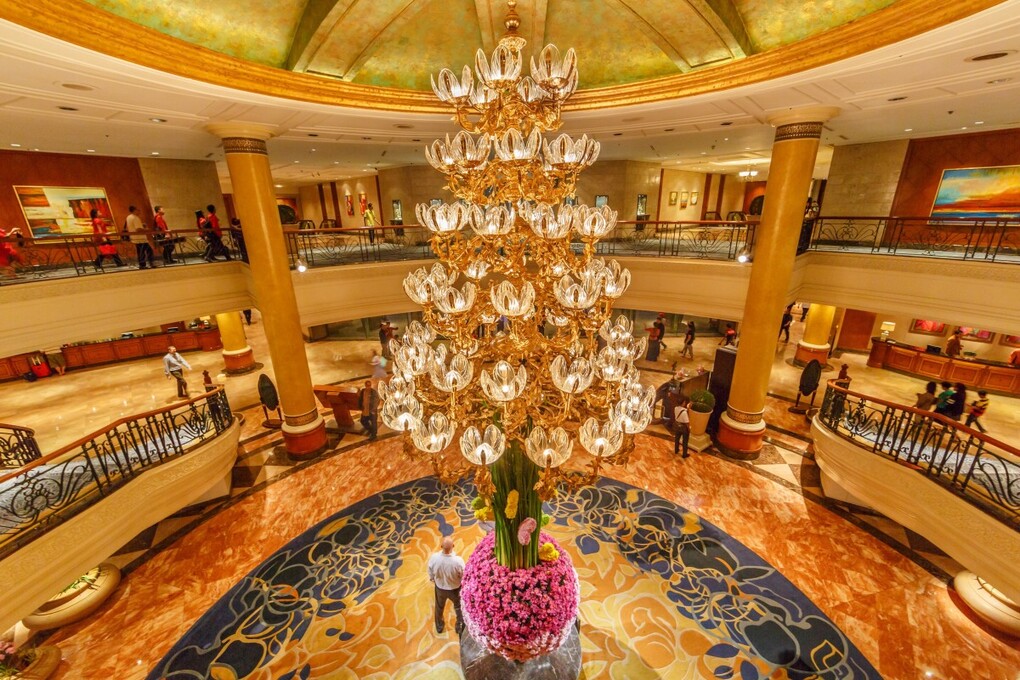
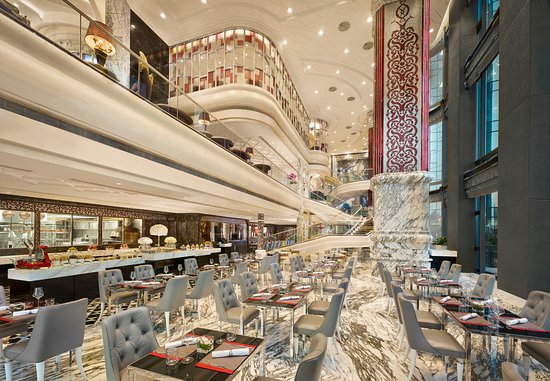
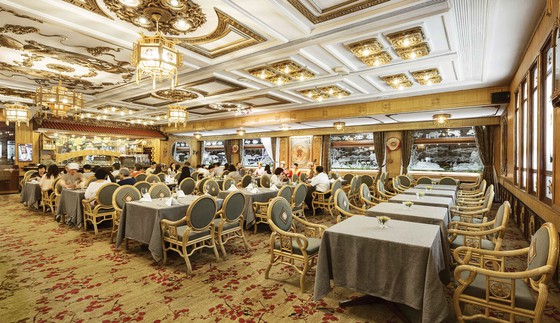
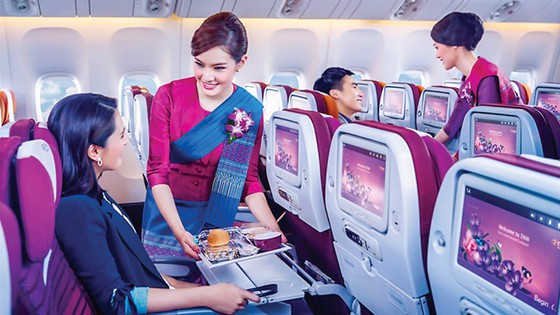
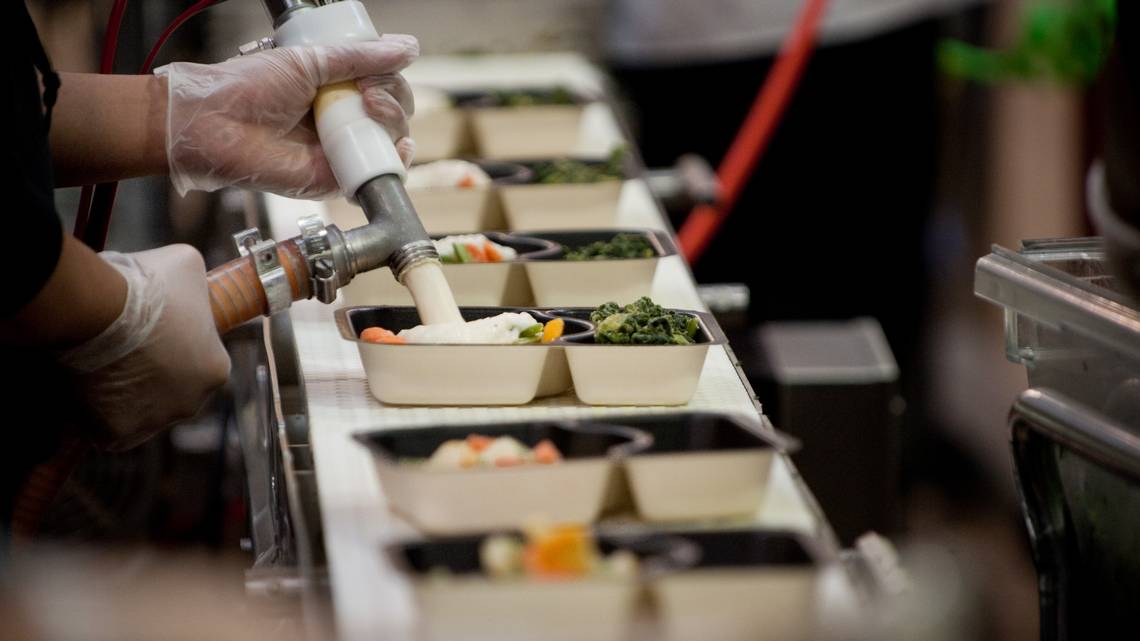
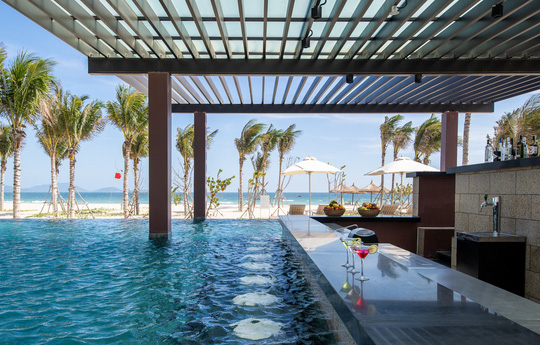
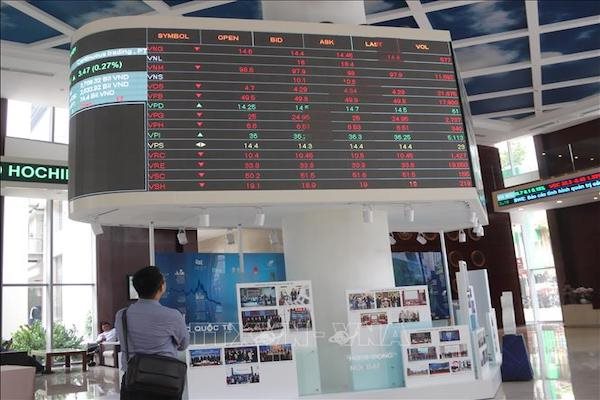
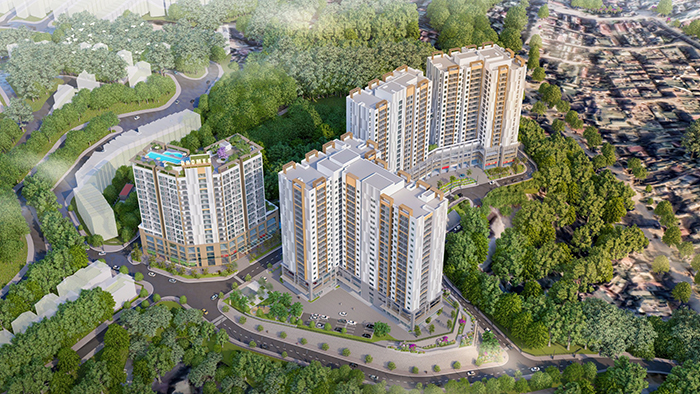
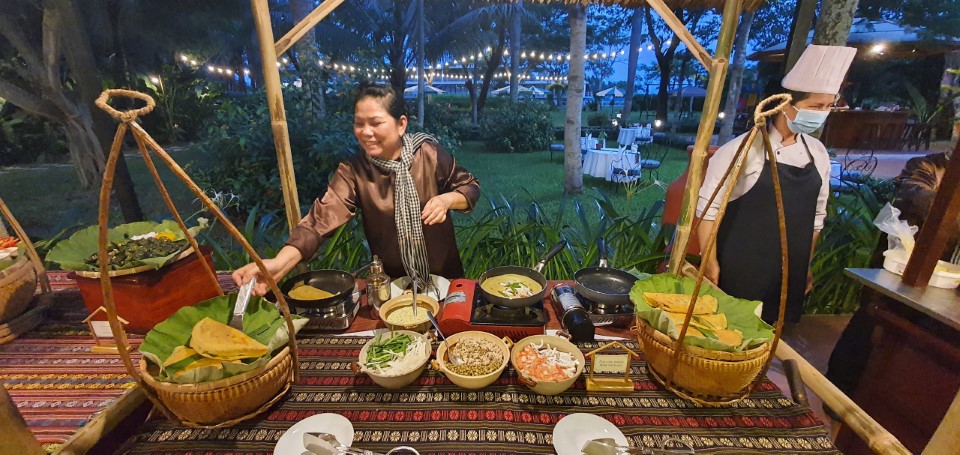
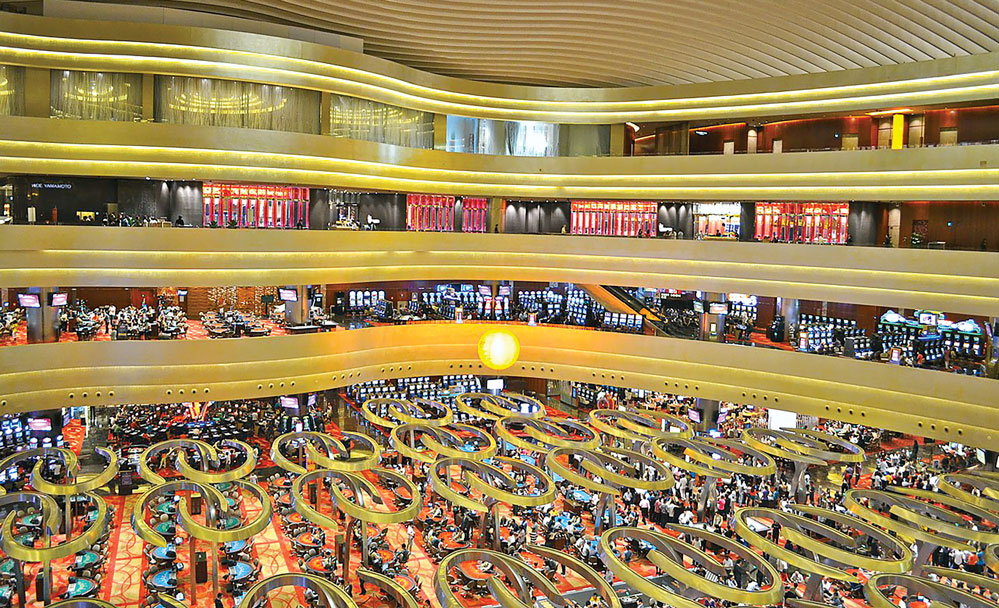
Phân khúc cao cấp đòi hỏi hệ thống vận hành nhiều tầng · Ảnh: Aalo Lens / Unsplash
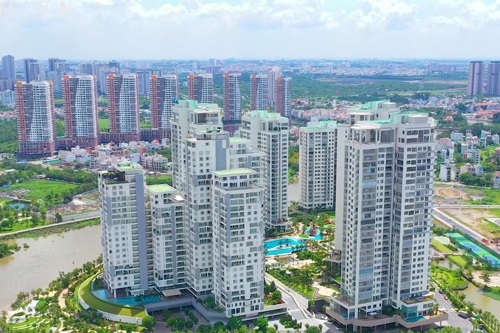
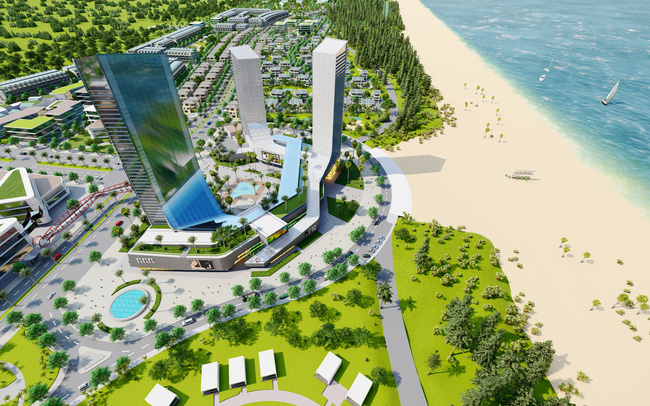
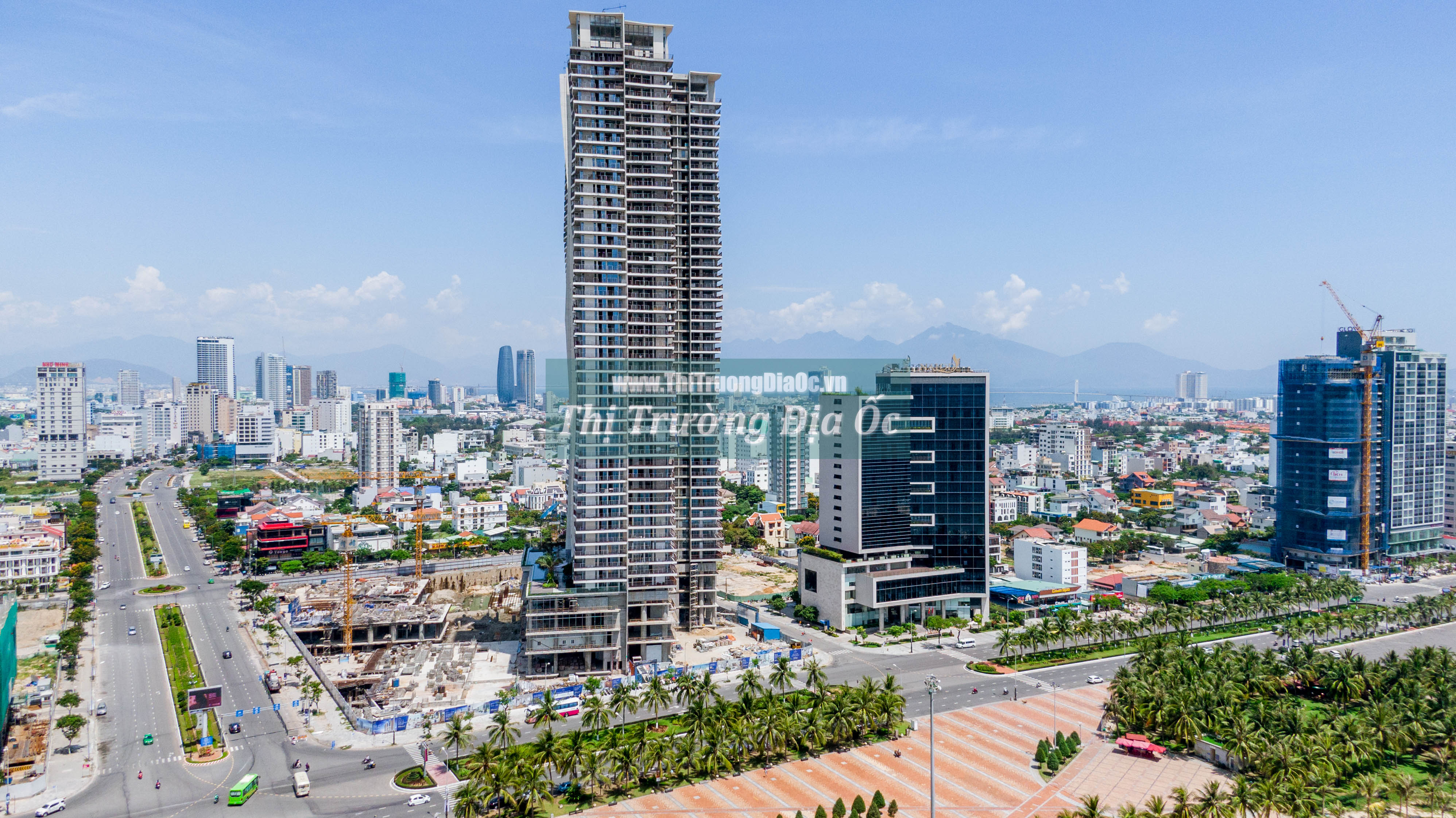
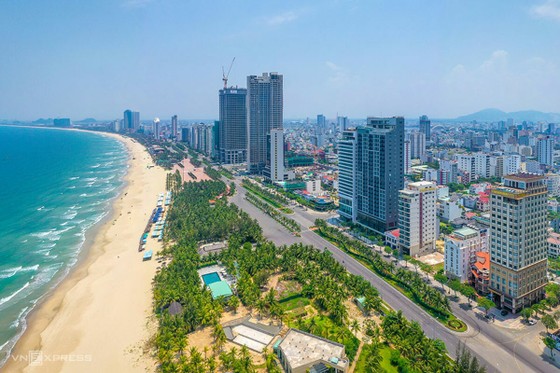
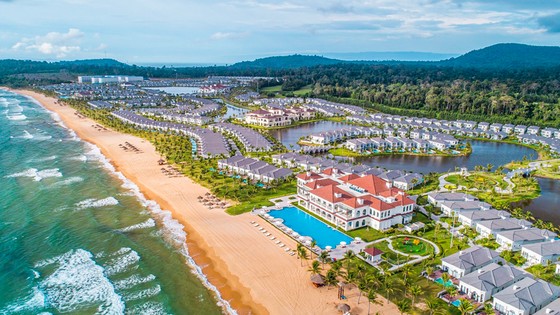
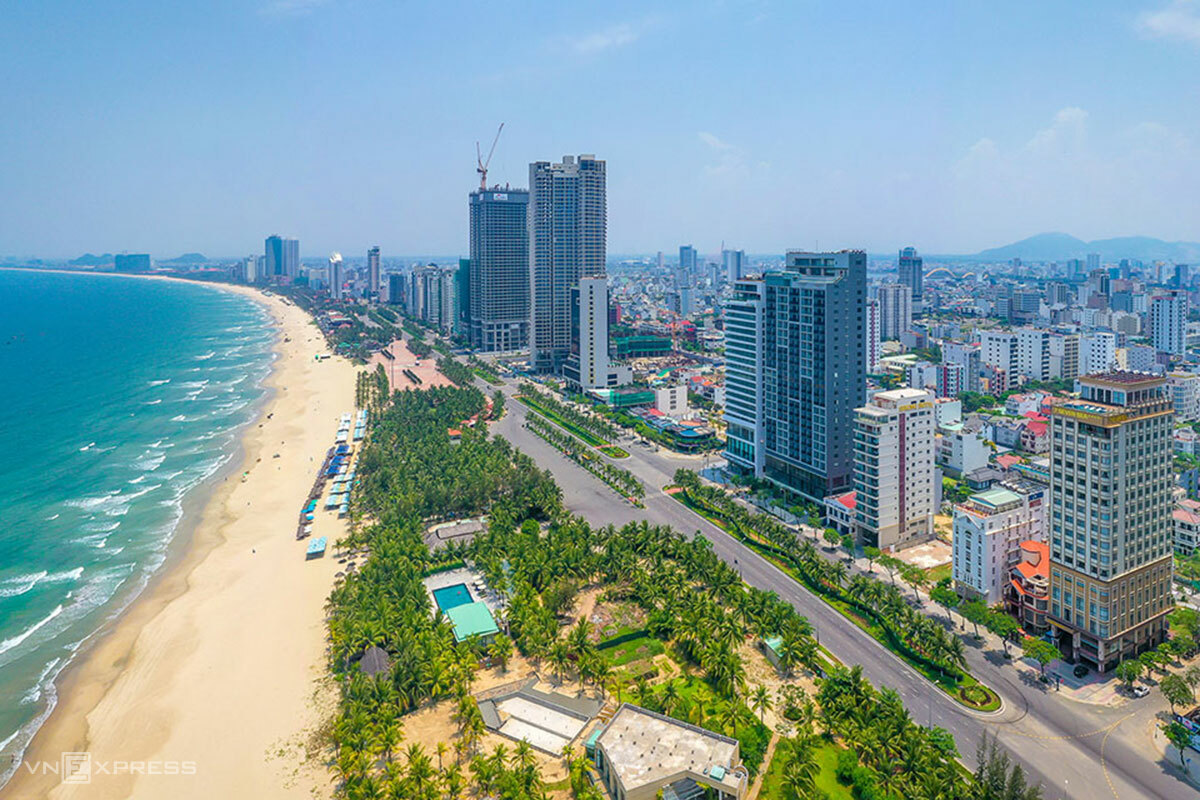
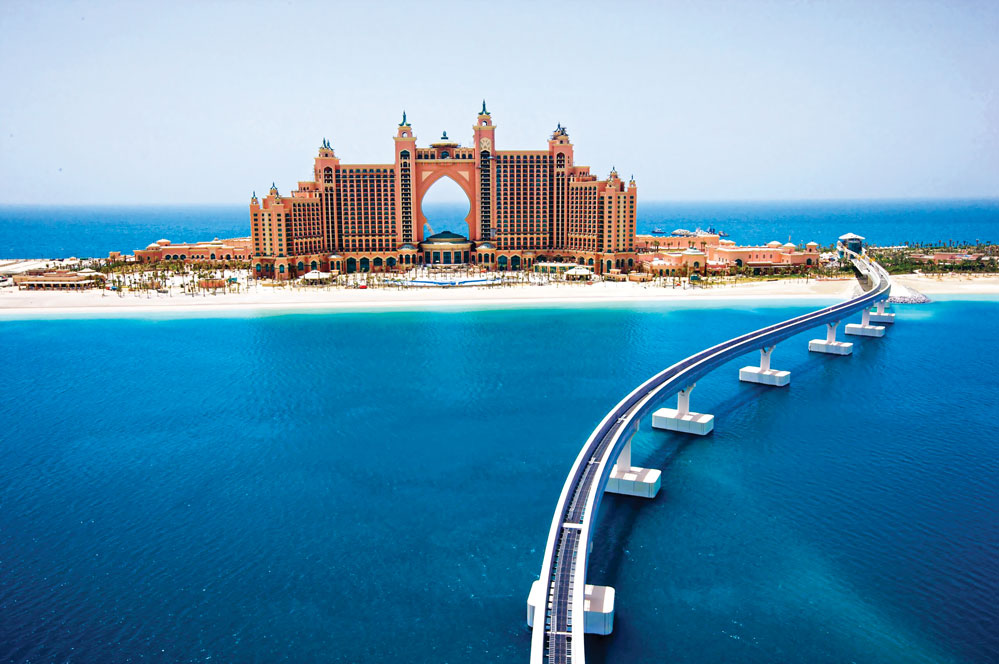
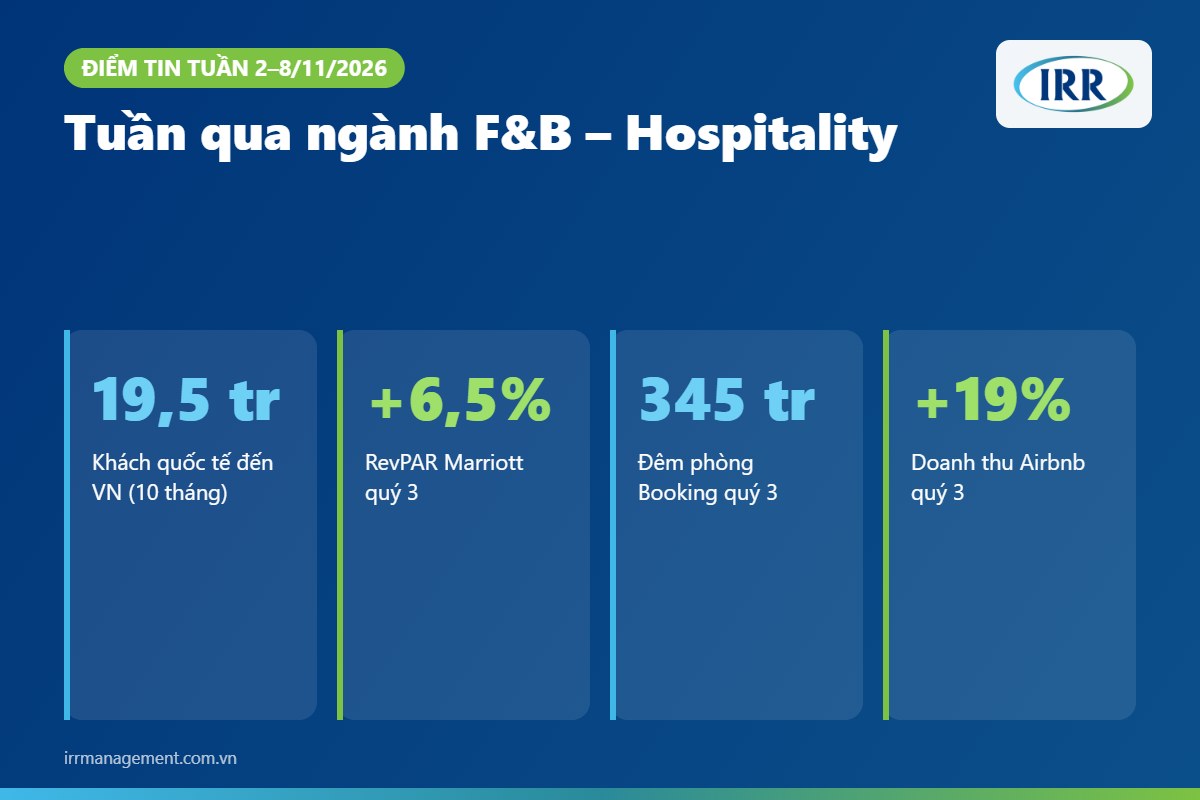
VIRAC counted 235 five-star hotels (77,895 rooms) and 354 four-star hotels (47,502 rooms) in Vietnam in 2023. Avison Young data (May 2026) show 5-star ADR of about US$197 in HCMC and US$292 in Da Nang in Q1 2026, with 88% occupancy for Da Nang 5-star hotels. More upscale supply means more demand for managers and staff trained to 4–5-star standards.
A star on the sign is the result of the operating system behind it, built through structured training and operational consulting.
IRR Group – International Recreation & Resort Management

Telephone: 0909.140.866
Email: info@irrmanagement.com.vn