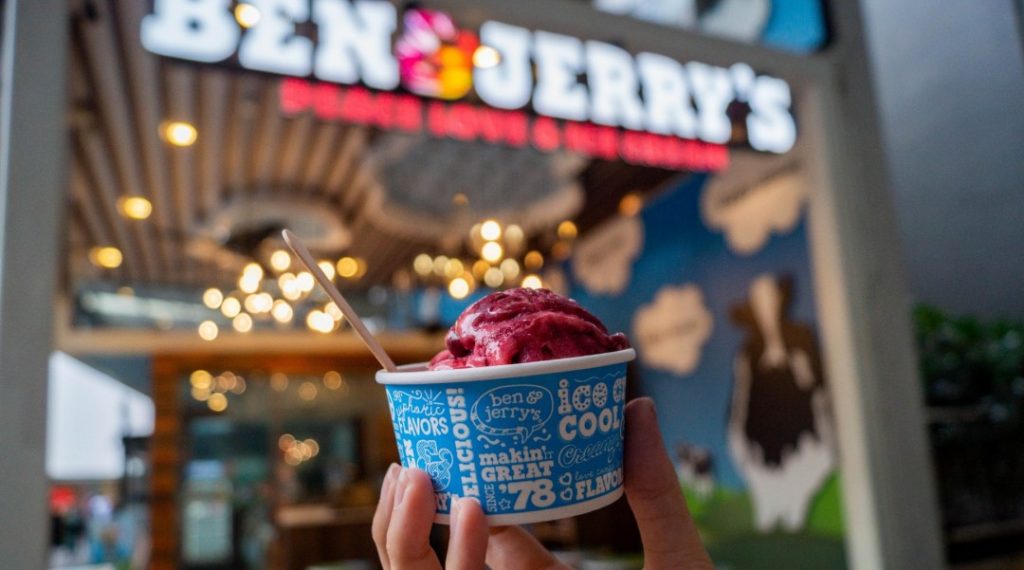
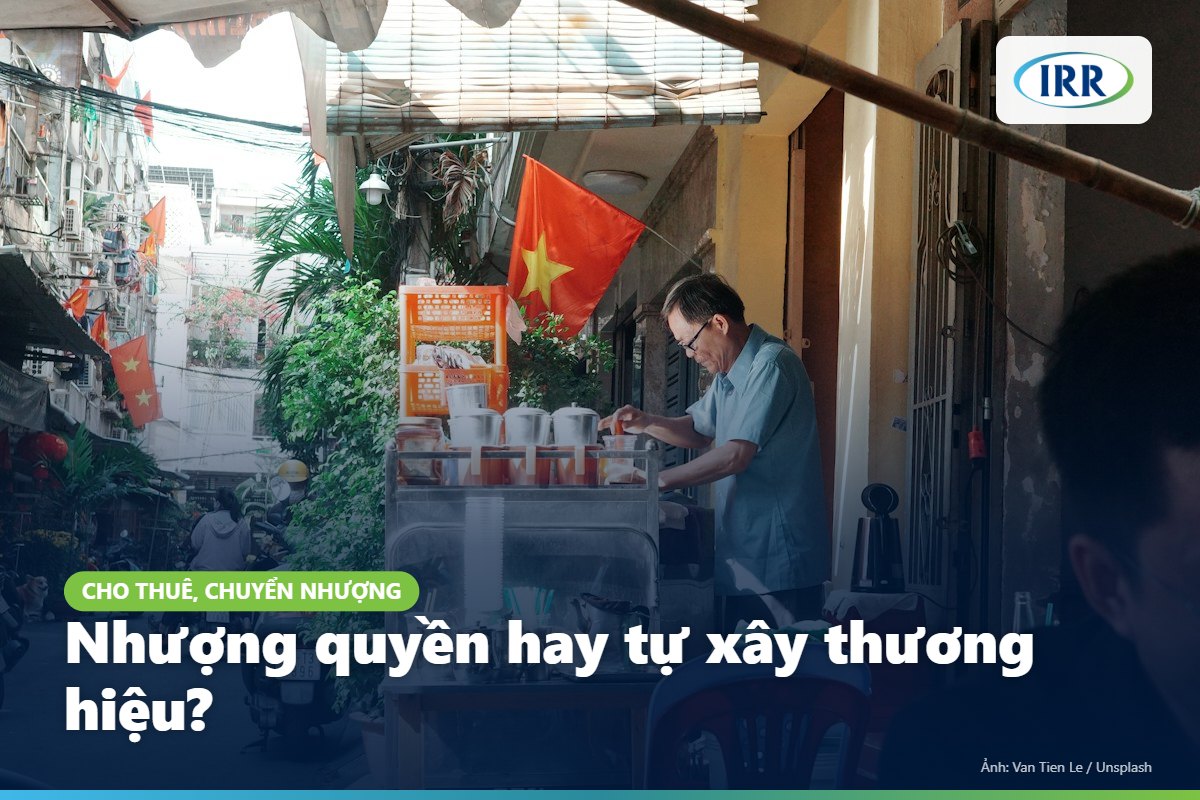
Franchising was once seen as the F&B expressway: brands scale without much capital, newcomers get a ready-made model. As the market consolidates, the question is no longer "which brand is hot" but "which model still works at store 50 or store 500".
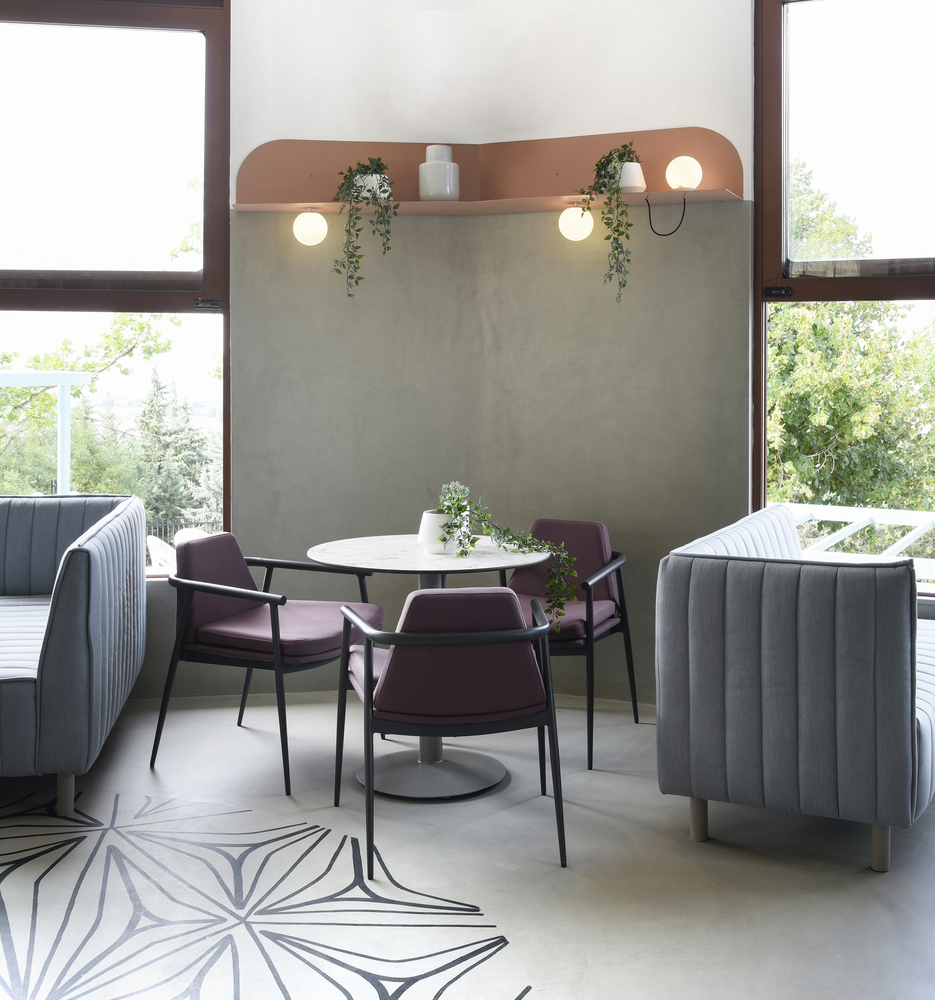
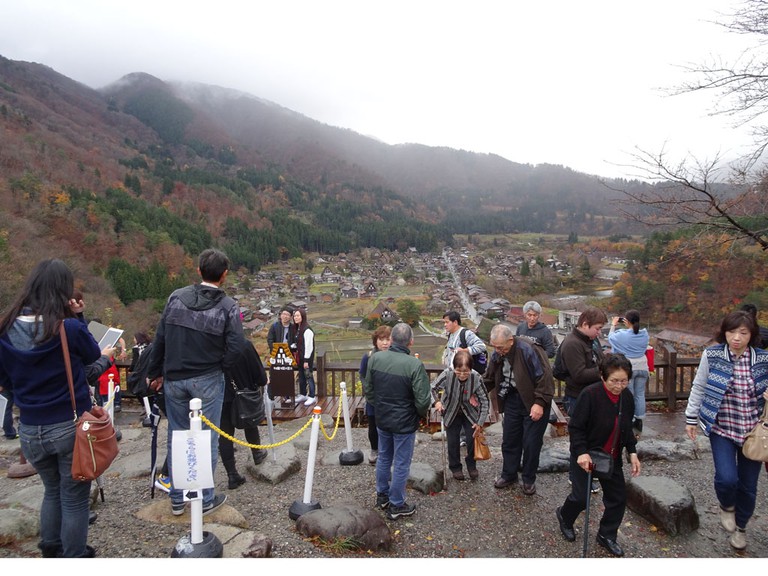
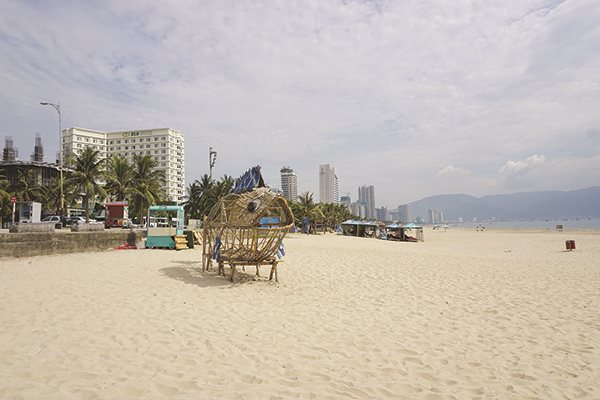
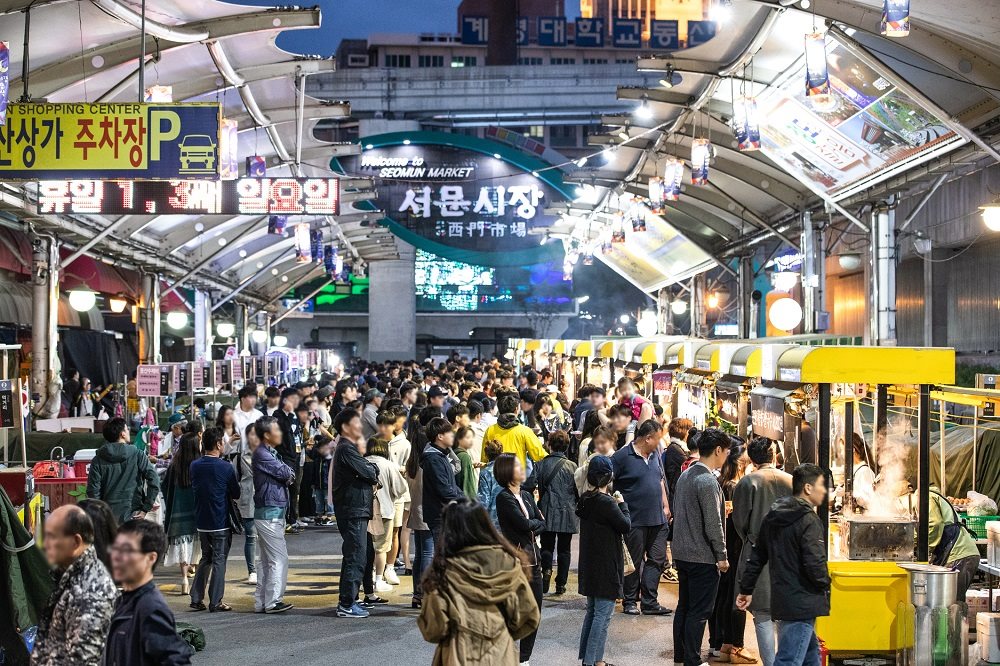
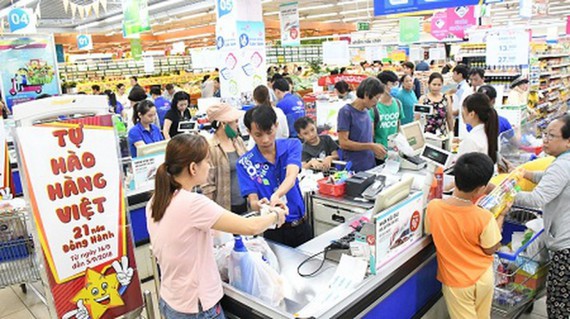
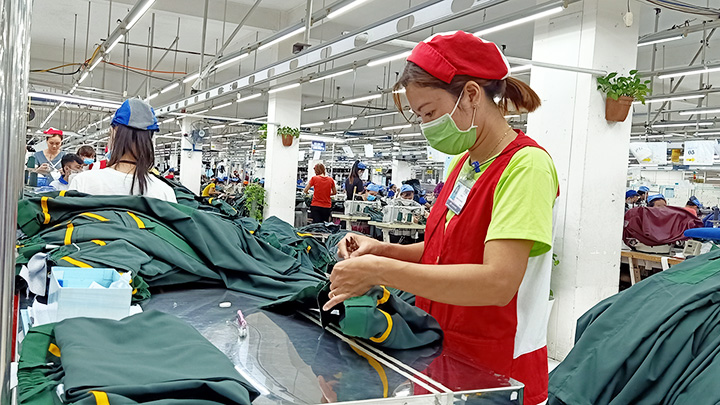
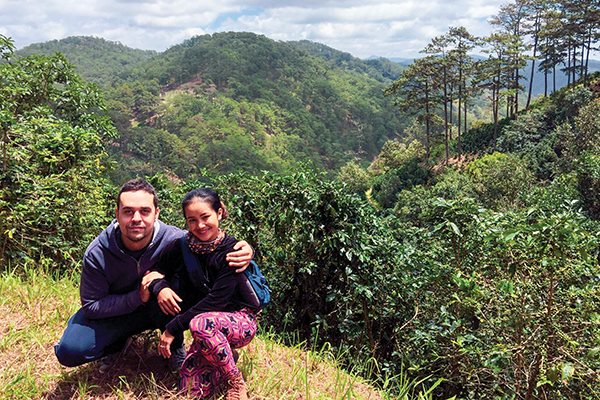
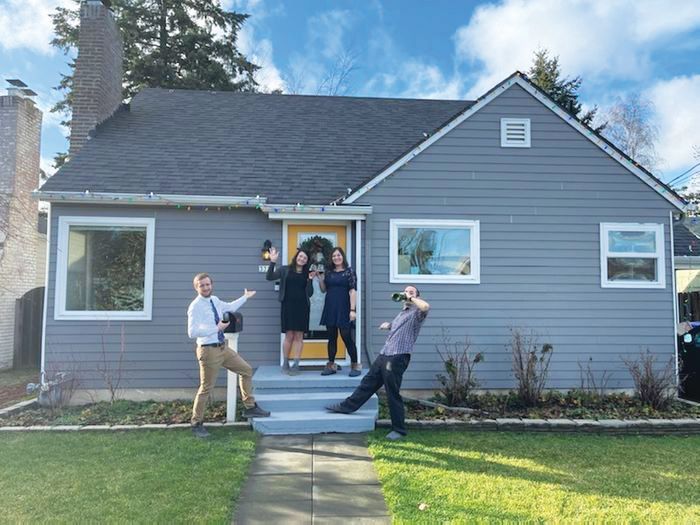
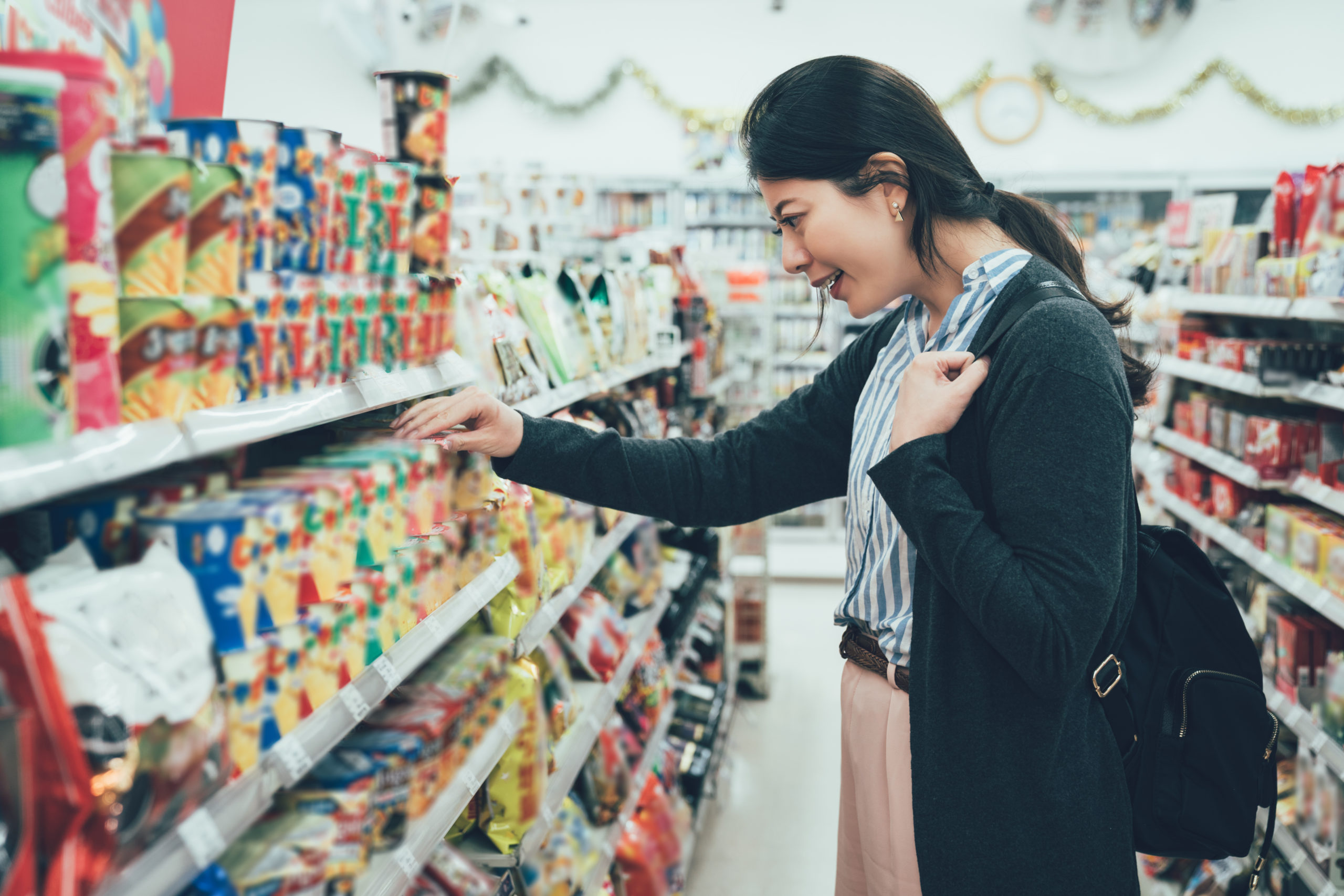
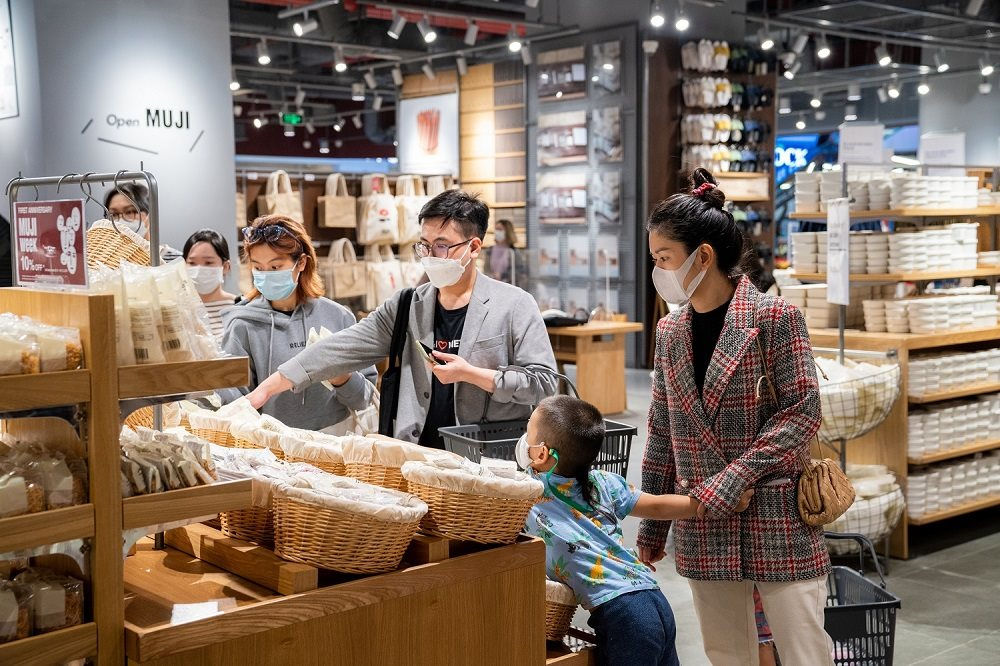
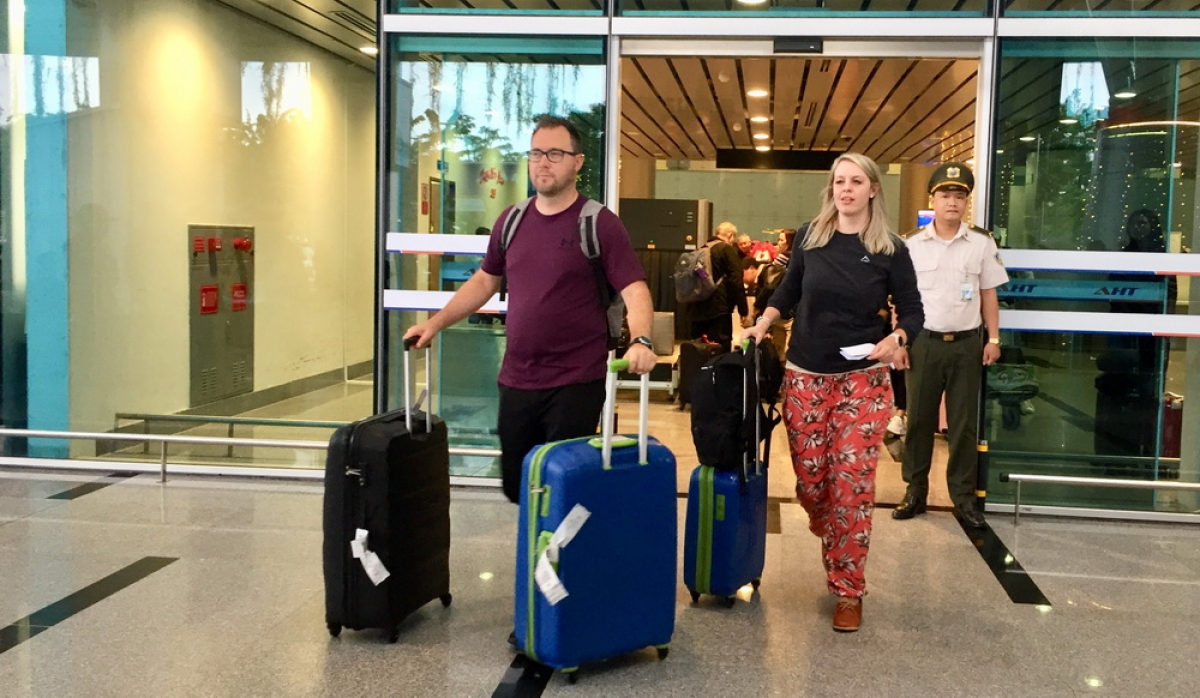
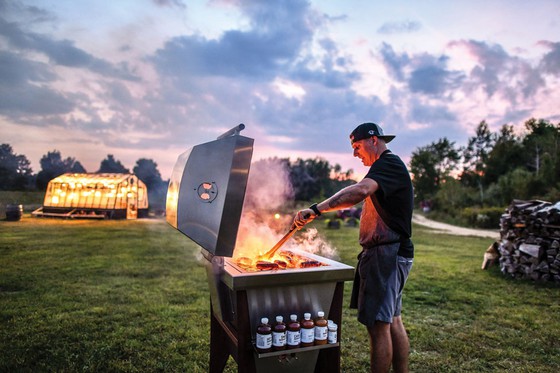
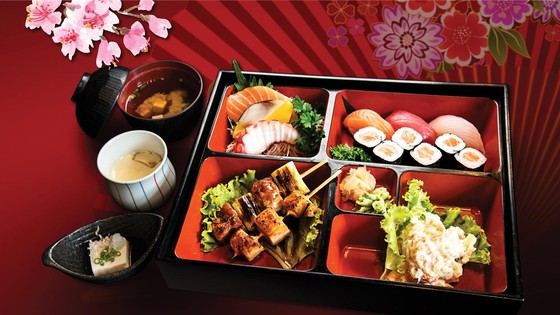
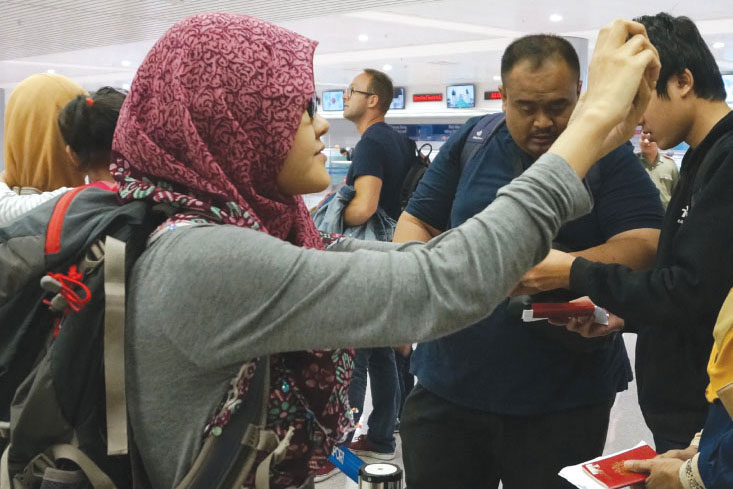
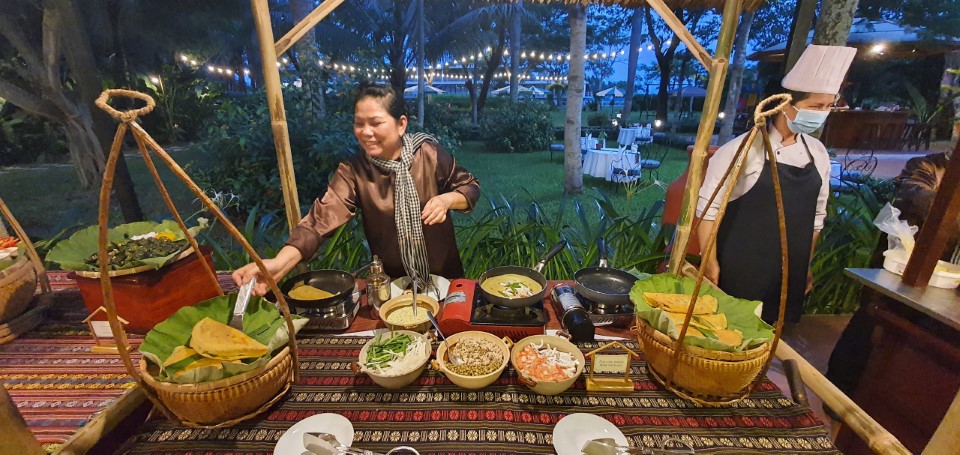
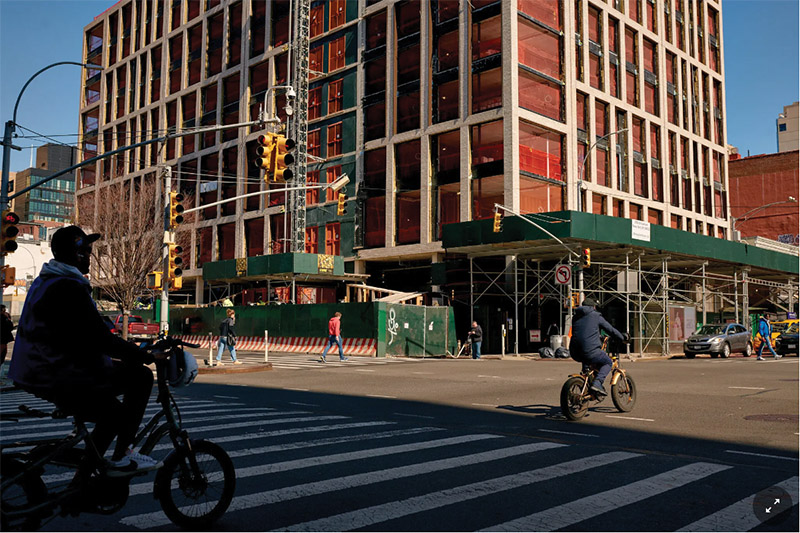
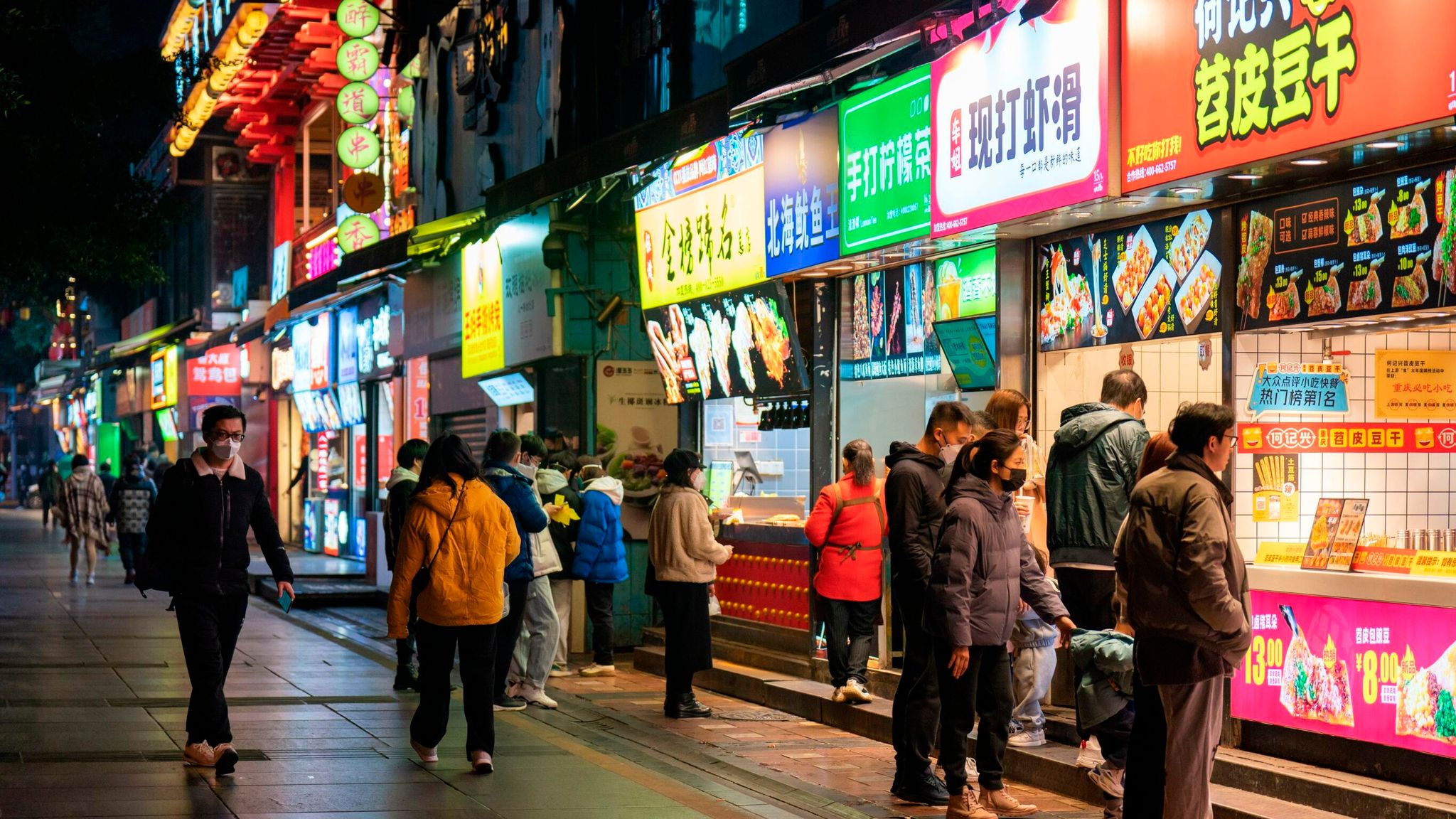
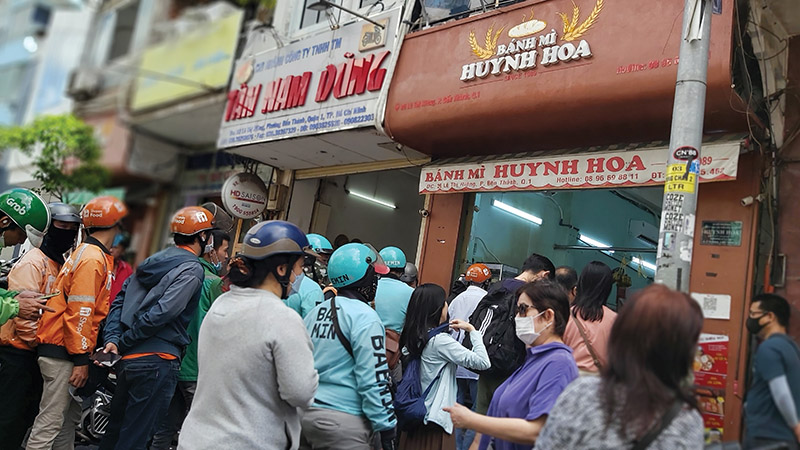
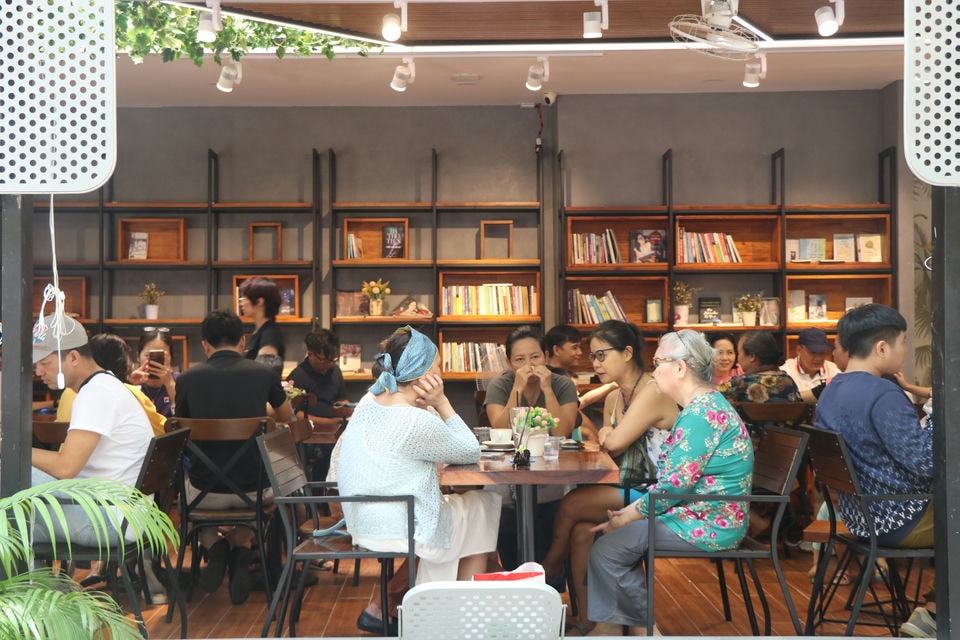
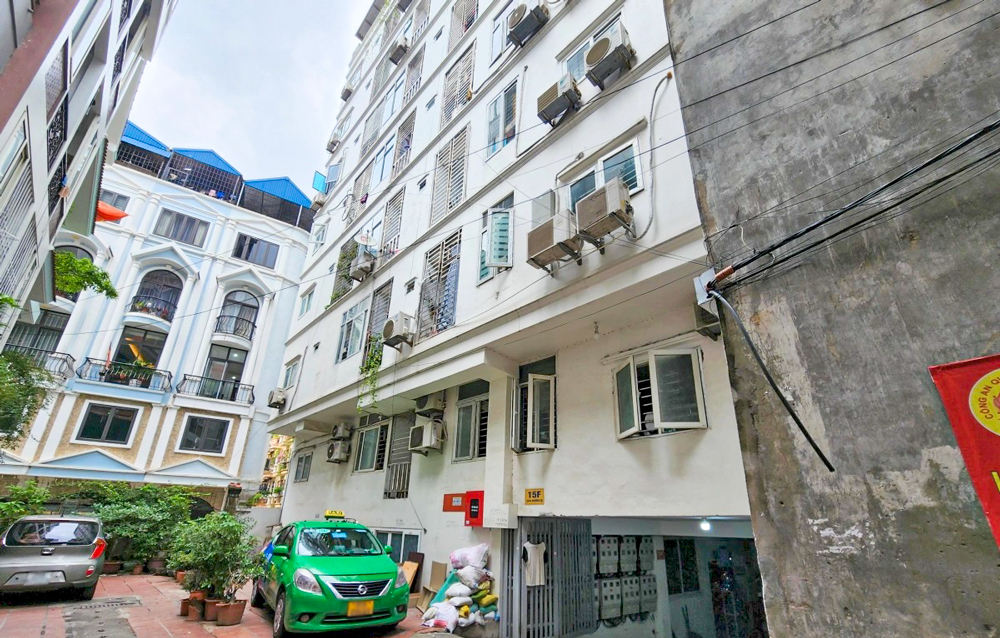
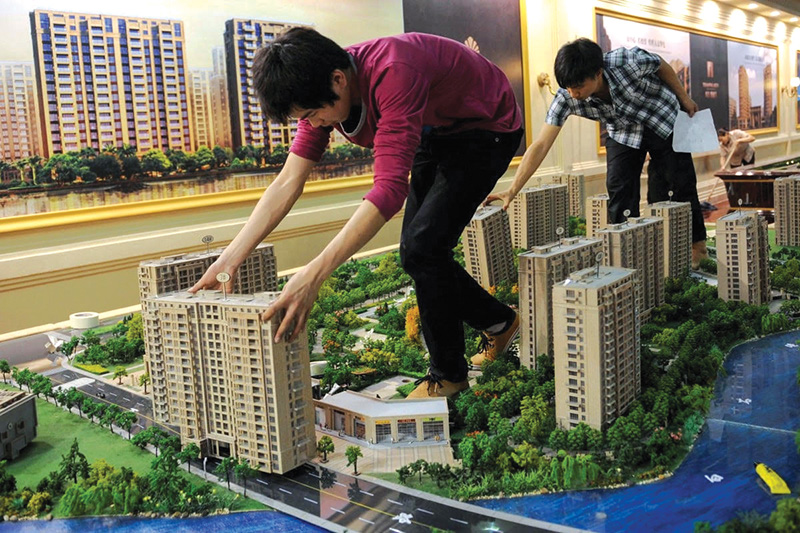
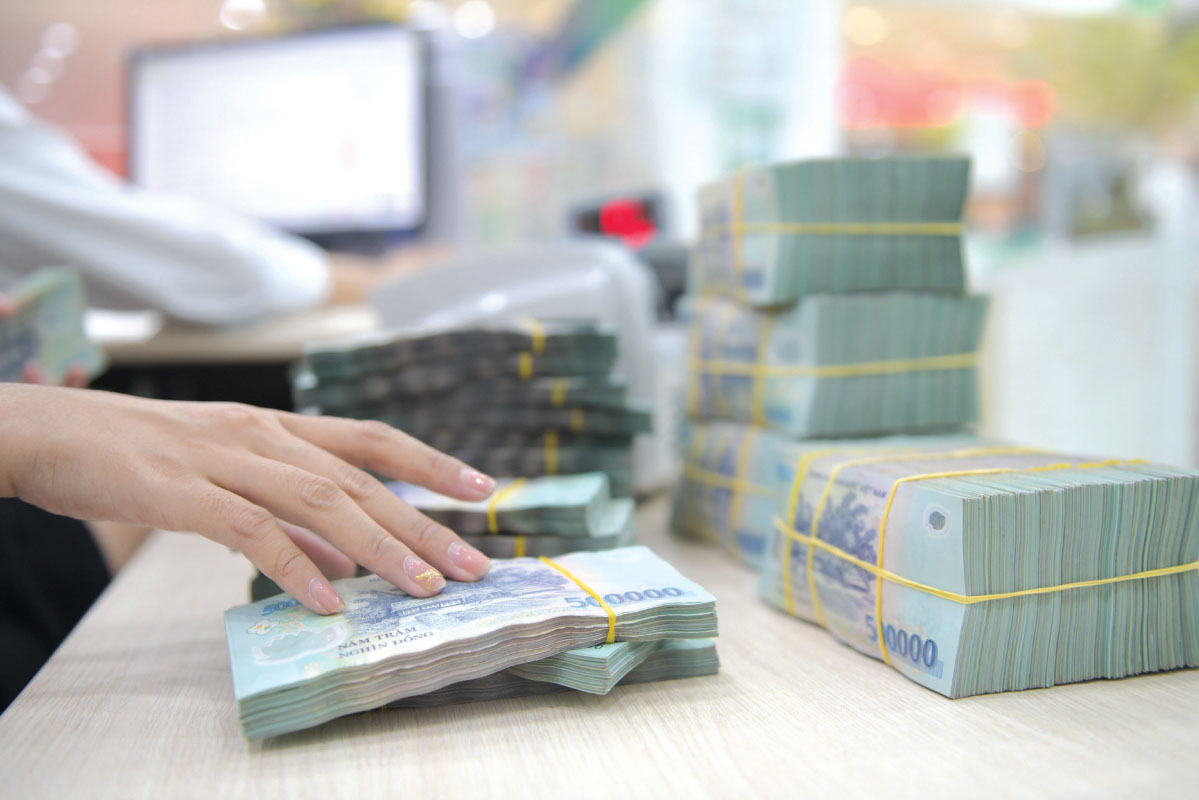
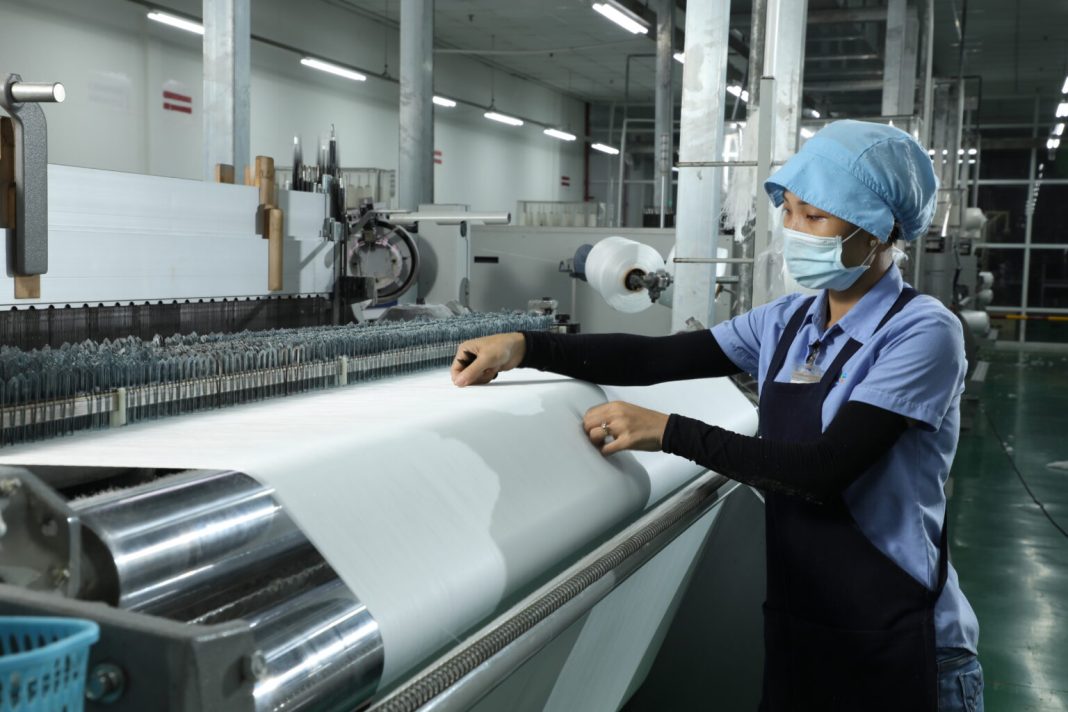
Mô hình nhỏ, sản phẩm đơn giản, chuẩn hóa được là lợi thế lớn khi nhượng quyền · Ảnh: Amy Tran / Unsplash
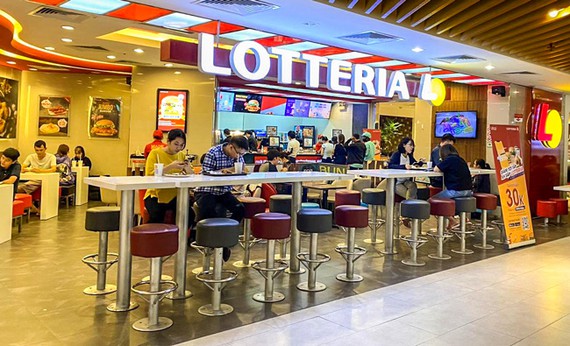
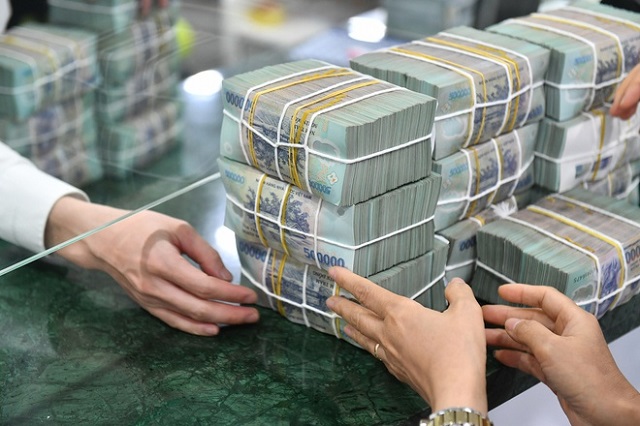
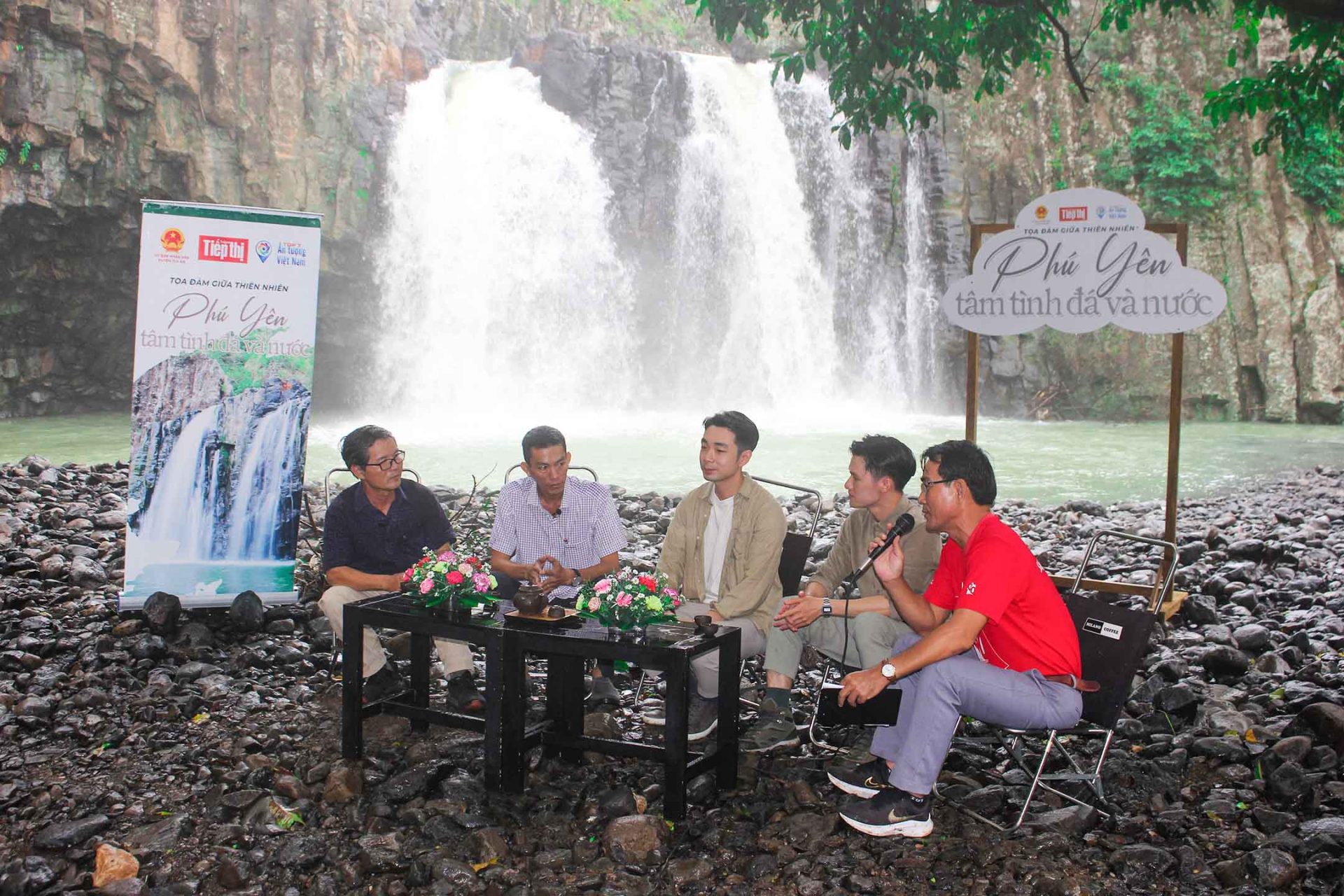
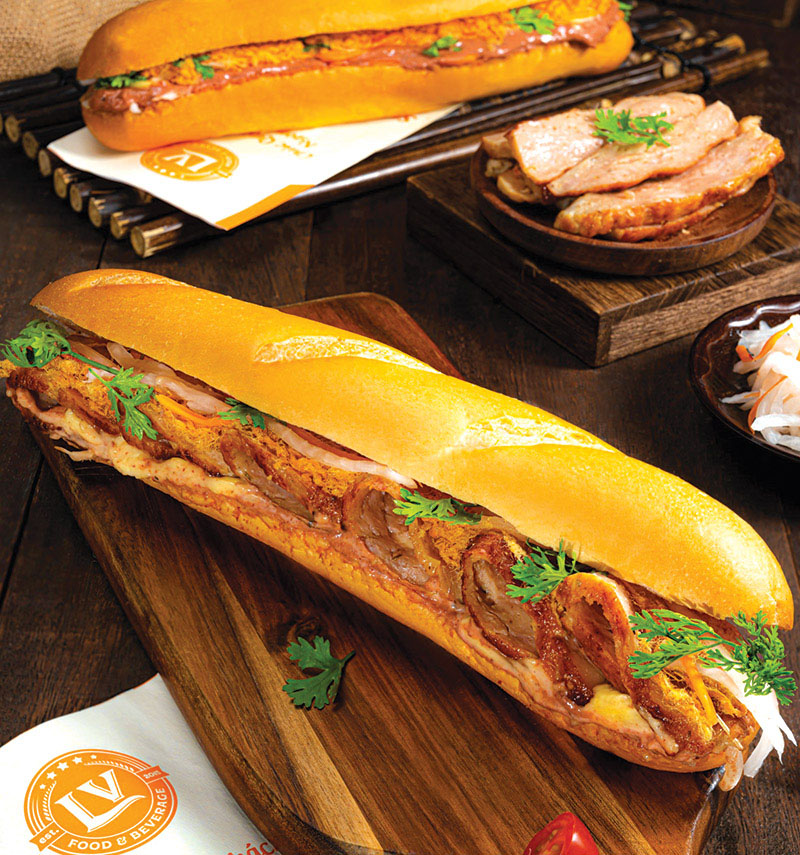
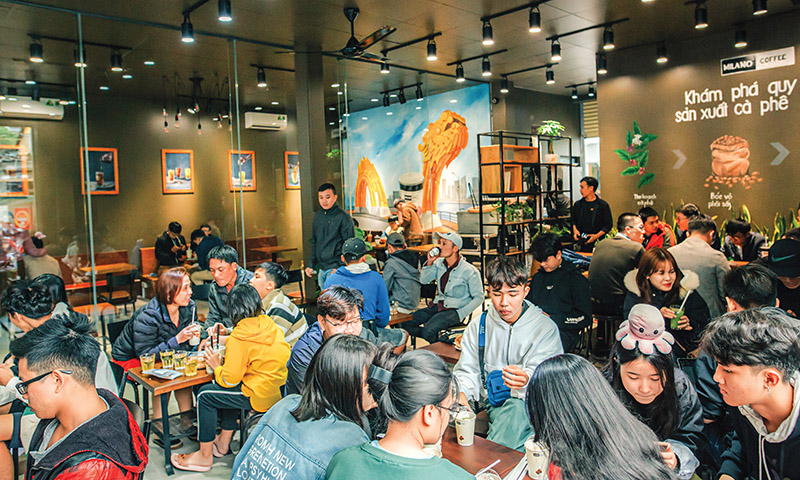
Vietnam has successful examples. According to the Saigon Economic Times, Banh mi Ma Hai once had more than 1,000 franchise partners with a package of about VND 7.5 million, earning mainly from ingredient supply; Milano Coffee grew to around 2,000 outlets needing about 30 m² and just over VND 70 million to start. Their common traits: simple, standardisable products, low entry cost and revenue tied to the supply chain. Others, such as Thai Market with a menu of about 100 dishes, tried franchising and stopped.
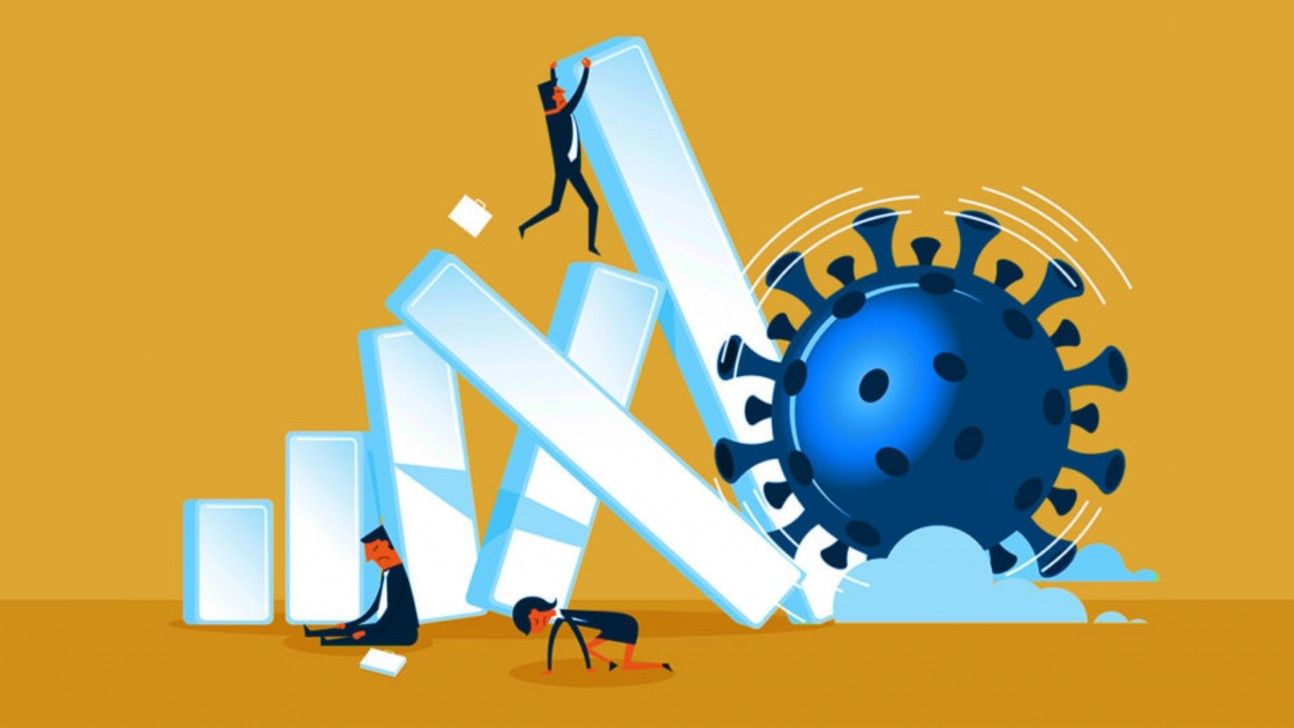
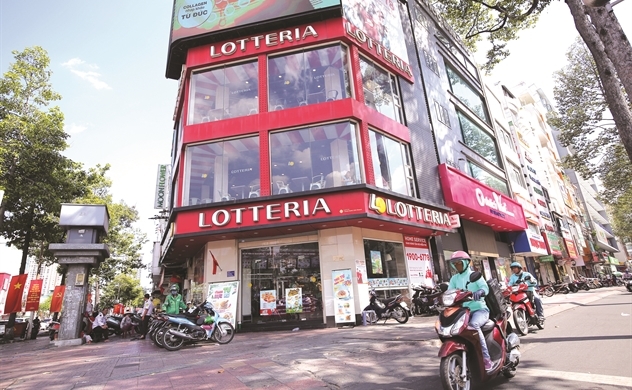
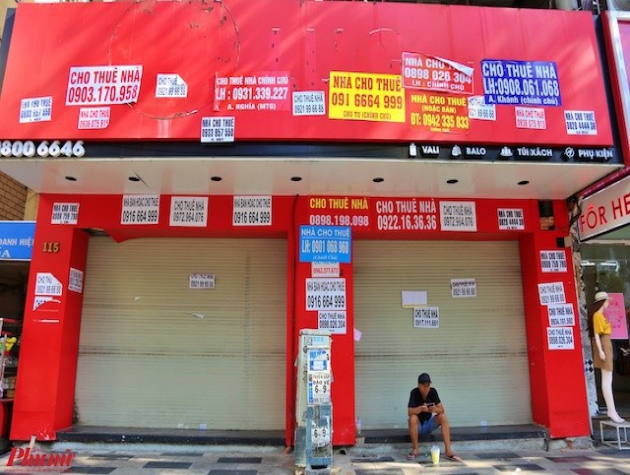
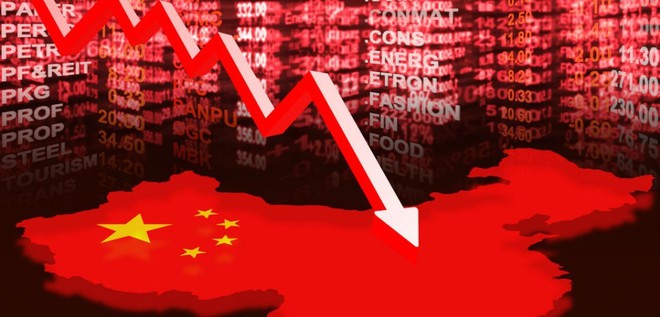
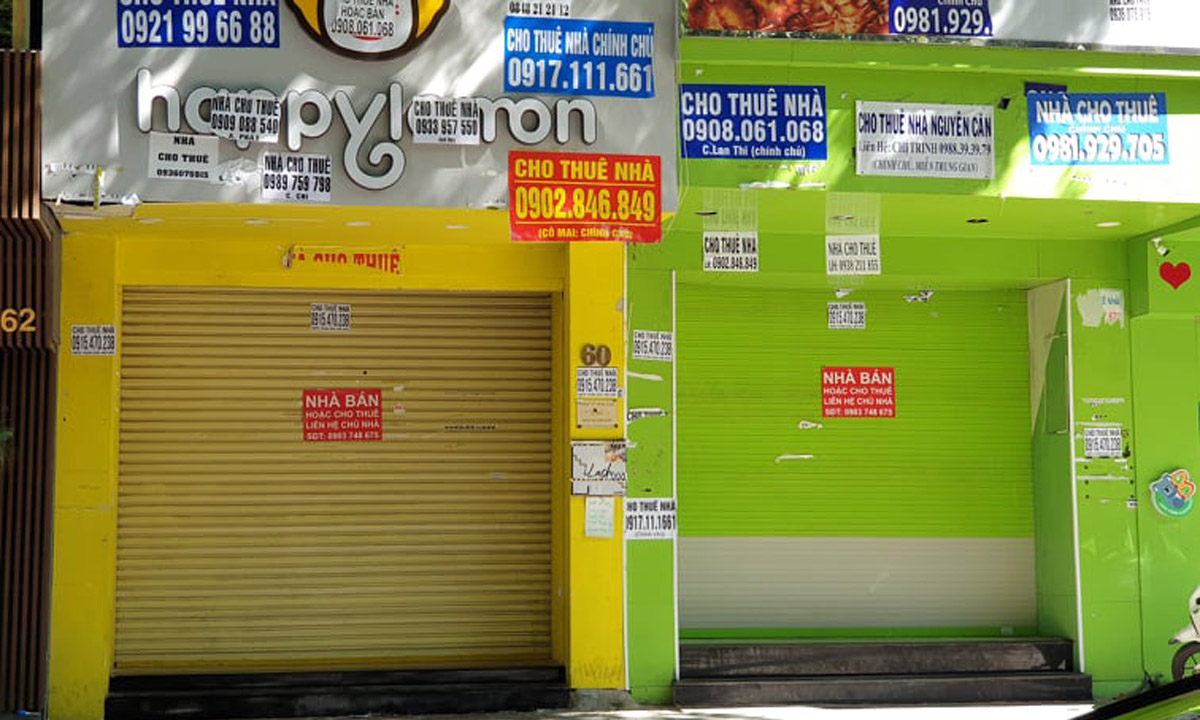
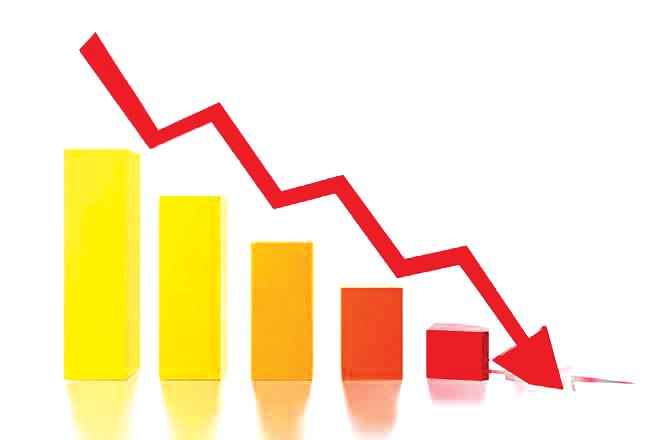
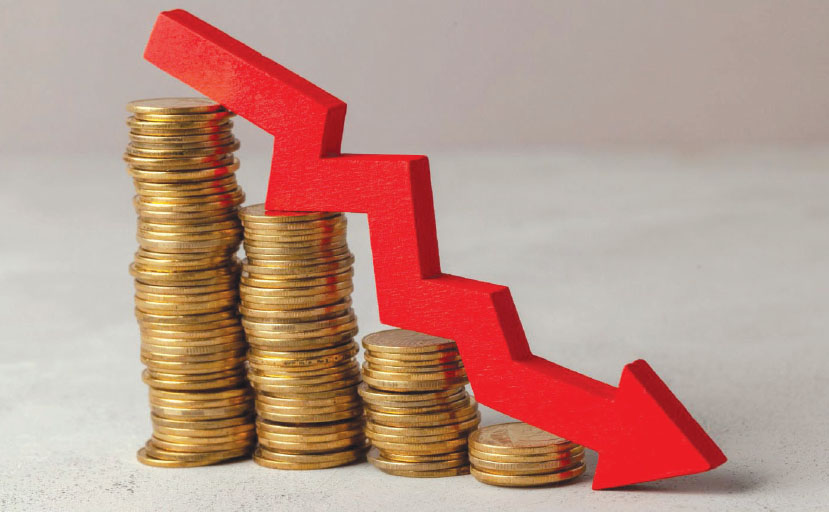
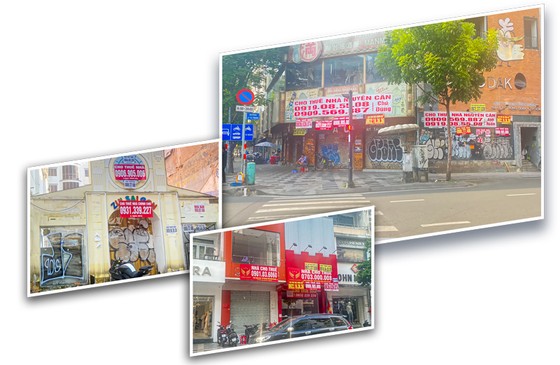
About 50,000 F&B outlets closed in the first half of 2025 (iPOS.vn). F&B Investment chairman Hoang Tung argues that 2026 will reward businesses that grow "right and sustainably", with every store profitable on its own and cash flow ahead of paper profit (Dai bieu Nhan dan, Dec 2025). Mixue's overseas store count fell by 162 versus end-2024 and Café Amazon exited Vietnam after five years.
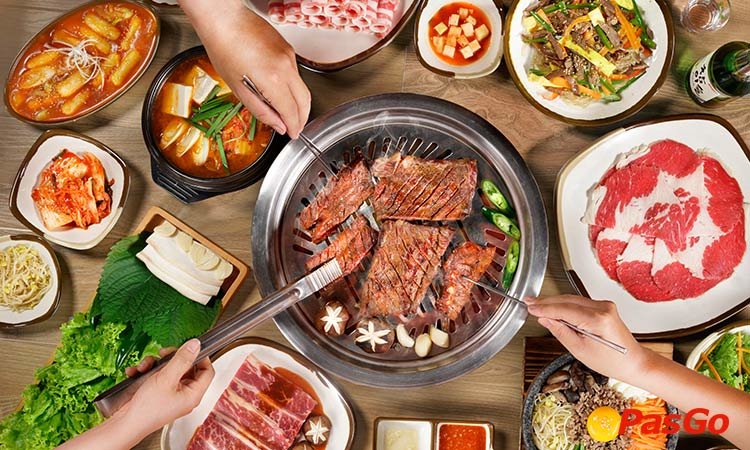
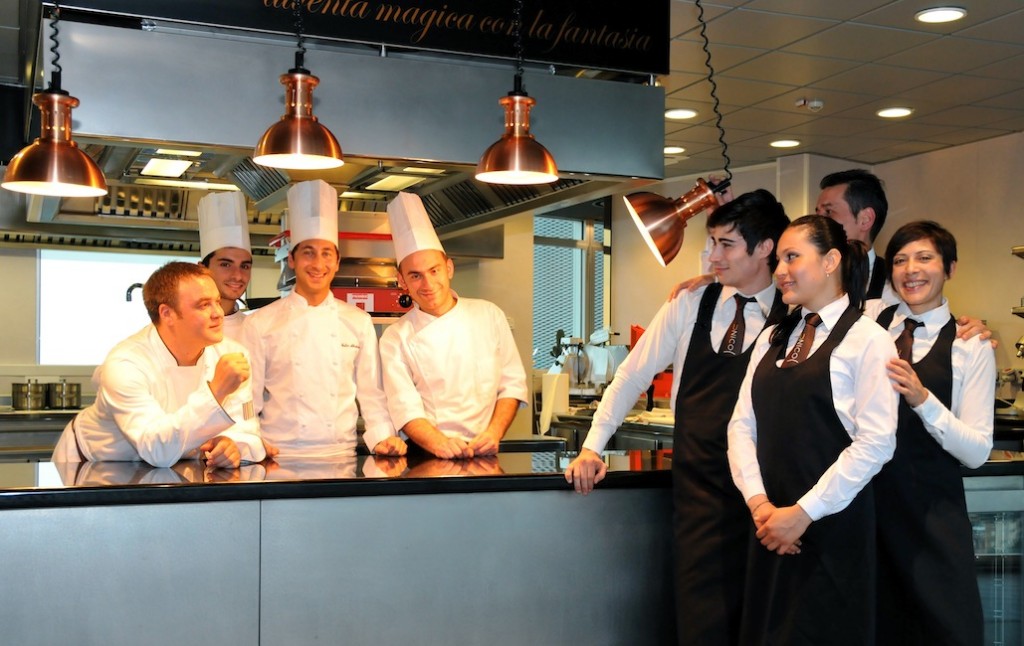
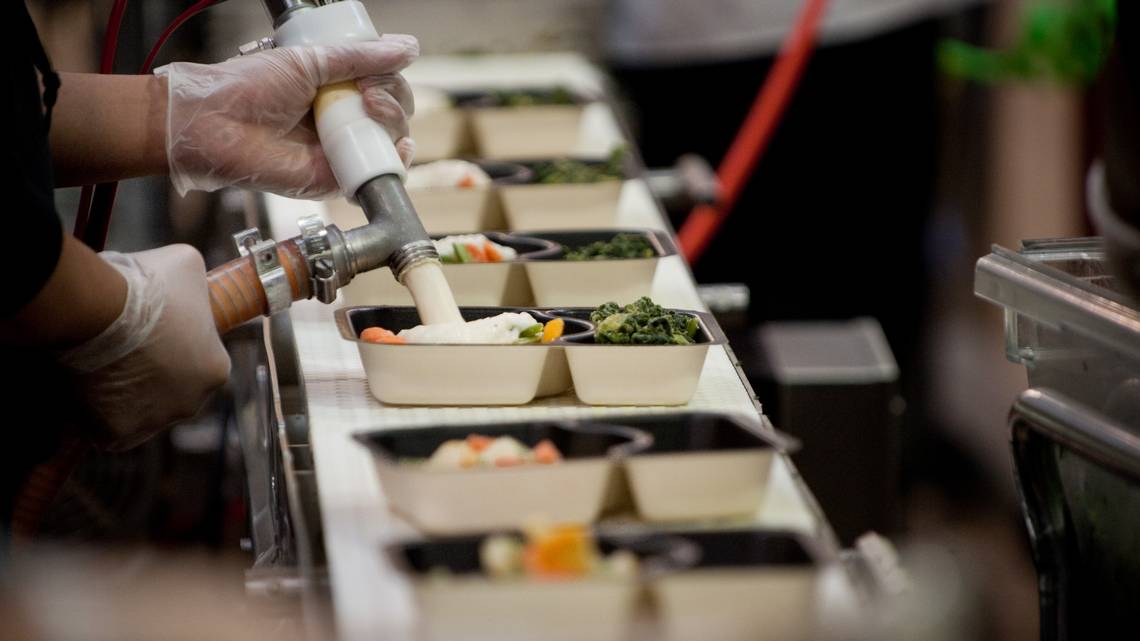
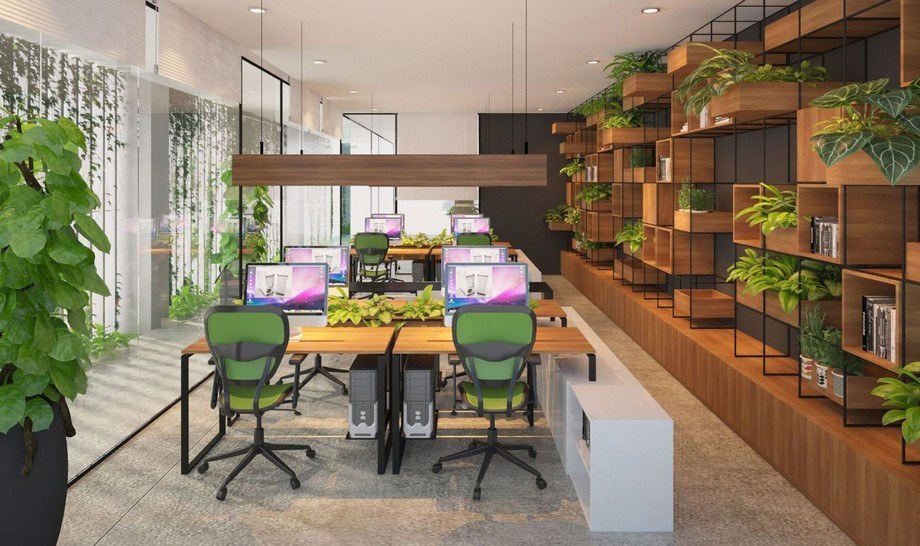
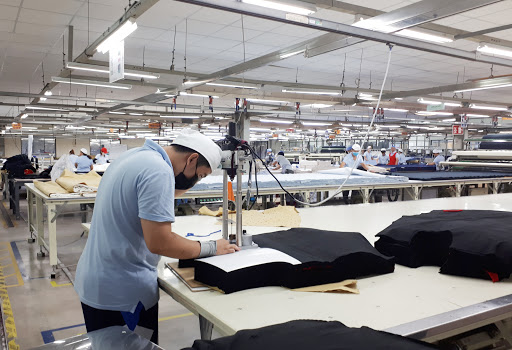
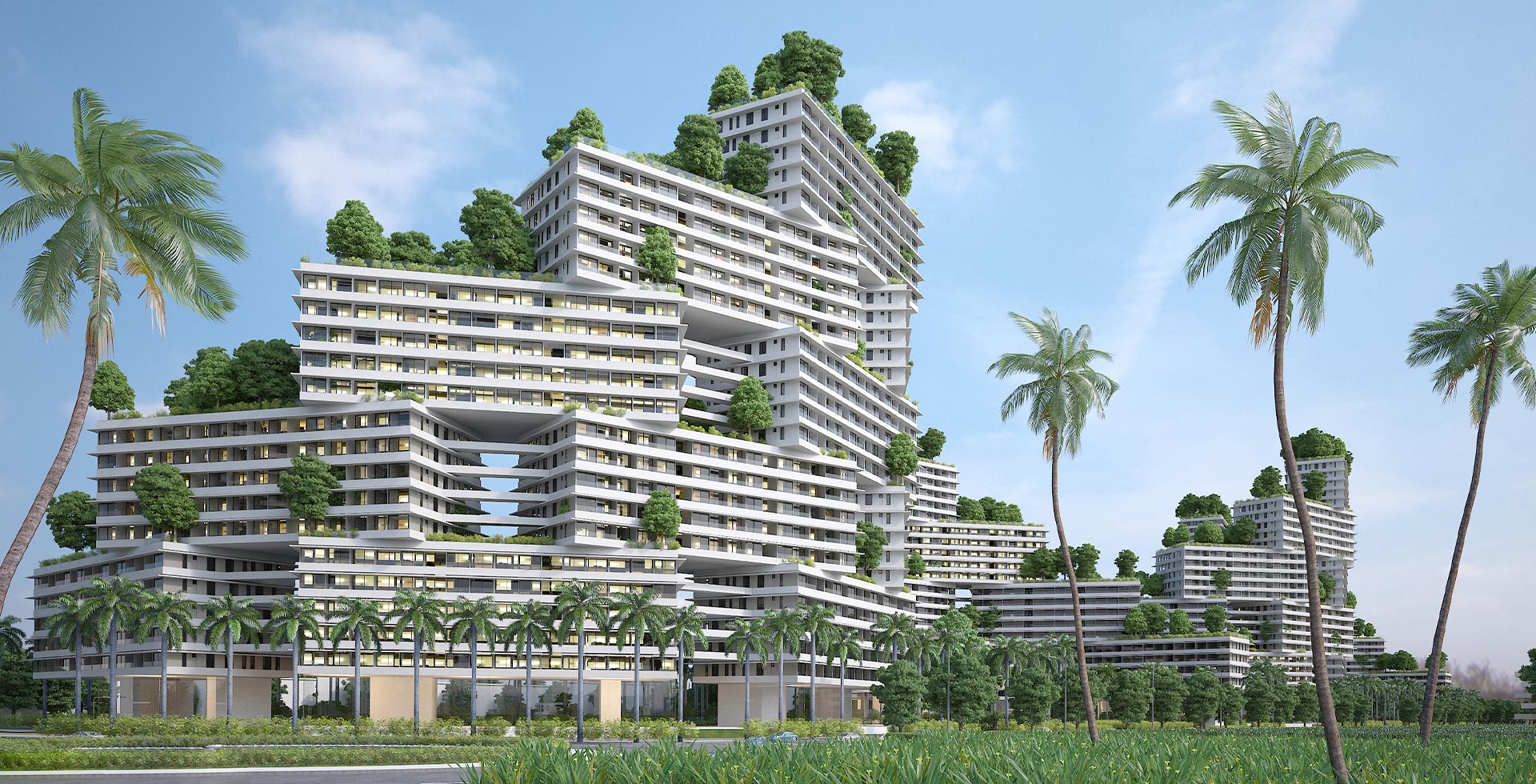
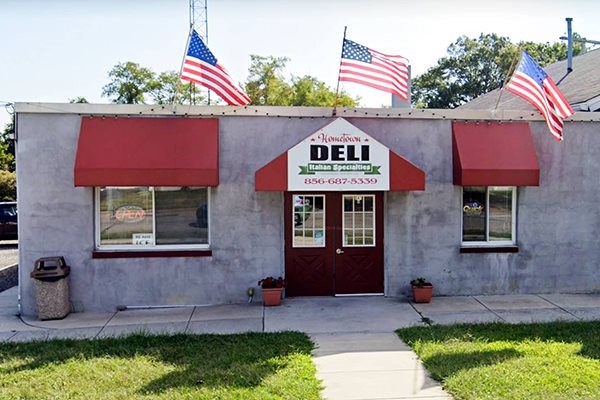
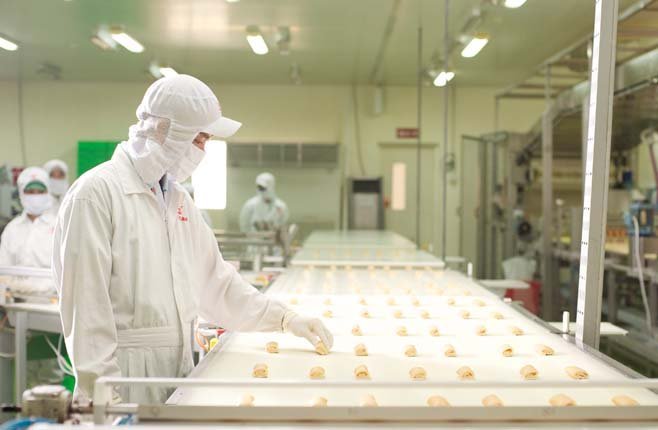
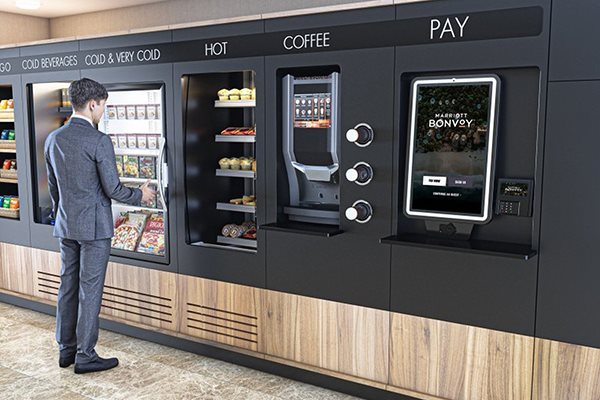
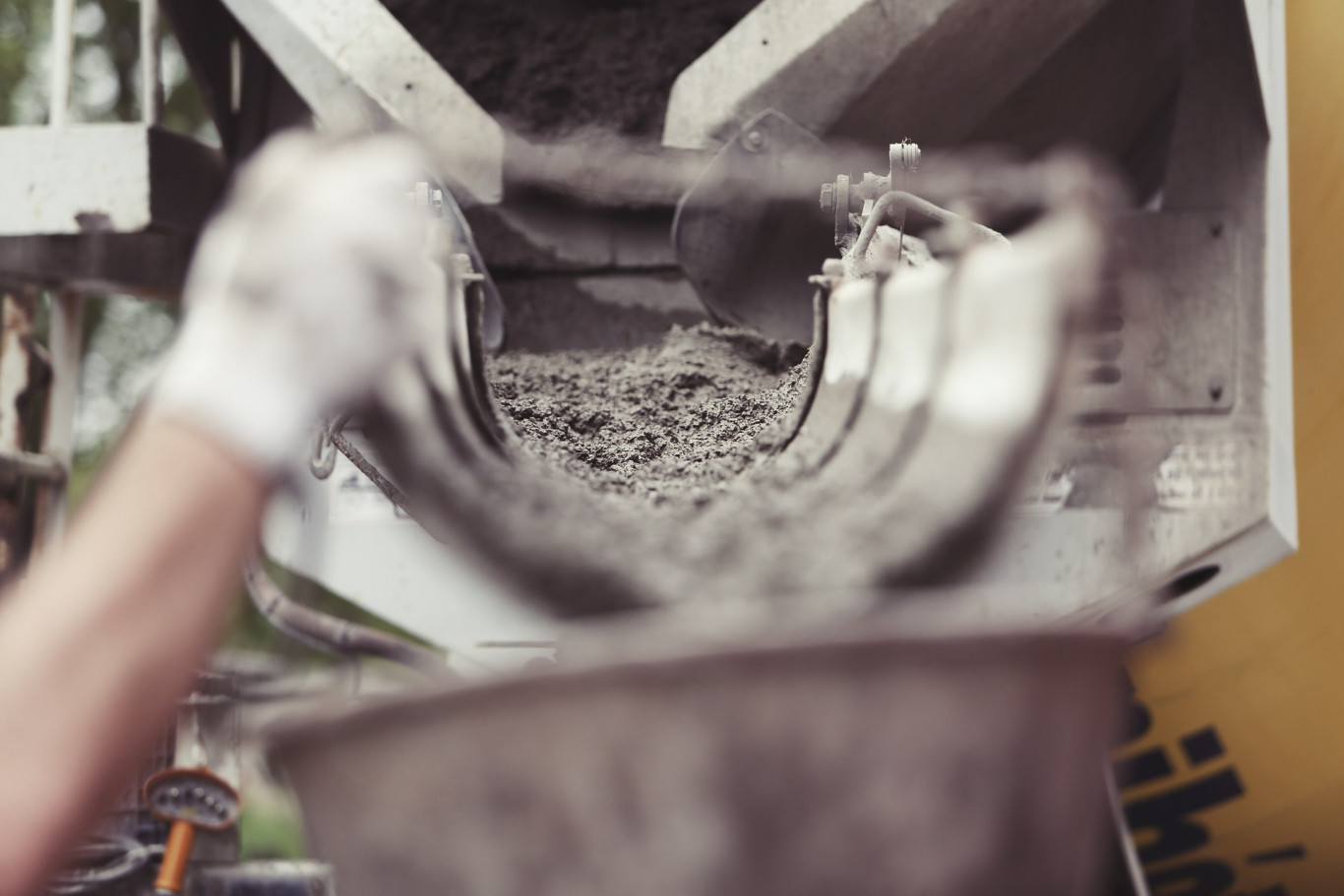
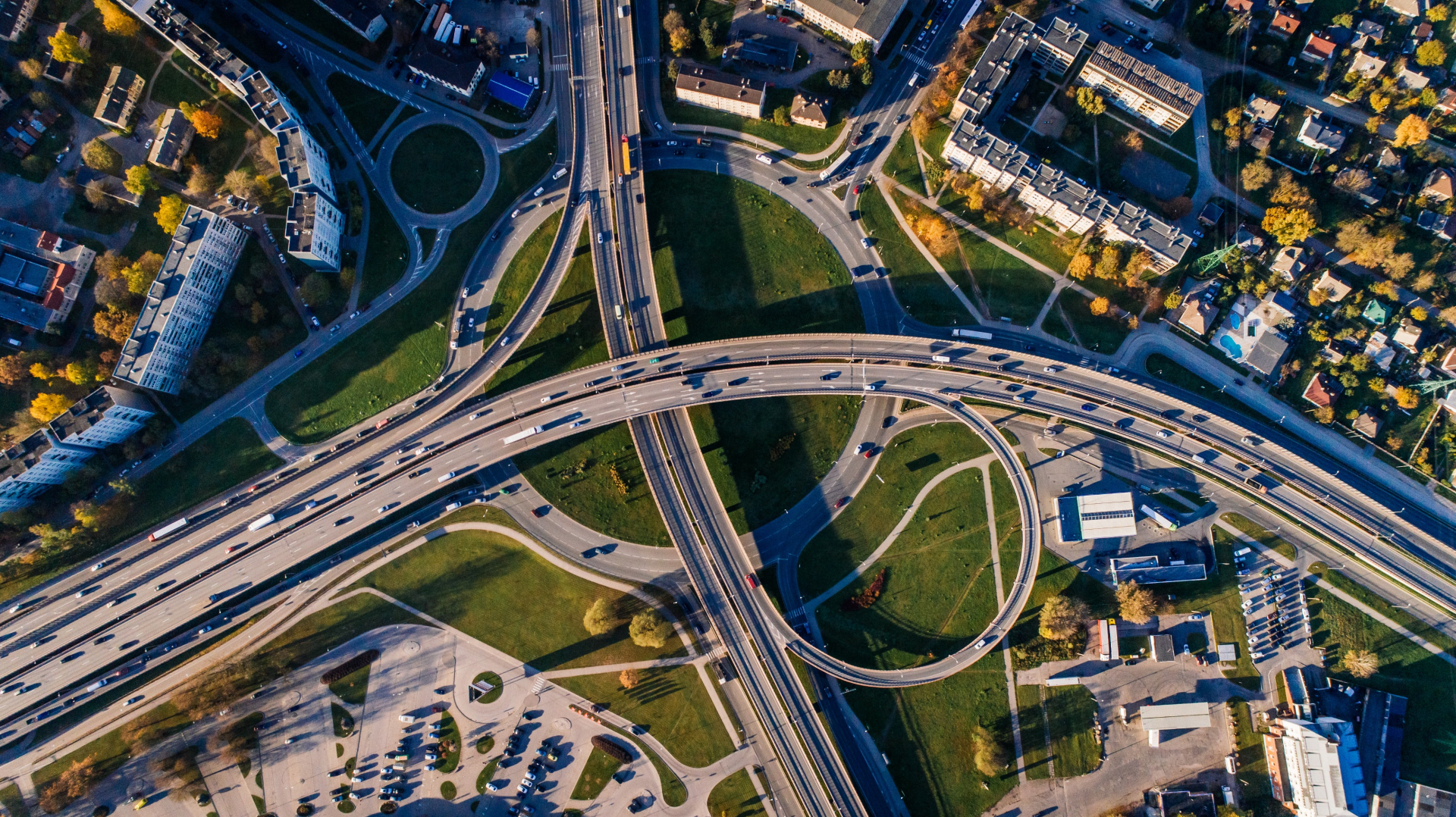
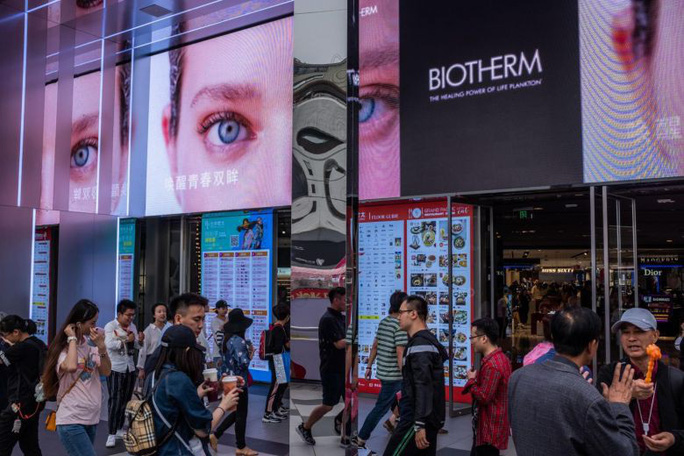
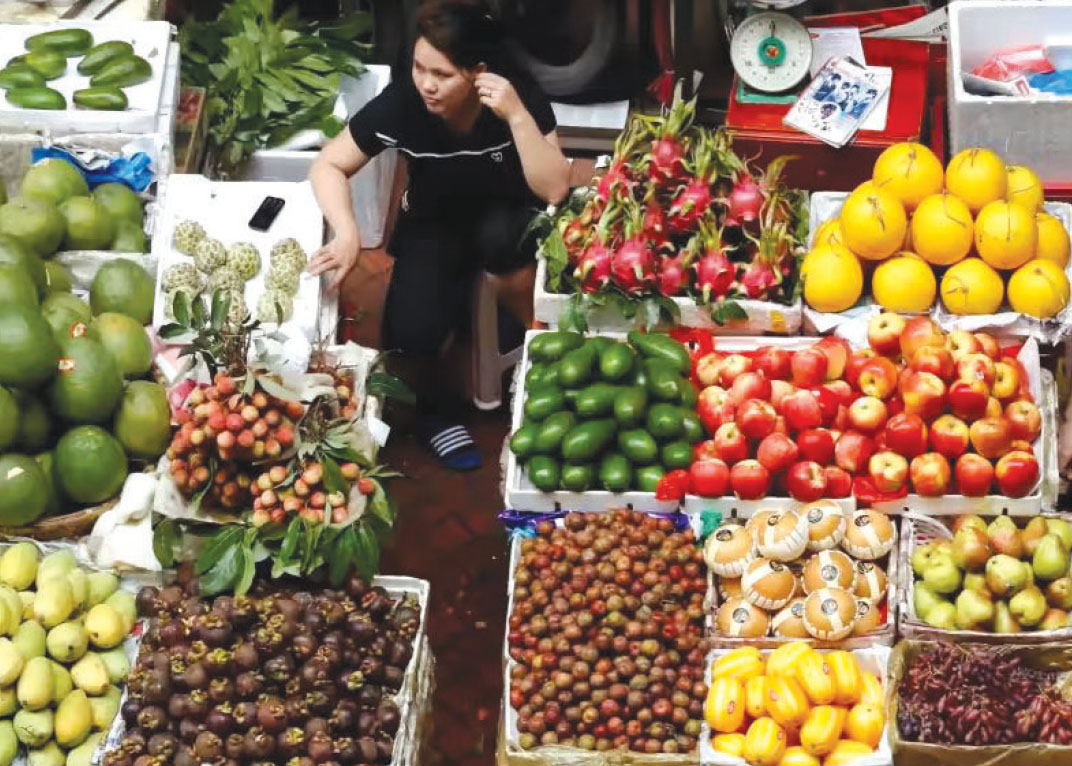
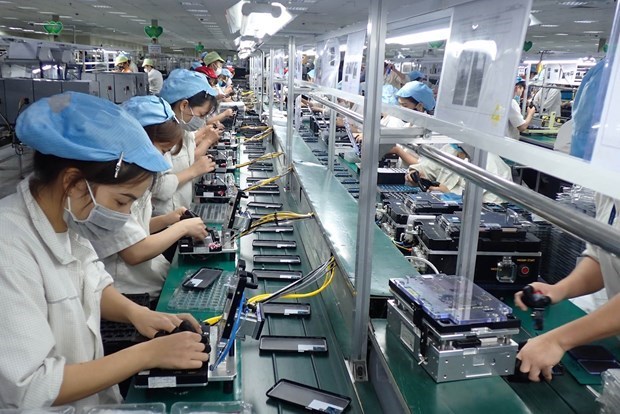
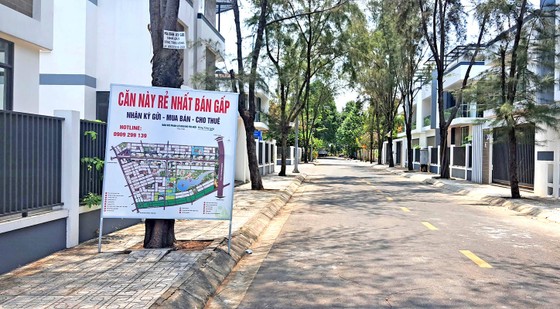
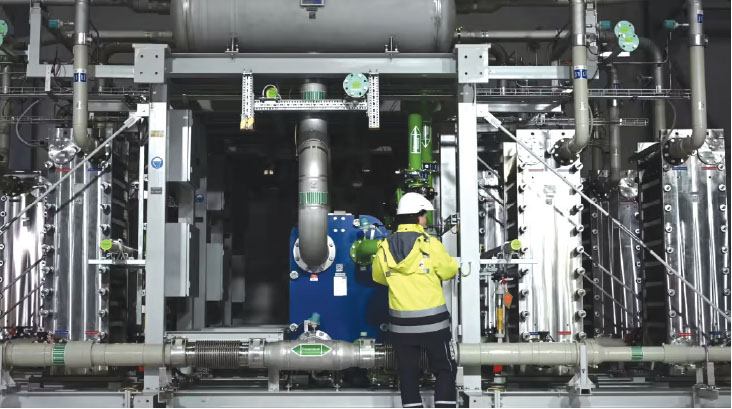
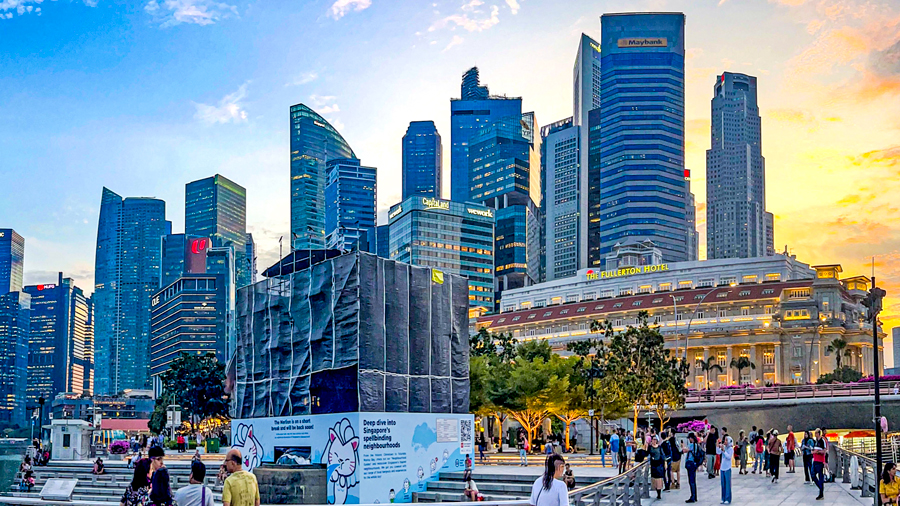
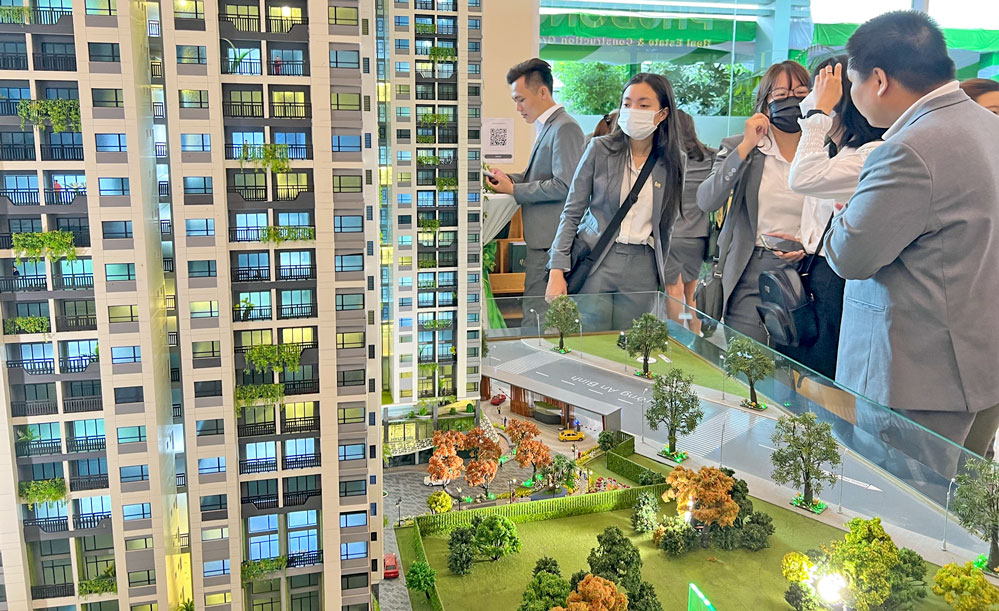
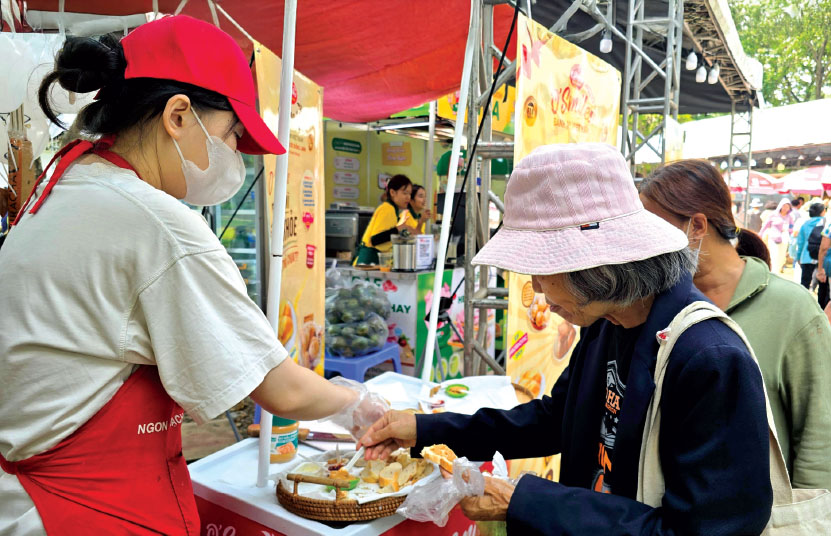
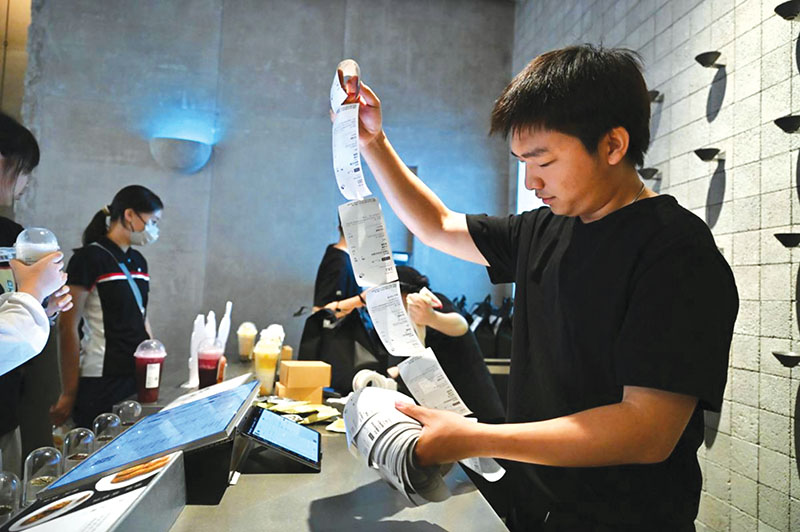
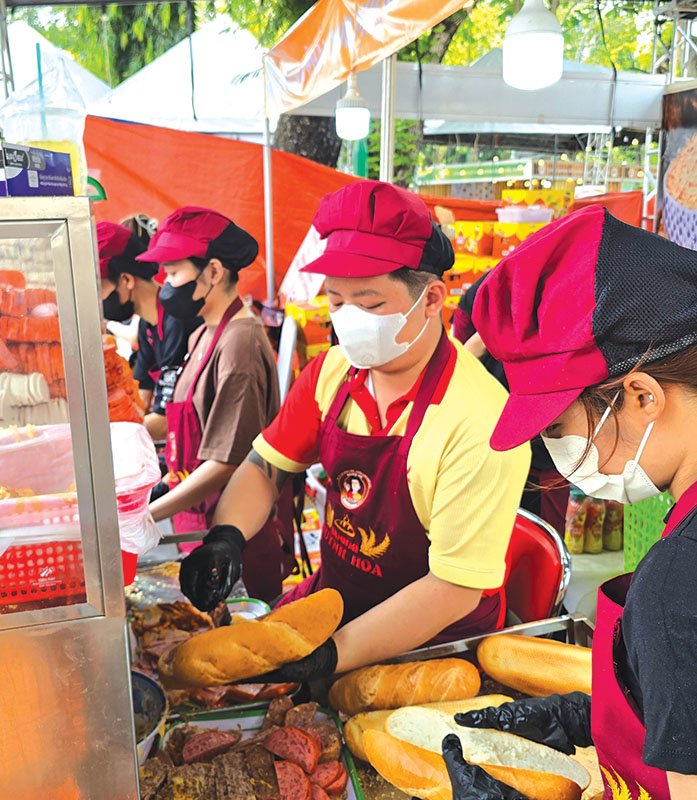
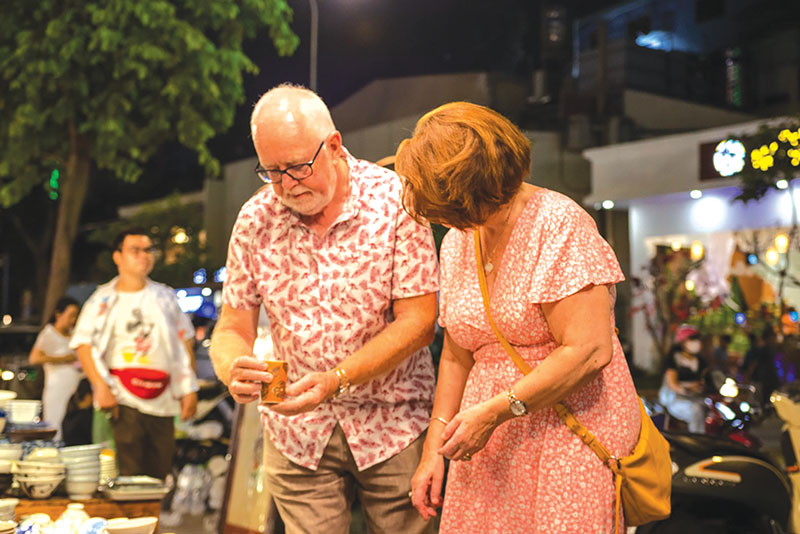
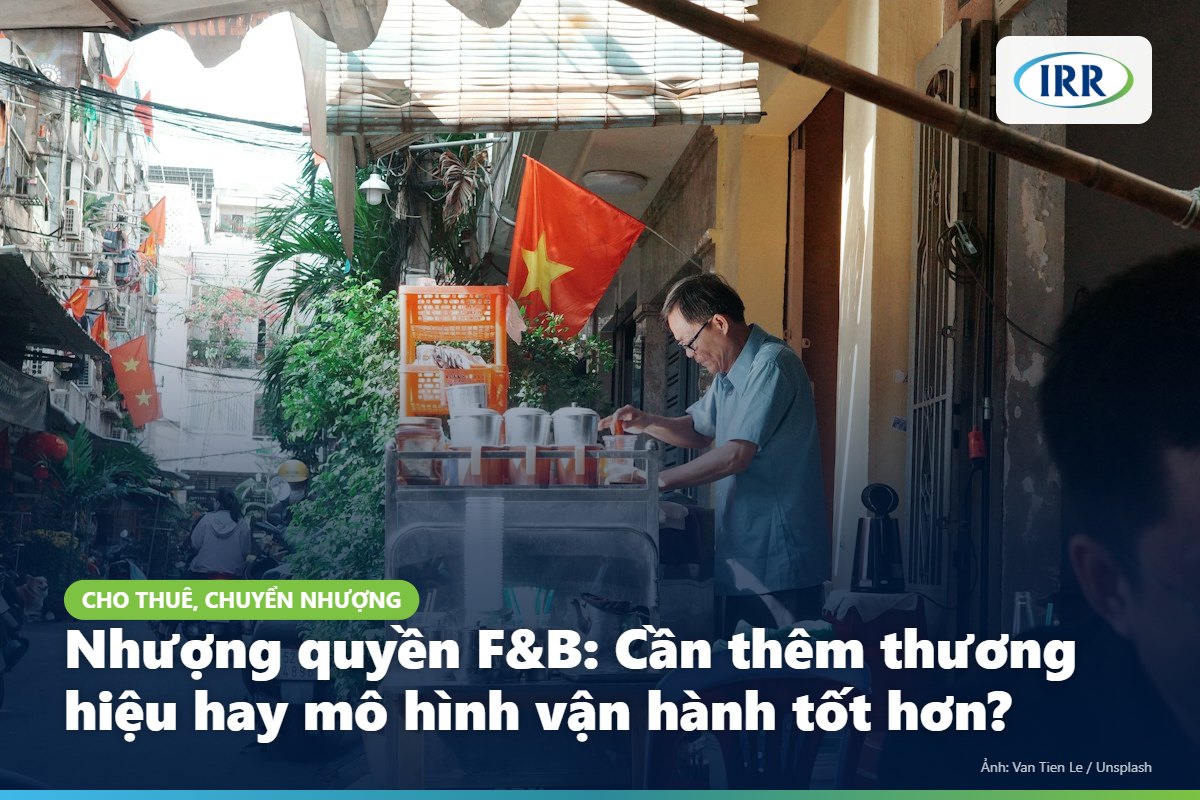
Người nhận quyền mua một hệ thống: công thức, quy trình, đào tạo và chuỗi cung ứng · Ảnh: Smalleyes / Unsplash
The market does not lack brands; it lacks operating systems good enough to replicate.
Management guidance only, not legal advice.
Franchising is not a shortcut but a way to replicate a system that already works. IRR can support businesses in standardising operations, building SOPs and training teams before scaling a chain.
IRR Group – International Recreation & Resort Management

Telephone: 0909.140.866
Email: info@irrmanagement.com.vn