In hospitality, the most familiar career path is simple: excel in a role, then get promoted to manage it. The best server becomes shift leader; the best receptionist becomes front office supervisor. Yet many newly promoted people discover within months that what made them great in the old role is not enough for the new one.
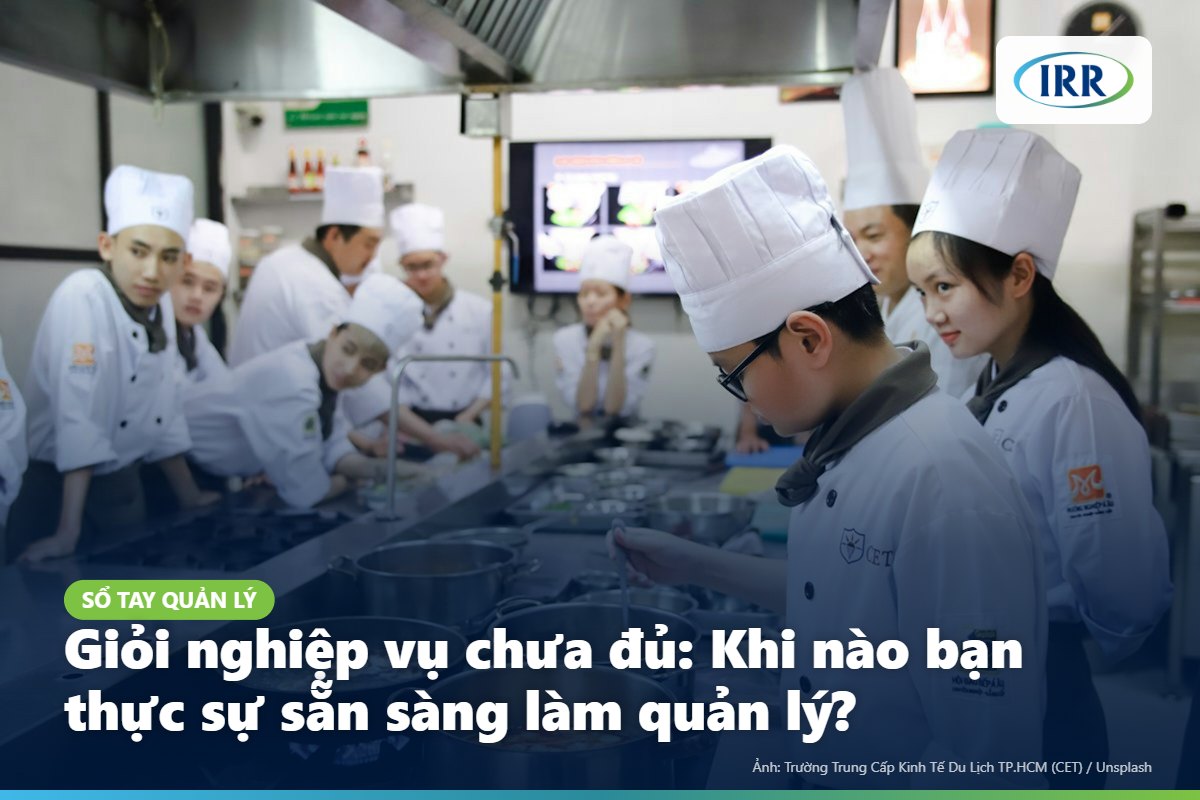
In a technical role, success is measured by individual results. In management, success is measured by other people's results: whether the whole shift runs smoothly, whether the team improves, whether costs stay within budget. A great server can carry five tables alone. A great manager makes sure five servers each carry their section well, even when the manager is not there.
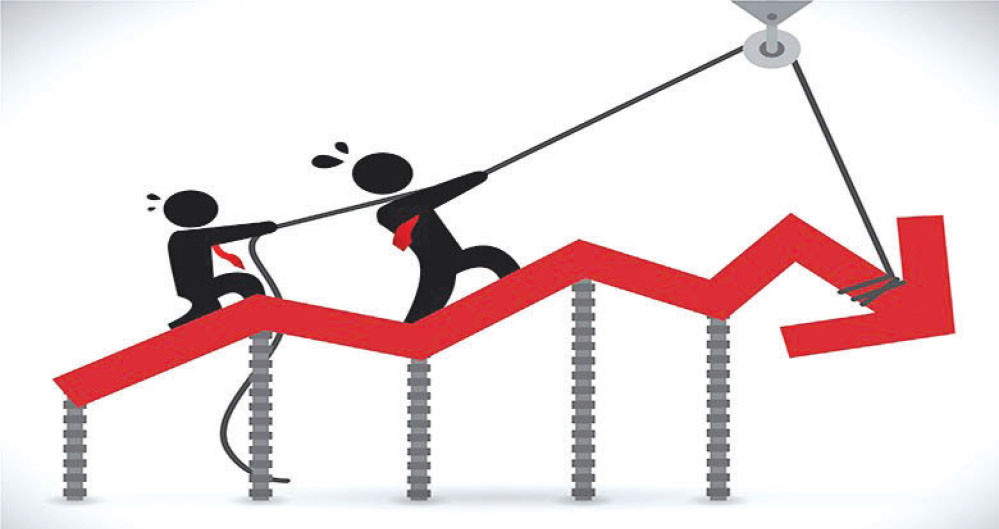
When someone is promoted only for technical skill, two things often happen: they keep doing their staff's work, or they manage by command because they have no other tools. Both exhaust the team and the new manager.
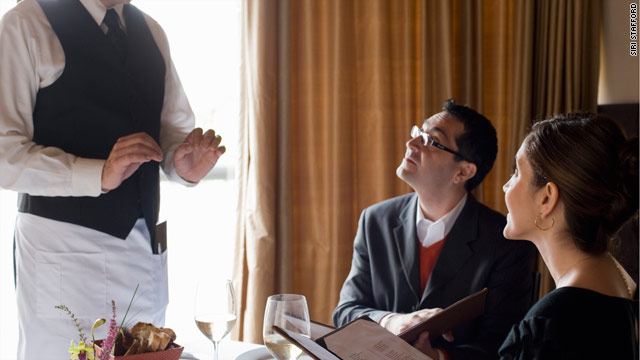
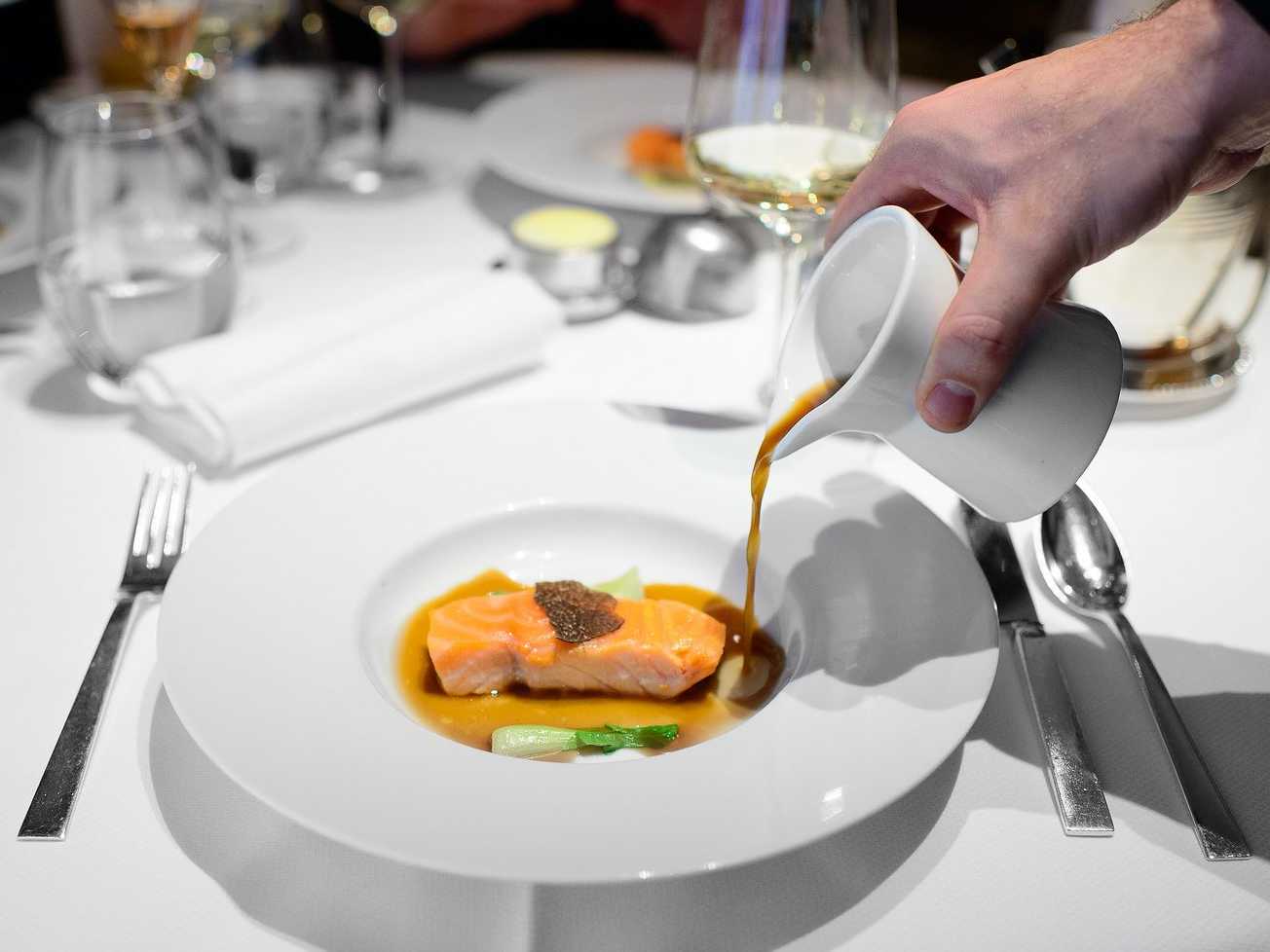
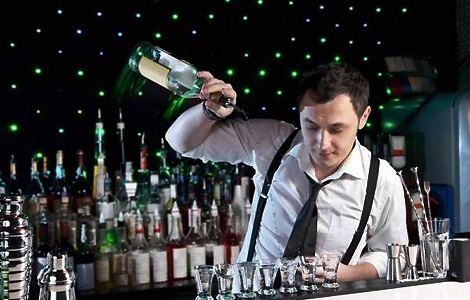
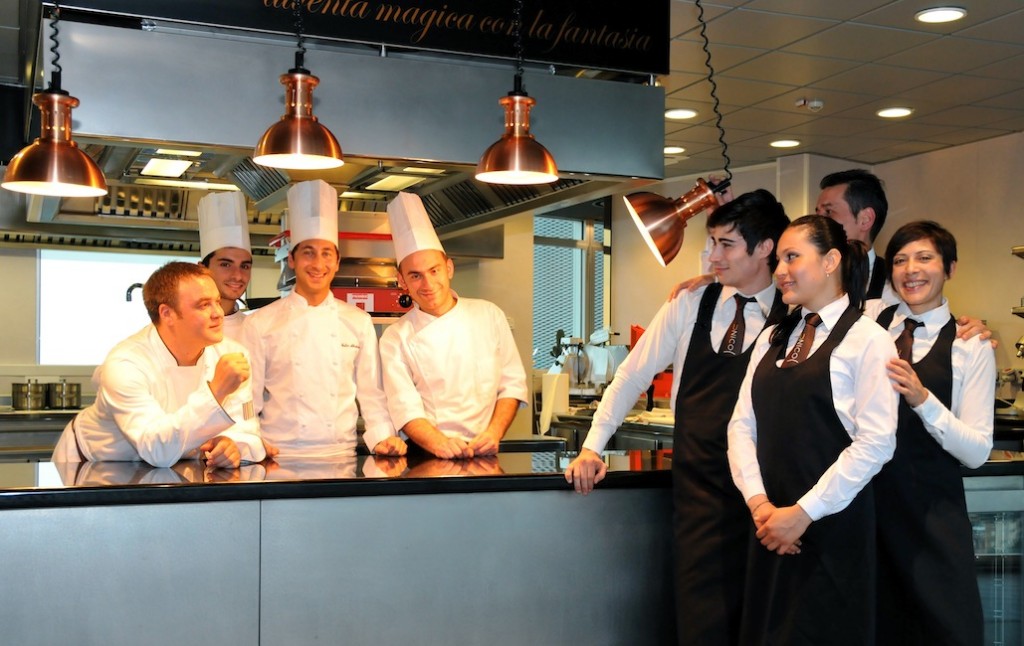
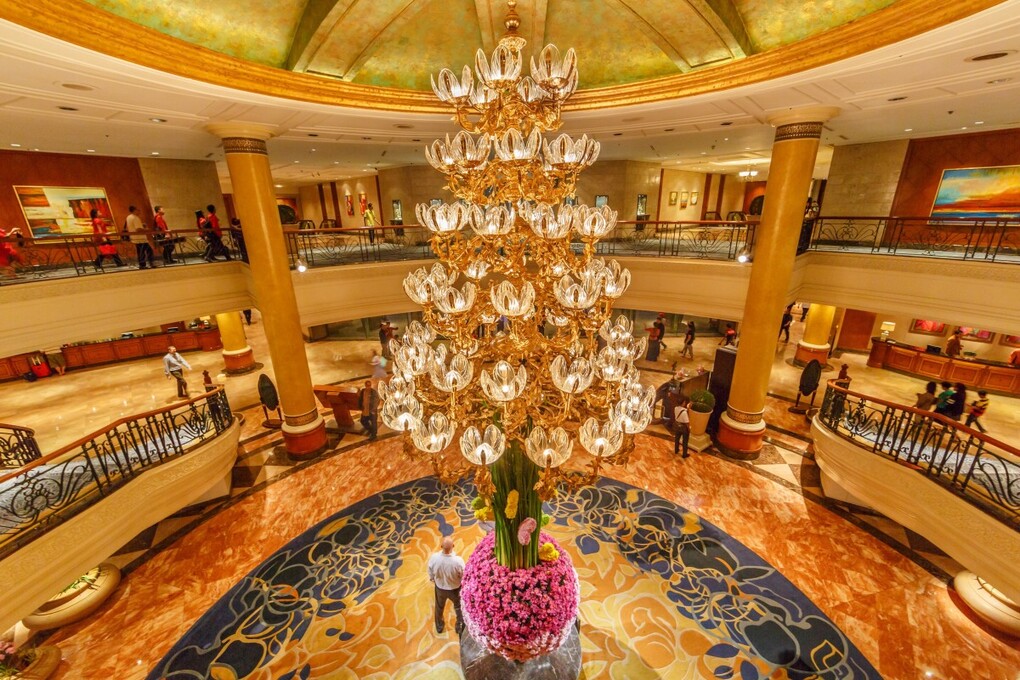
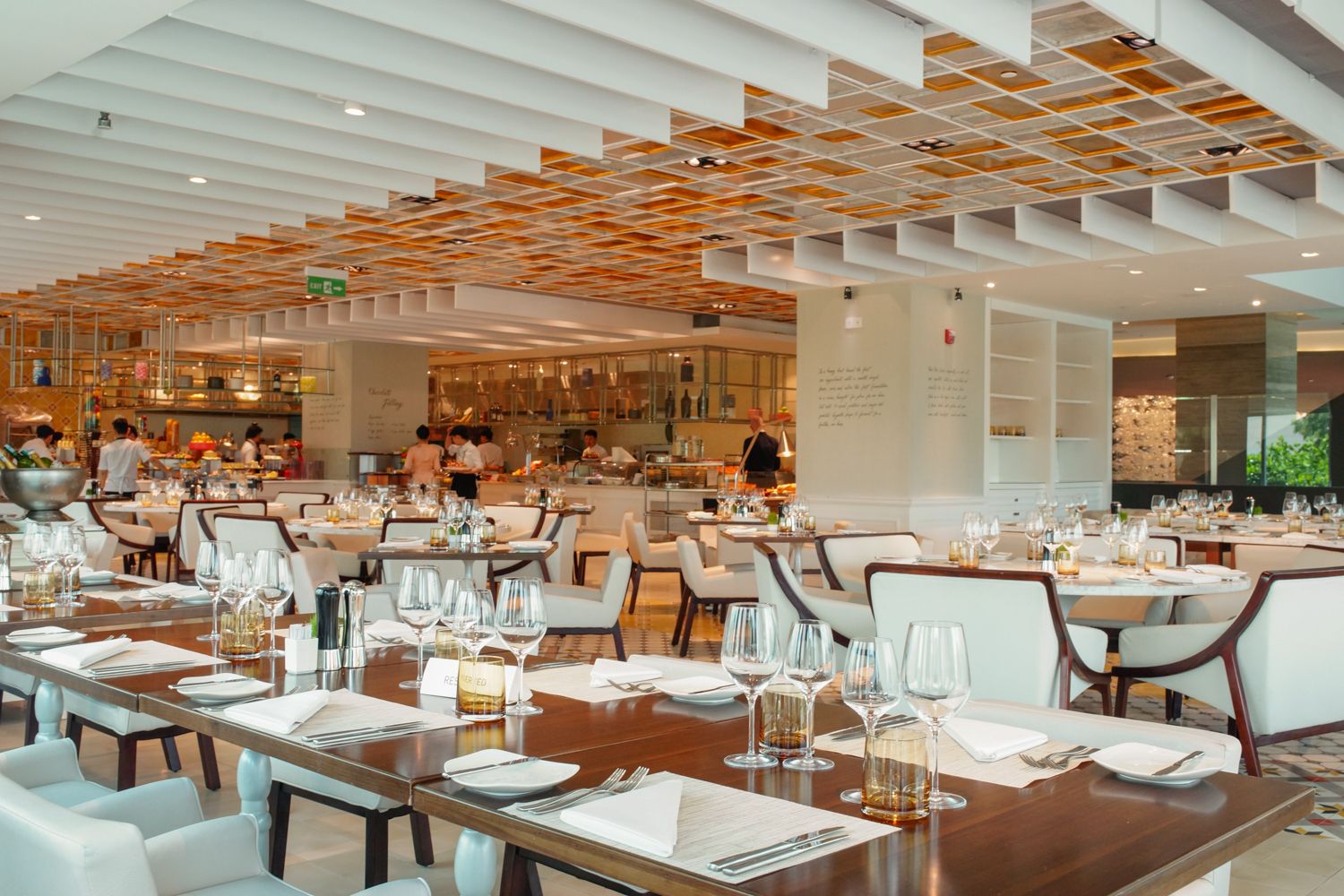
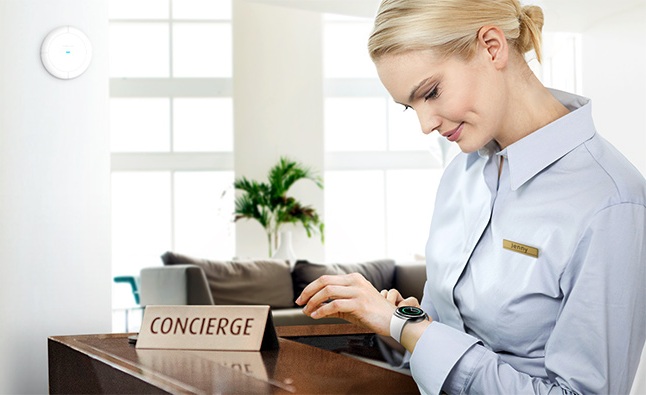
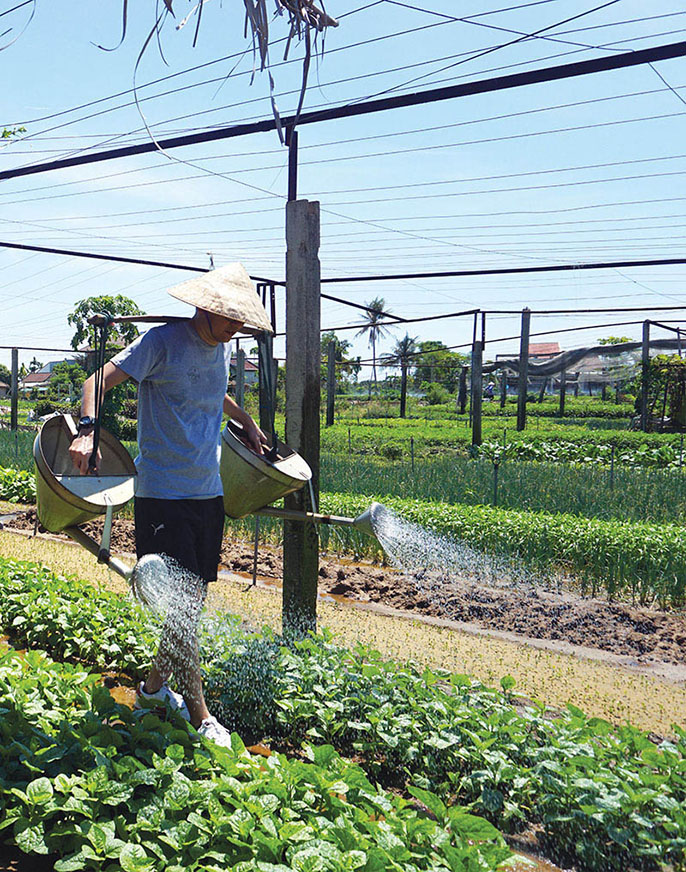
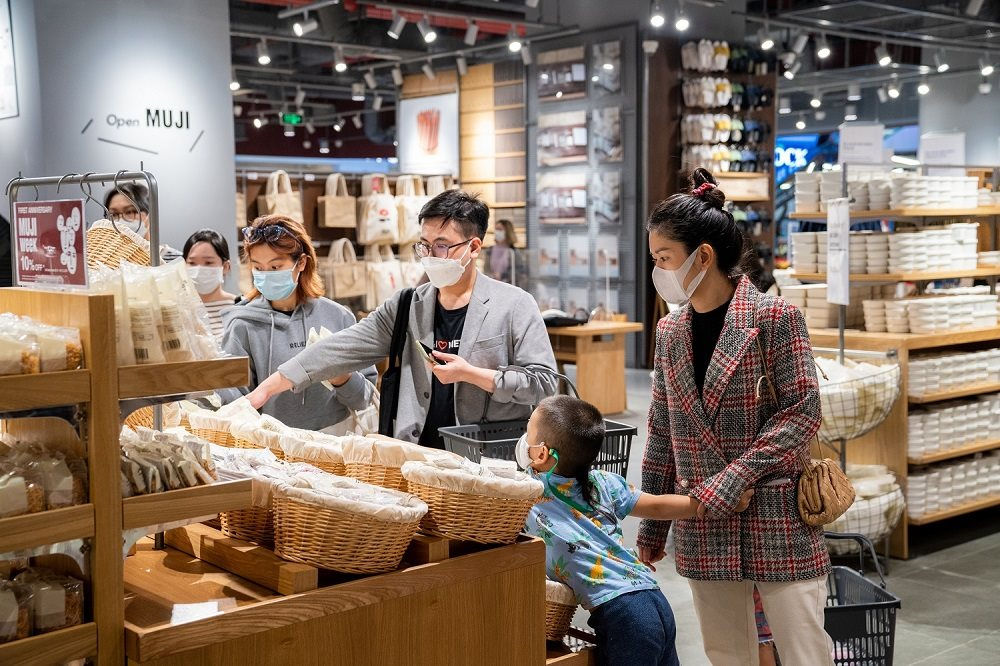
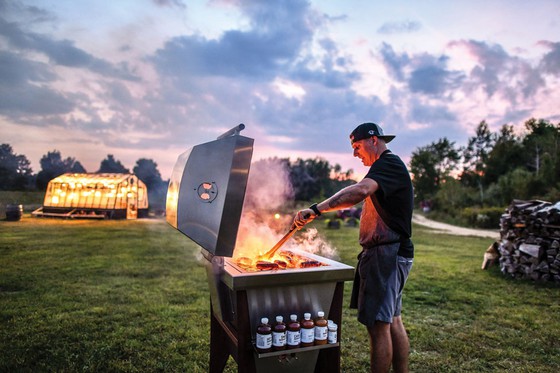
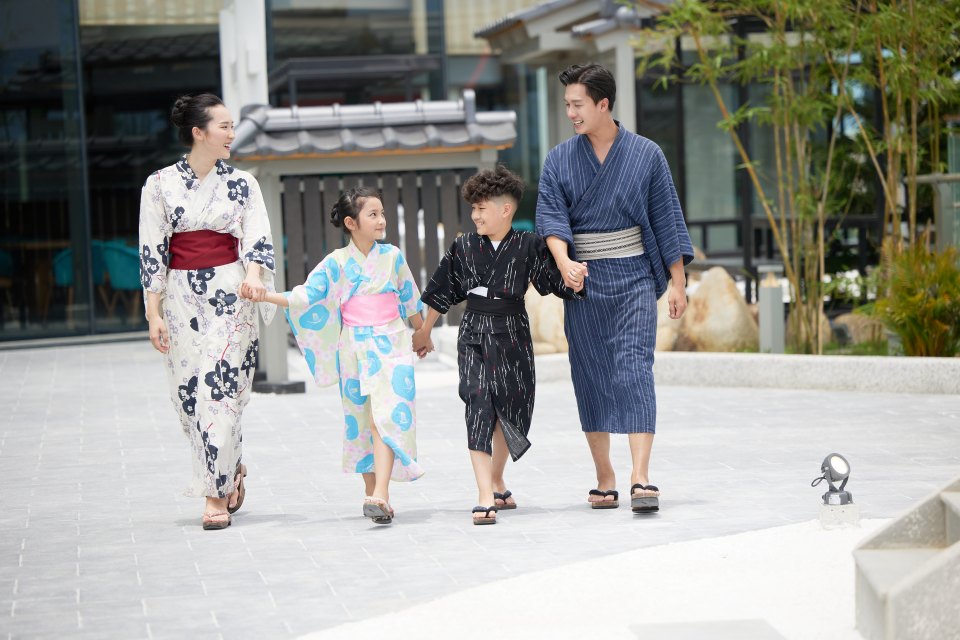
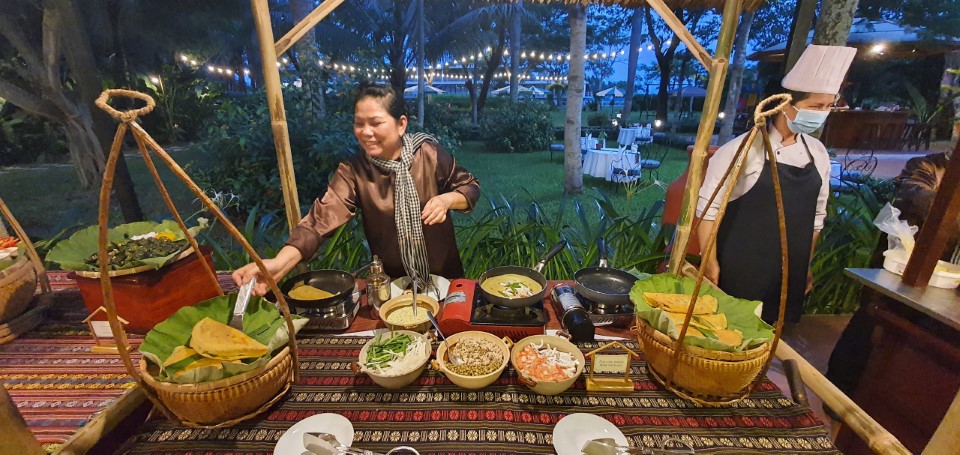
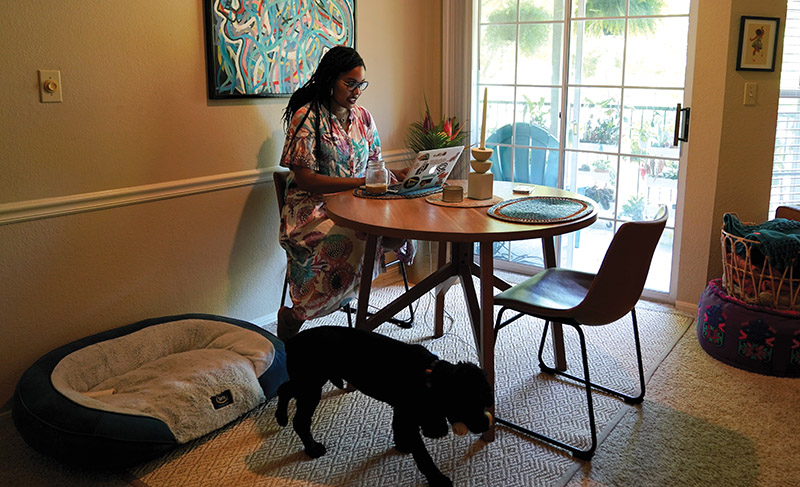
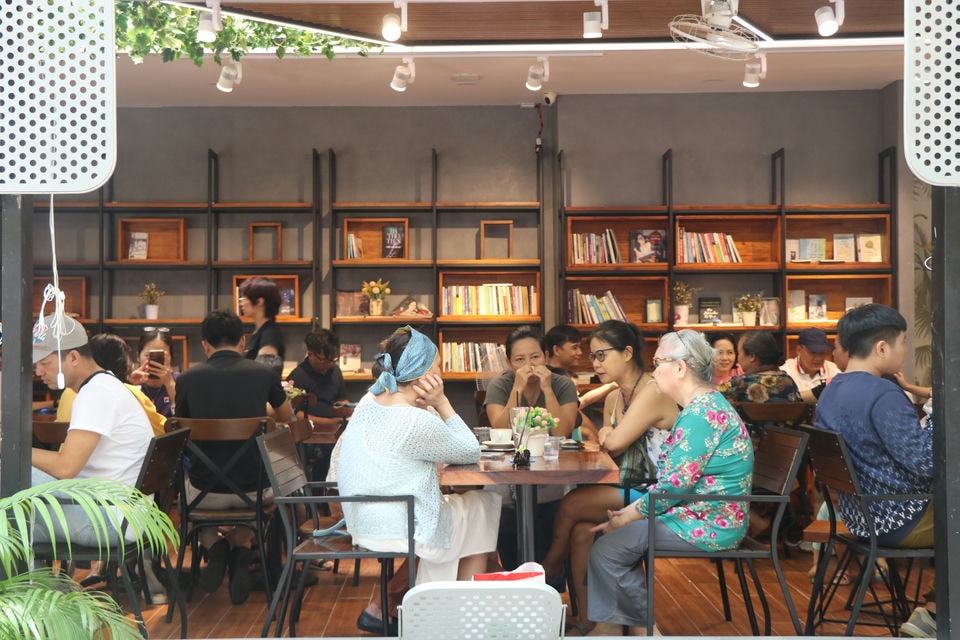
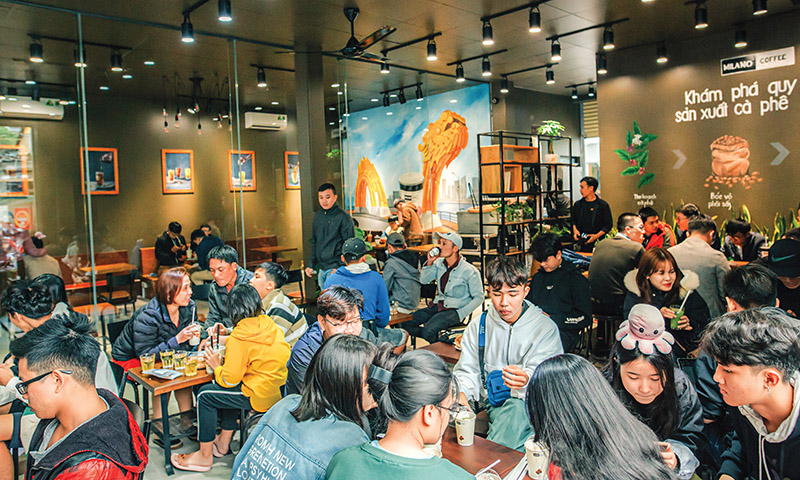
Người sẵn sàng làm quản lý nghĩ cho cả ca, không chỉ cho khu vực của mình · Ảnh: Vitaly Gariev / Unsplash
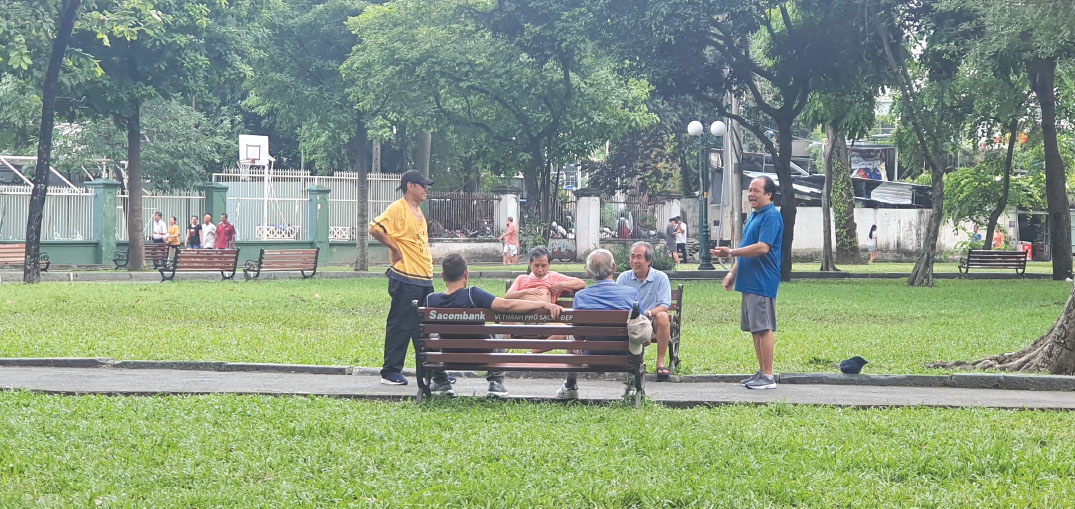
They notice a neighbouring table waiting too long or a new colleague struggling, and act or escalate. They move from "my job" to "our result".
Real influence appears before the title. If peers seek their advice, they already have credibility that no title can create.
They do not need to solve everything perfectly, but they know what to handle first, make a decision and own it.
They see how procedures affect cost, revenue and guest experience, and start caring about numbers such as labour cost, waste and average spend.
They can give feedback that is direct yet respectful, including to former peers or older colleagues.
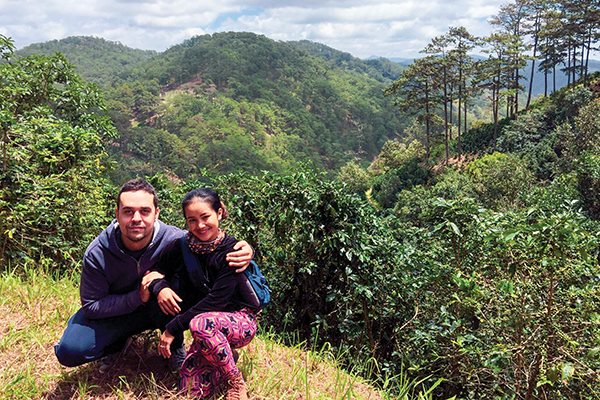
Good managers feel successful when their people grow. They share know-how, delegate and let others try and fail.
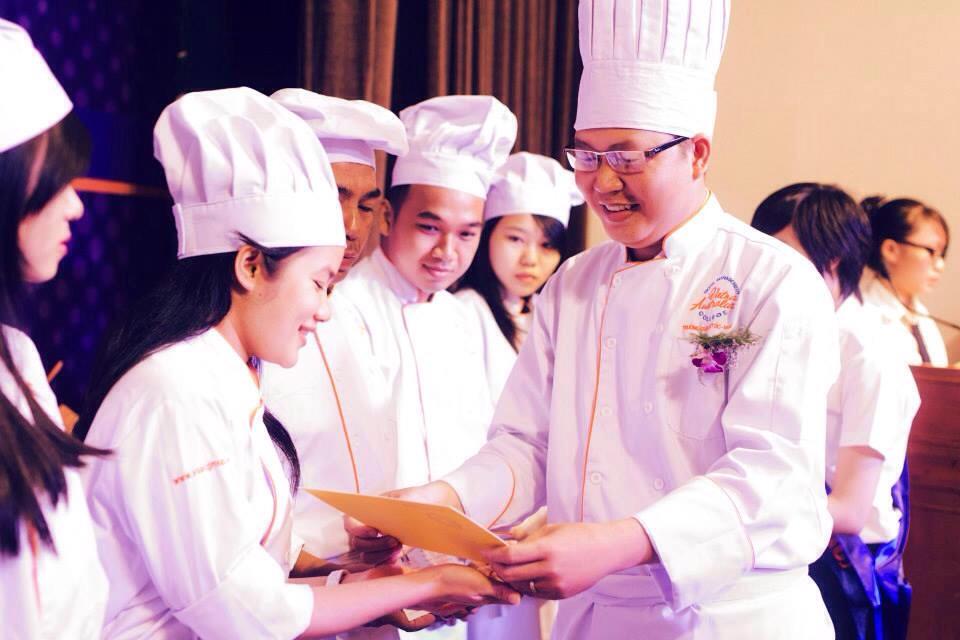
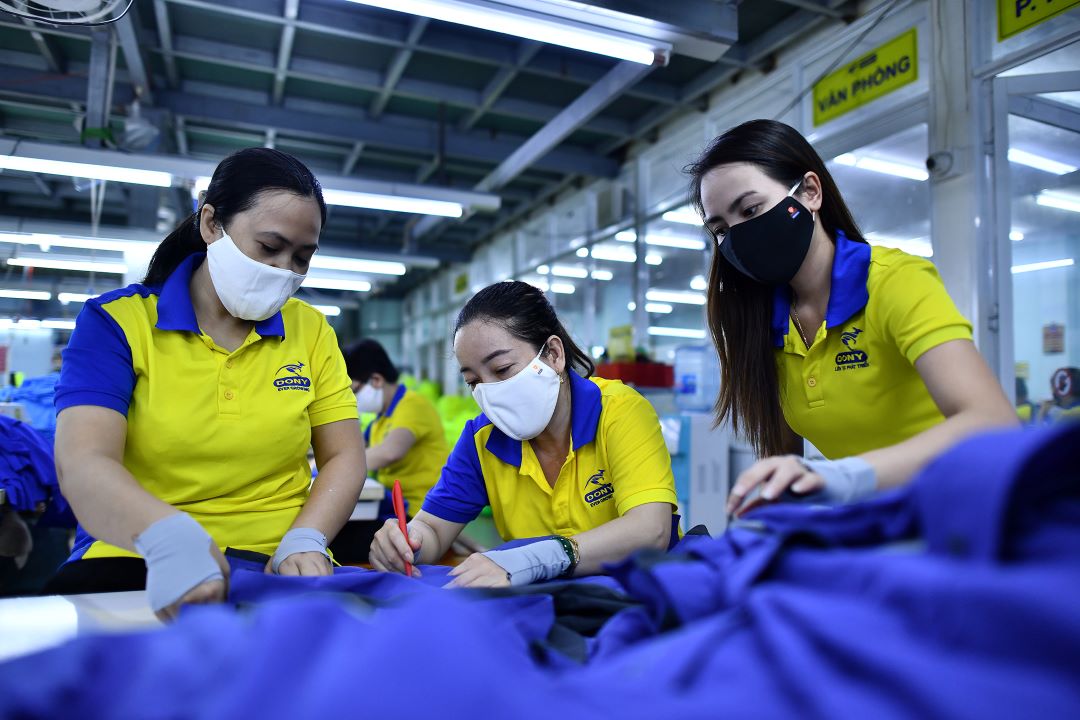
Quản lý giỏi muốn người khác giỏi hơn: kèm cặp và giao việc · Ảnh: Sweet Life / Unsplash
The gap between a skilled professional and a good manager is not years of experience but a way of seeing the work. What makes the difference is actively learning to get results through other people, which is why hospitality management development programmes, including those IRR designs for businesses and working professionals, focus on mindset and people-management skills rather than more technical training.
IRR Group – International Recreation & Resort Management

Telephone: 0909.140.866
Email: info@irrmanagement.com.vn