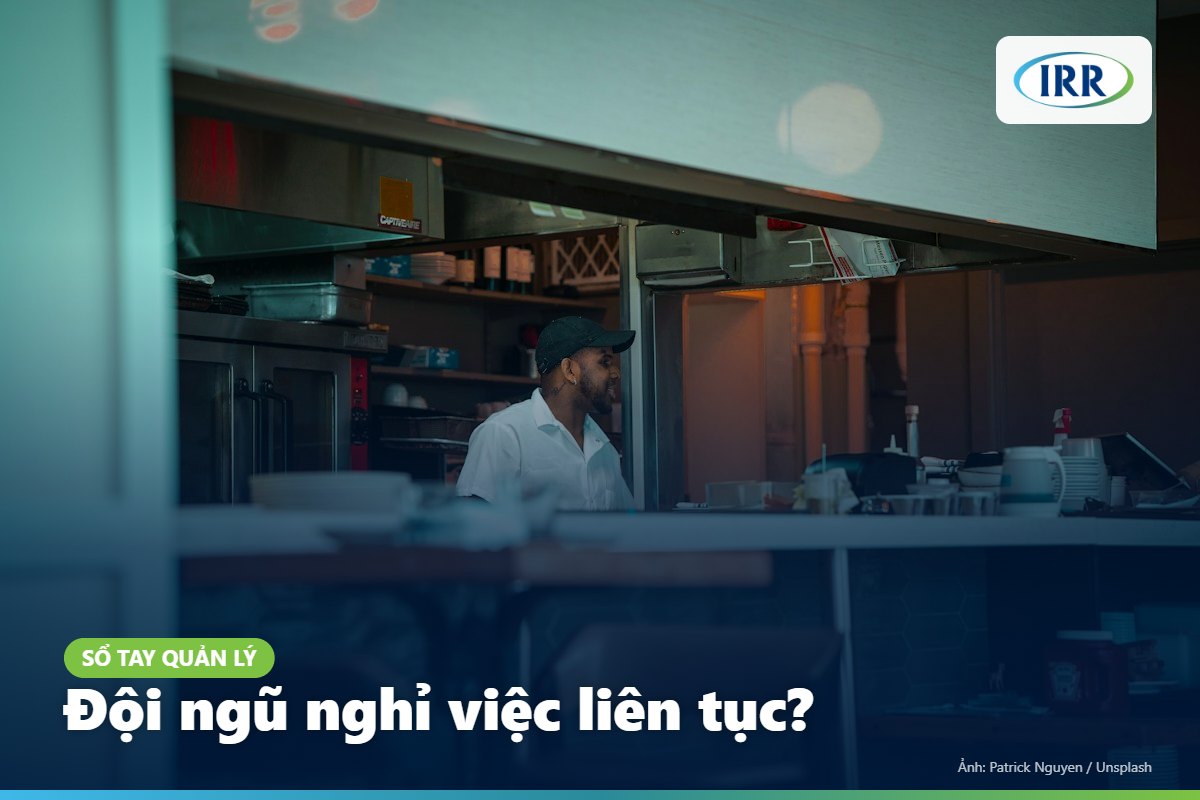
Your sous chef is the most skilled cook in the kitchen. Your shift leader is the one regulars ask for by name. Yet every time you introduce a new procedure, they nod and carry on the old way. For many hospitality managers, the "talented but won't listen" employee is harder to handle than a weak one: you cannot afford to lose them, and you cannot let them break the standard.

Trao đổi riêng, hỏi trước khi nói · Ảnh: Amy Hirschi / Unsplash
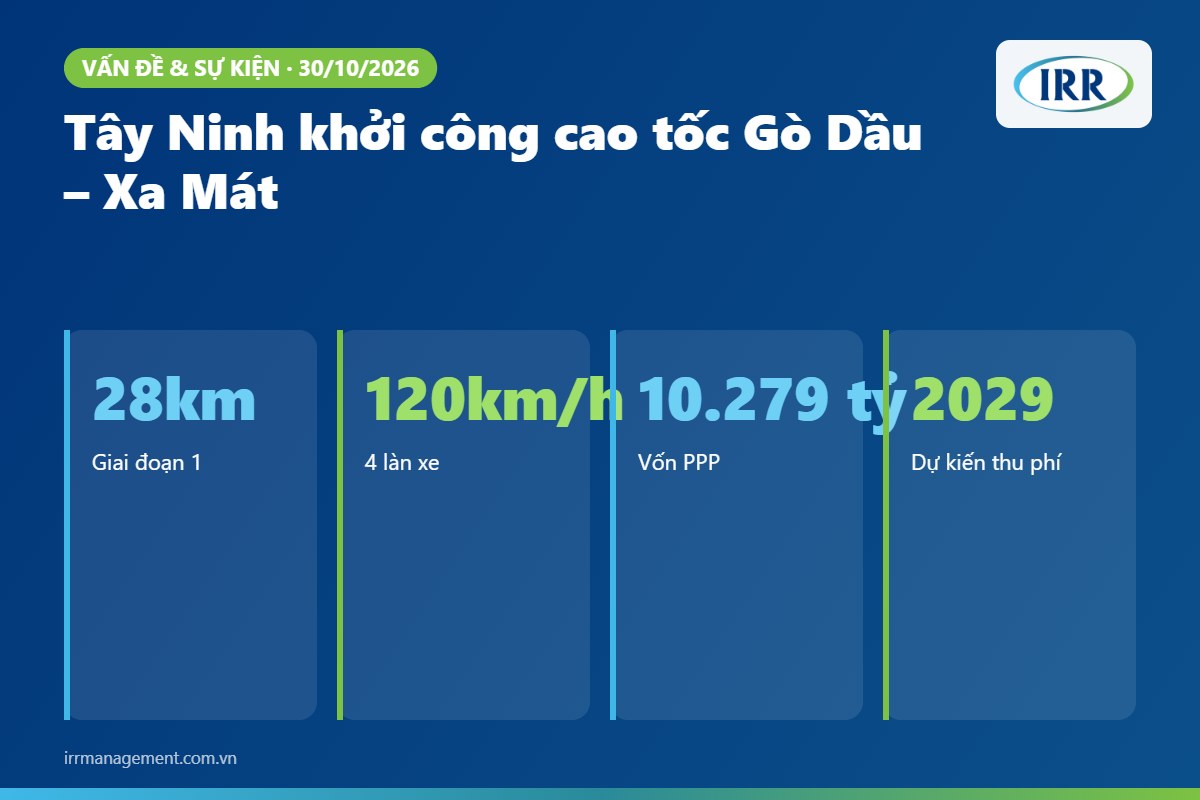
Gallup's State of the Global Workplace 2025 report found global employee engagement fell to 21% in 2024, while manager engagement itself dropped from 30% to 27%. Gallup has long shown that the direct manager shapes most of a team's engagement. So when a strong performer "won't listen", the first question is not "what is wrong with them?" but "what is missing in the management relationship?". Typical reasons: they believe their way works better; they were not consulted; they doubt the manager's expertise; expectations are vague; and there are no consequences either way.
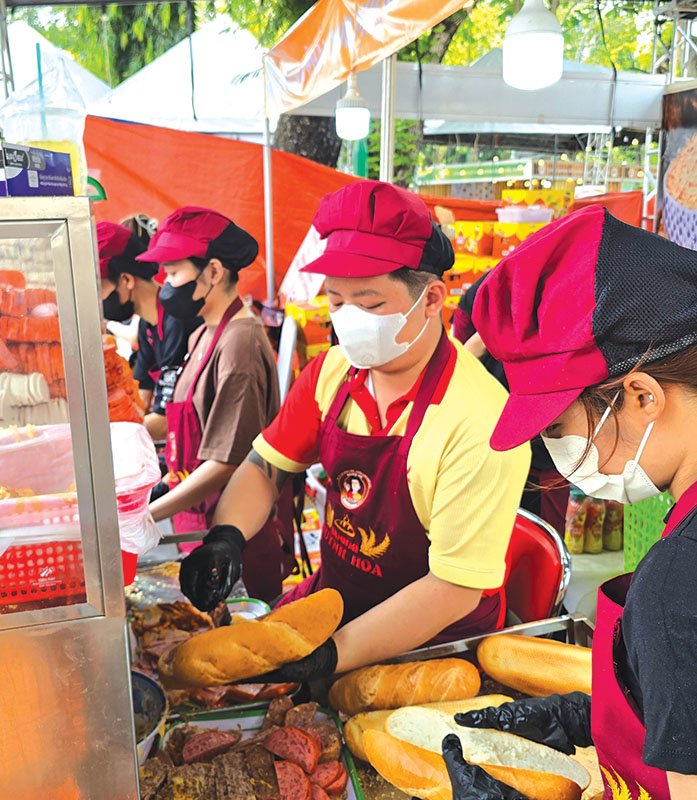
Giao vai trò hướng dẫn cho người giỏi · Ảnh: Trường Trung Cấp Kinh Tế Du Lịch TP.HCM (CET) / Unsplash
If the employee still deliberately breaks non-negotiables after explanation and support, hold a private, specific conversation: describe the behaviour, its impact, the expectation, the deadline and the consequence, and document it according to company HR procedures. Silence tells the whole team that talent buys exceptions.
Strong performers do not need a manager who is better at everything. They need one who is clear about standards, asks good questions, uses data and speaks directly when needed. These are learnable skills, at the core of the hospitality management development programmes IRR delivers with its partners.
Source: Gallup, State of the Global Workplace 2025 Report.
IRR Group – International Recreation & Resort Management

Telephone: 0909.140.866
Email: info@irrmanagement.com.vn