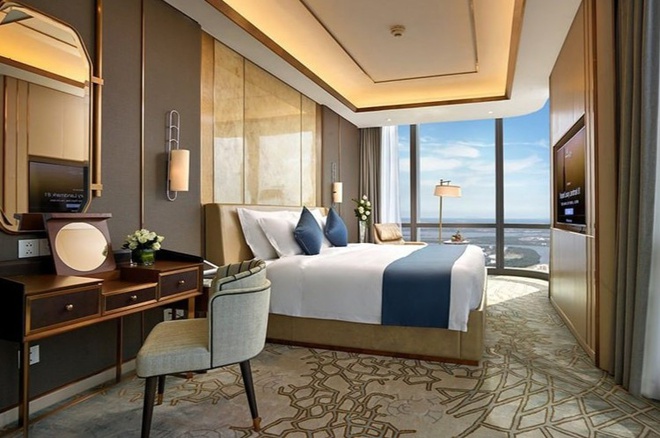
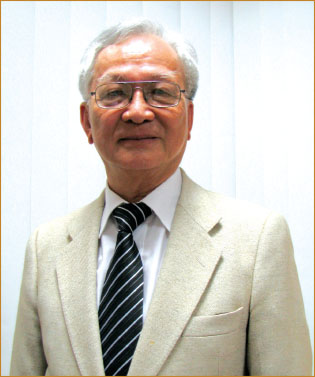
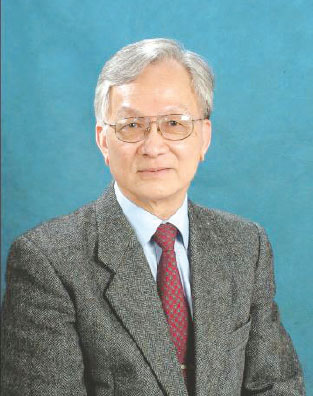
In 1961 a 125-room hotel opened on Jarvis Street in Toronto. Its founder was a young architectural technologist who had never run a hotel. More than six decades later, Four Seasons is a byword for luxury hospitality. Isadore "Issy" Sharp's story shows that a lasting service brand is built on culture before it is built in bricks and mortar.
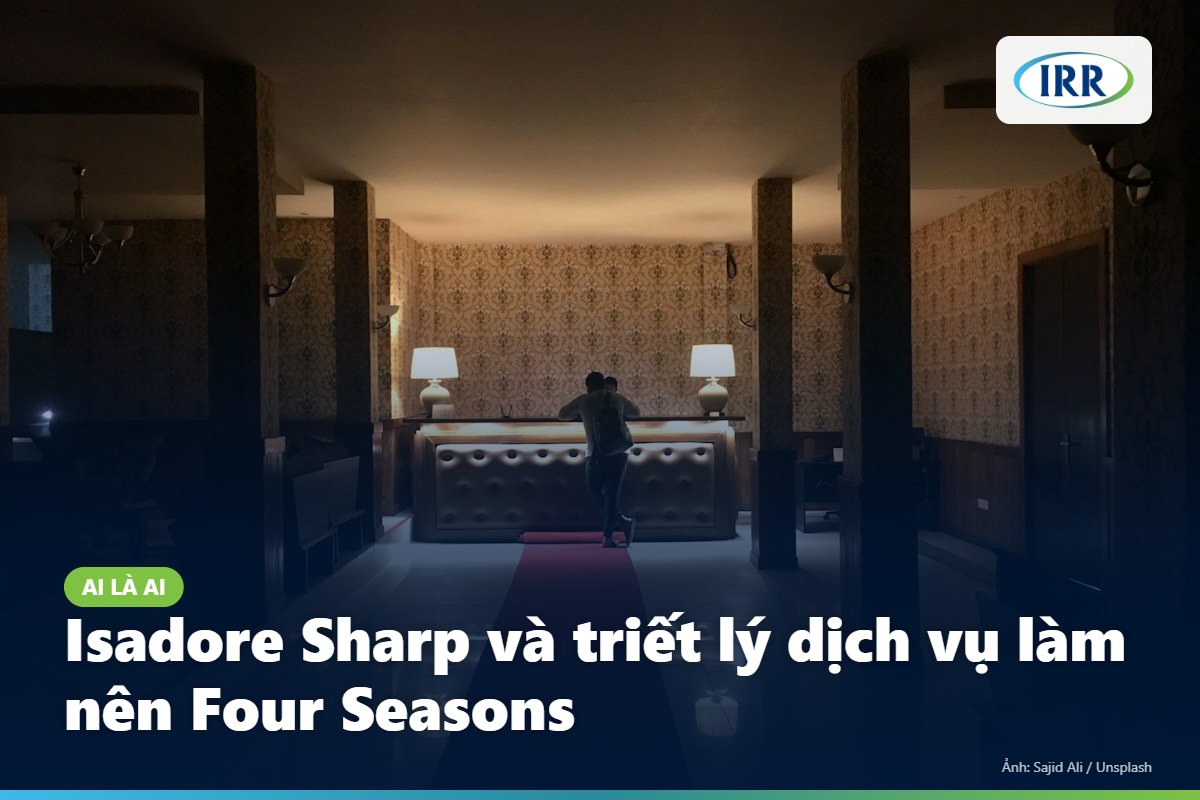
Born on 8 October 1931 in Toronto to Polish Jewish immigrant parents, Sharp graduated in architectural technology from Ryerson in 1952 and joined his father's construction and development business. Building a 22-unit motel introduced him to hospitality. He founded Four Seasons in 1960 and opened the first hotel, a 125-room motor hotel, in 1961.
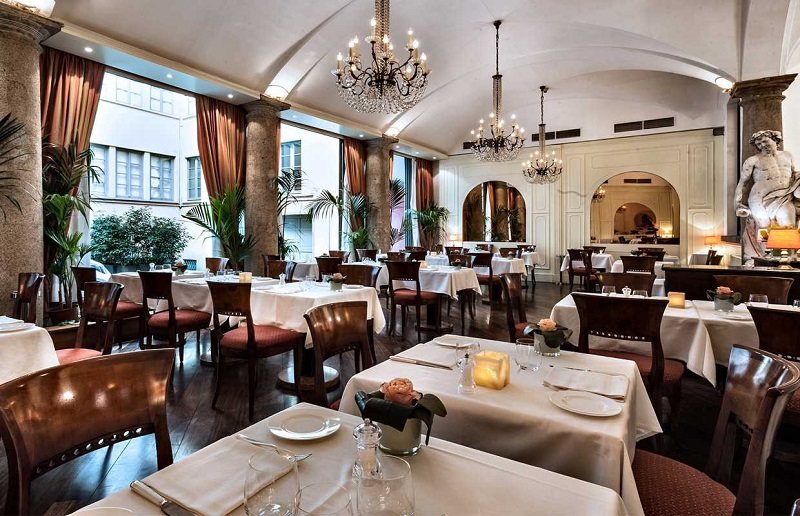
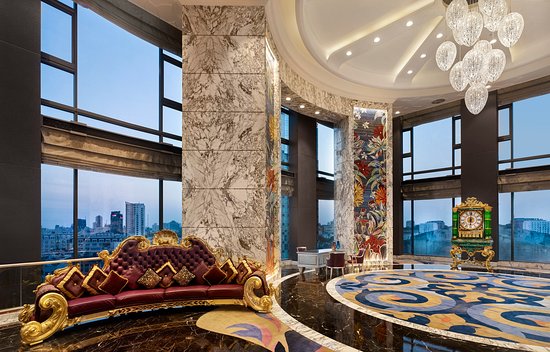
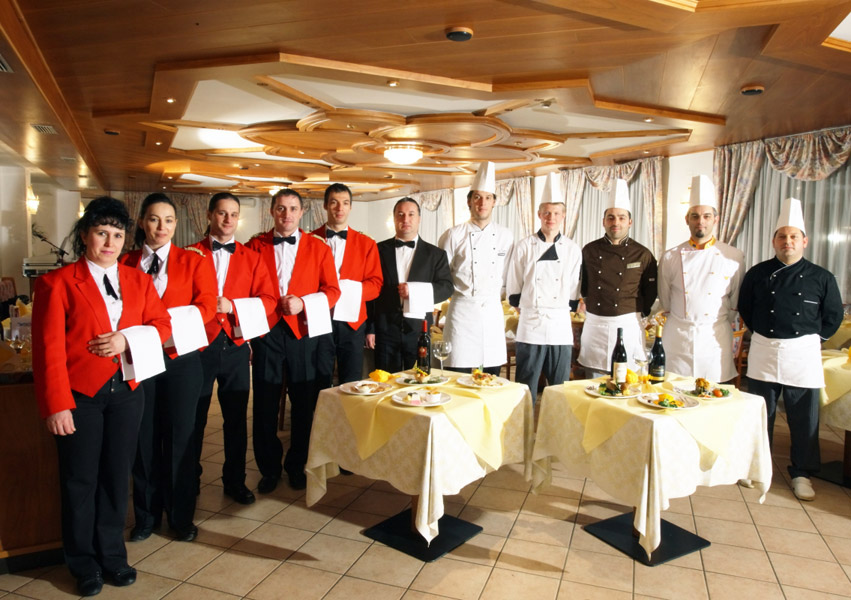
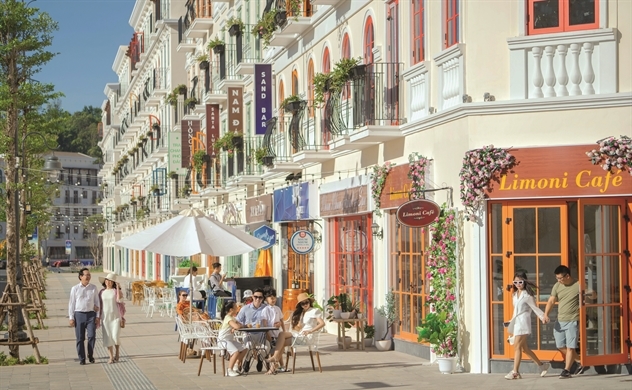
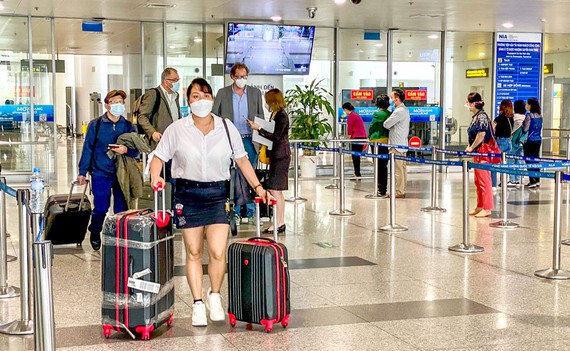
Ảnh minh họa: nhân viên đón khách trước một khách sạn Four Seasons (không phải ông Isadore Sharp) · Ảnh: wilson montoya / Unsplash
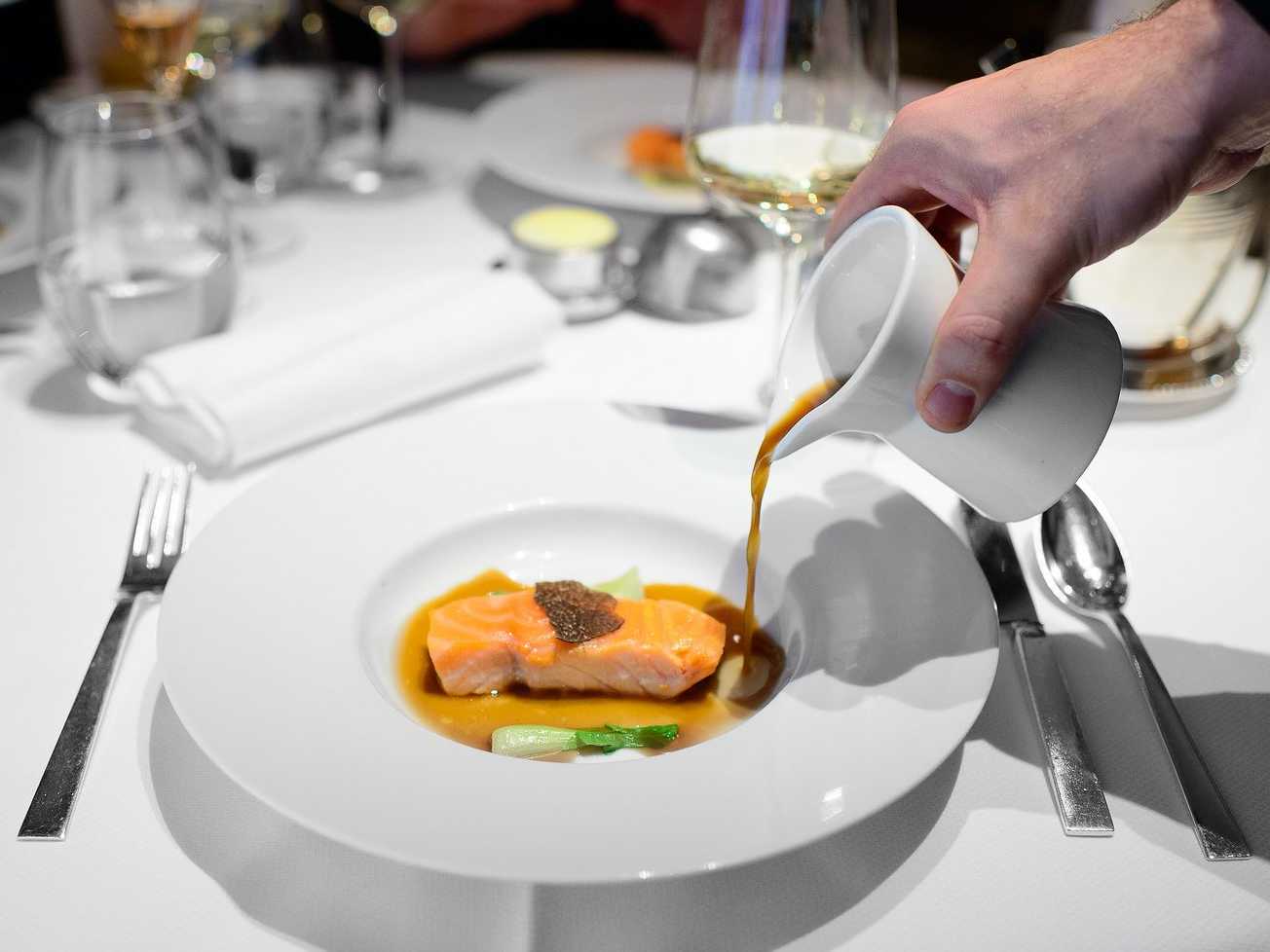
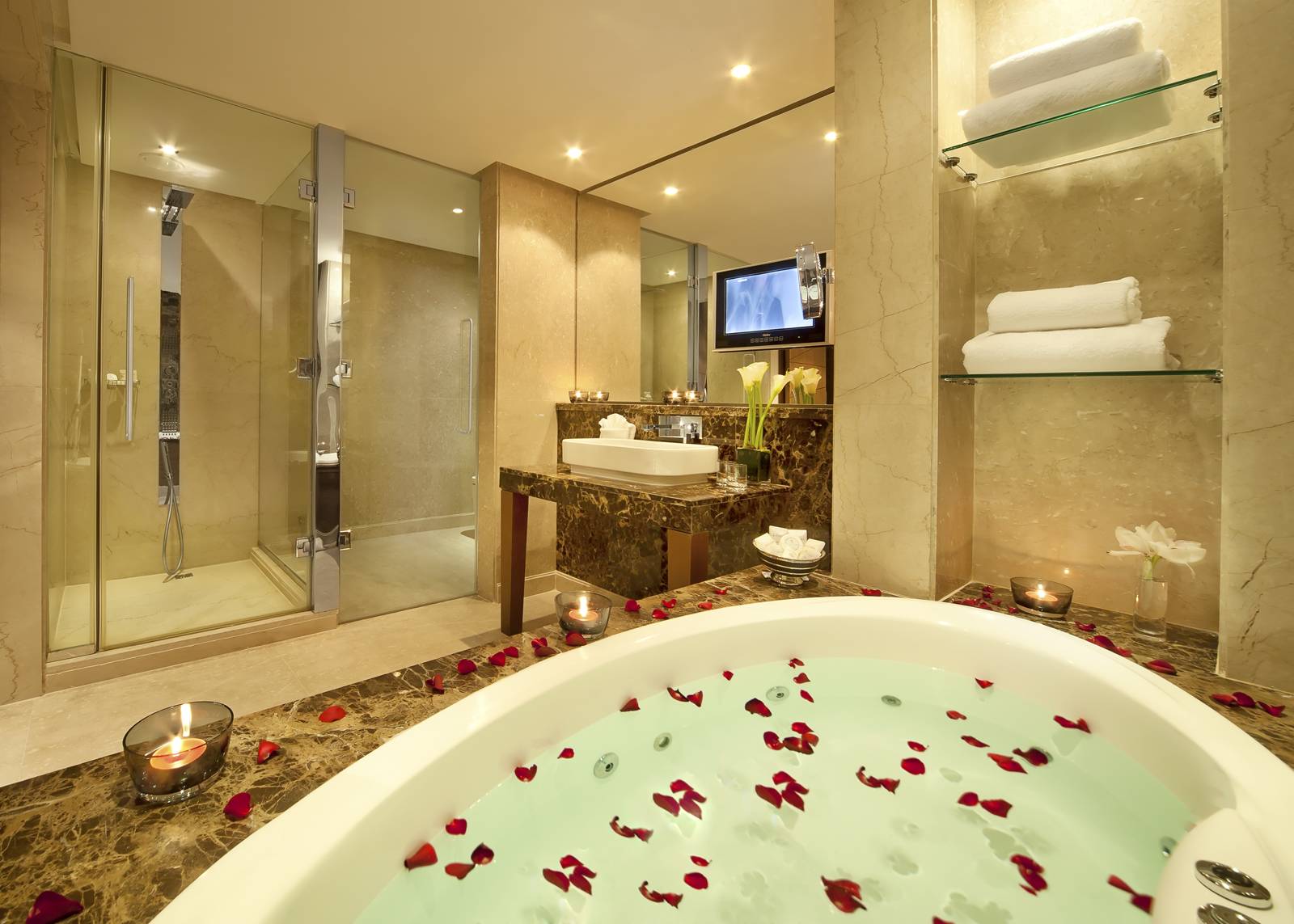
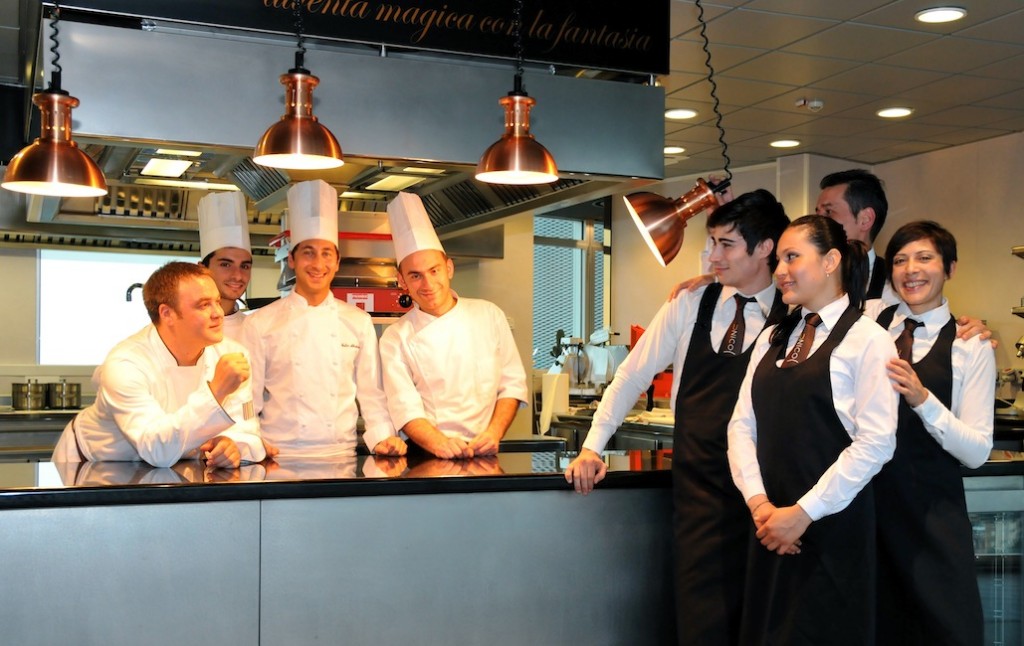
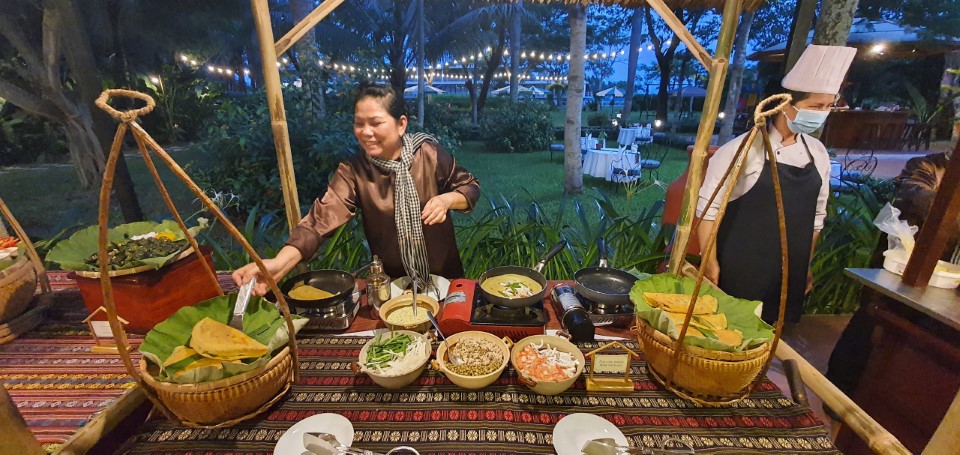
Dịch vụ, chứ không chỉ cơ sở vật chất, là điểm khác biệt của thương hiệu · Ảnh: Cory Bjork / Unsplash
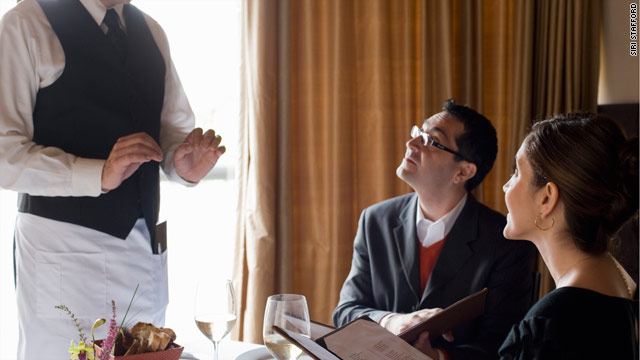
Sharp describes Four Seasons service as "an exchange of mutual respect performed with an attitude of kindness". Staff can only treat guests well when they themselves are treated well. In 2006 Cascade Investment and Kingdom Holding offered about USD 3.4 billion (excluding debt) to take the company private, which happened in 2007, a move Four Seasons says protected the brand's integrity. His story is told in Four Seasons: The Story of a Business Philosophy (2009).
Sharp's story is not about the most beautiful hotels but about turning a simple ethical principle into the operating system of a global company, a lesson worth reflecting on as Vietnamese hospitality enters an era of competing on quality.
IRR Group – International Recreation & Resort Management

Telephone: 0909.140.866
Email: info@irrmanagement.com.vn