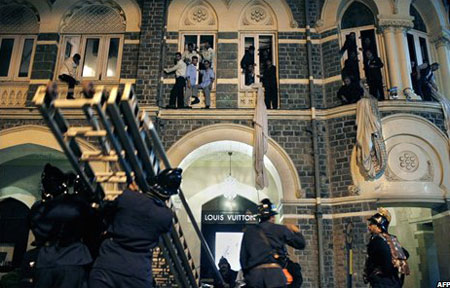
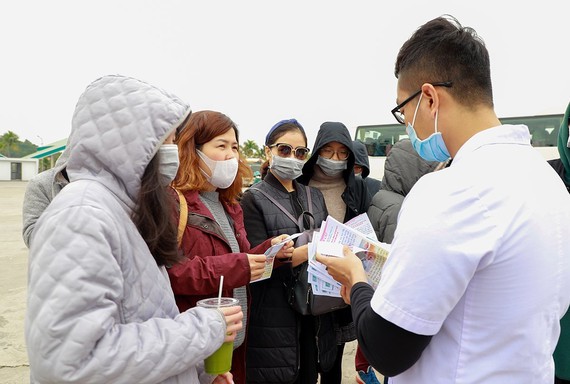
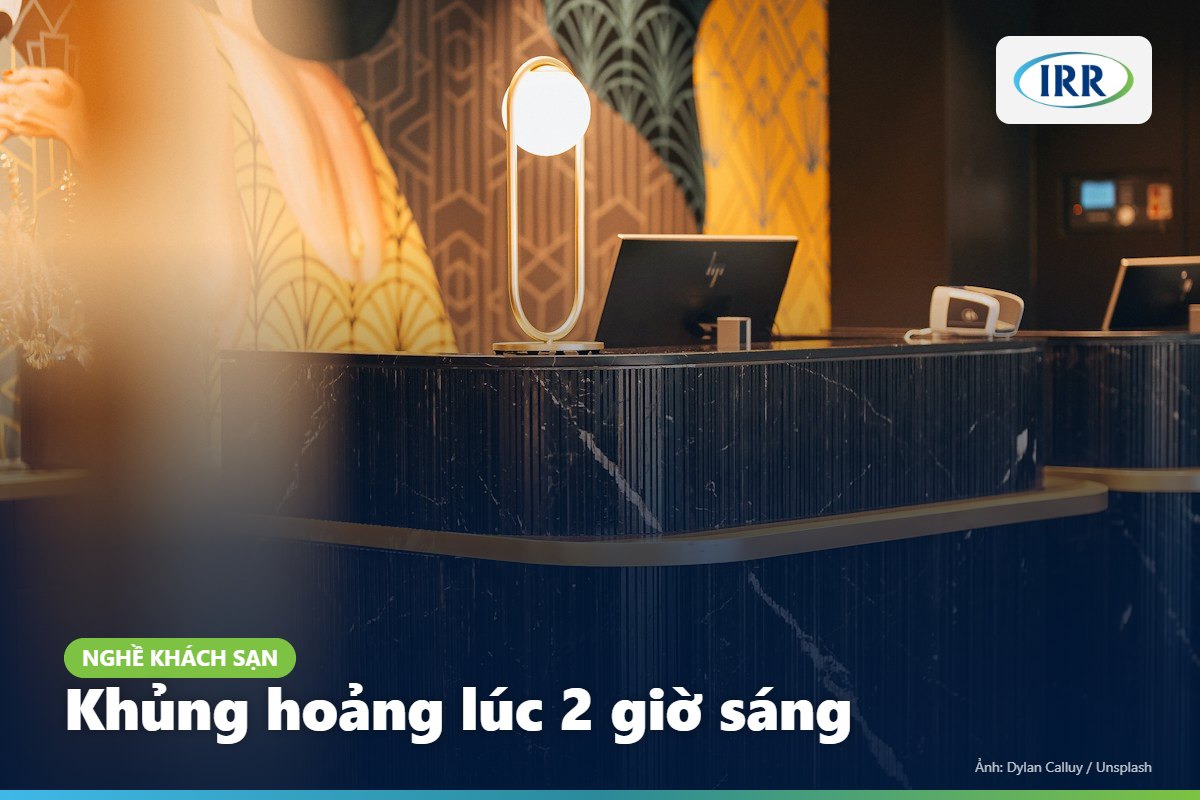
2 a.m.: the fire alarm on the 7th floor goes off. At the same time, an intoxicated guest is pounding on a neighbour's door, and the night front desk has only two people. Every hotel has an emergency plan in a binder; what matters is whether the night team knows what to do in the first five minutes.
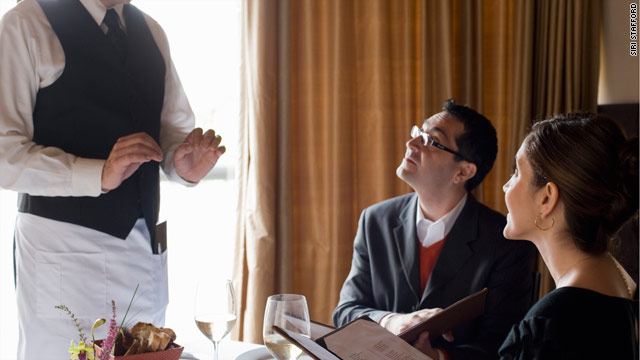
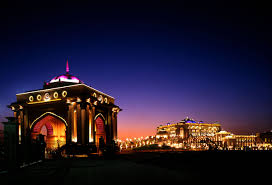
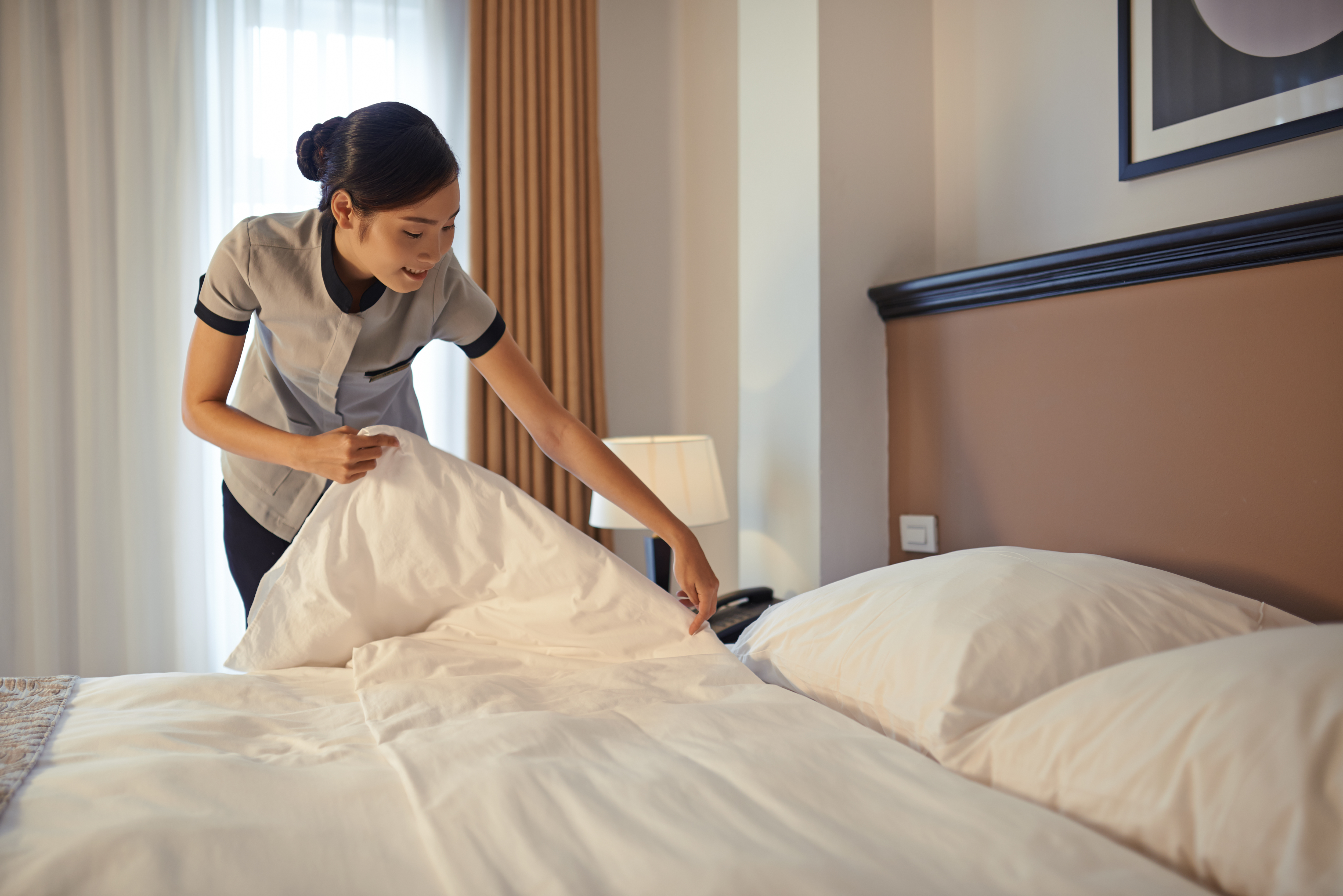
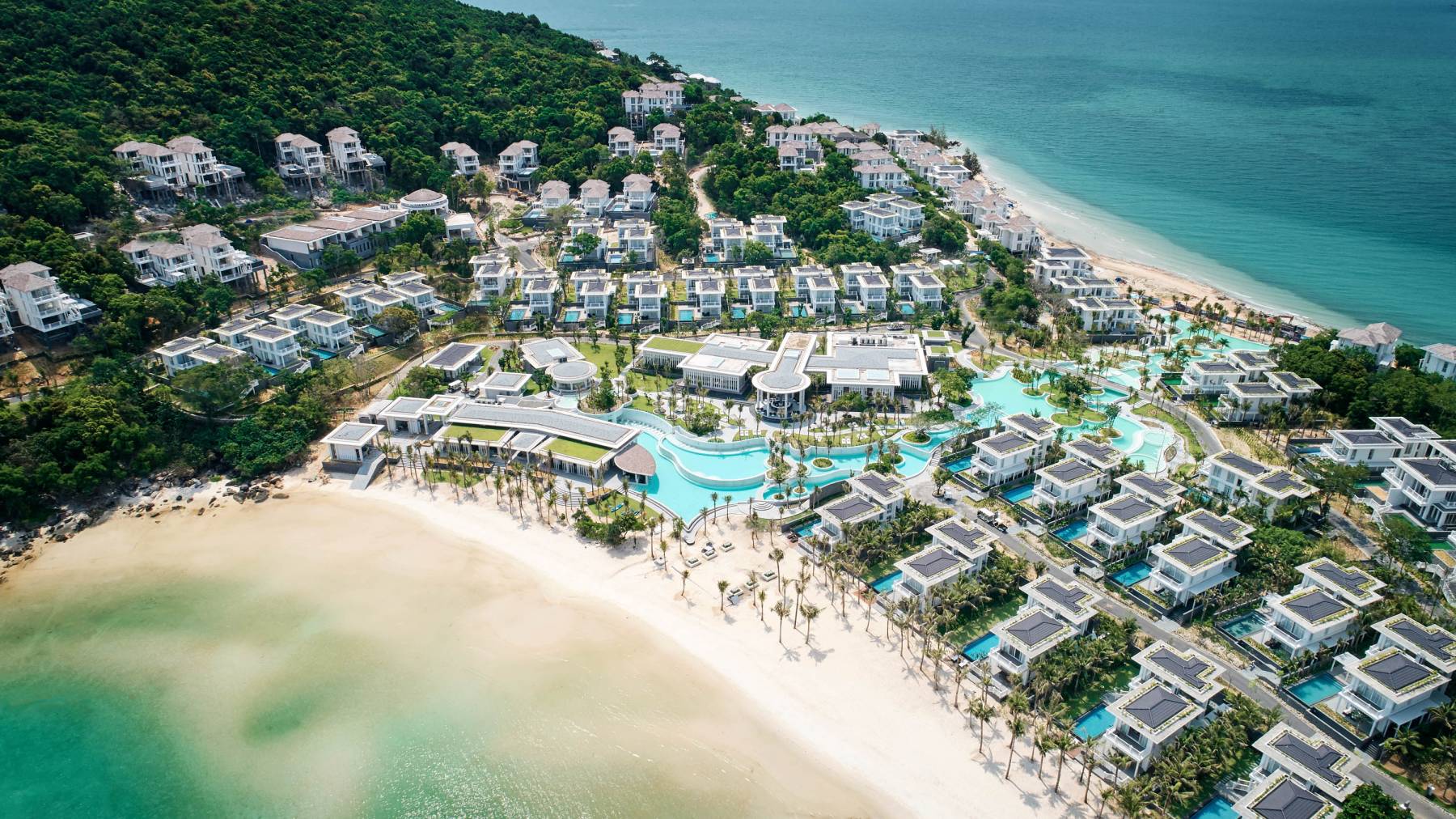
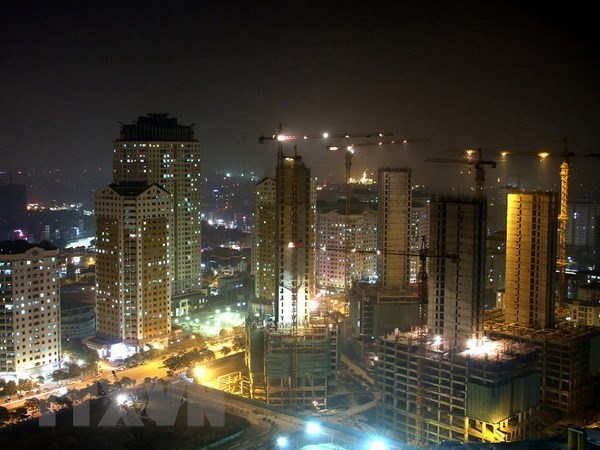
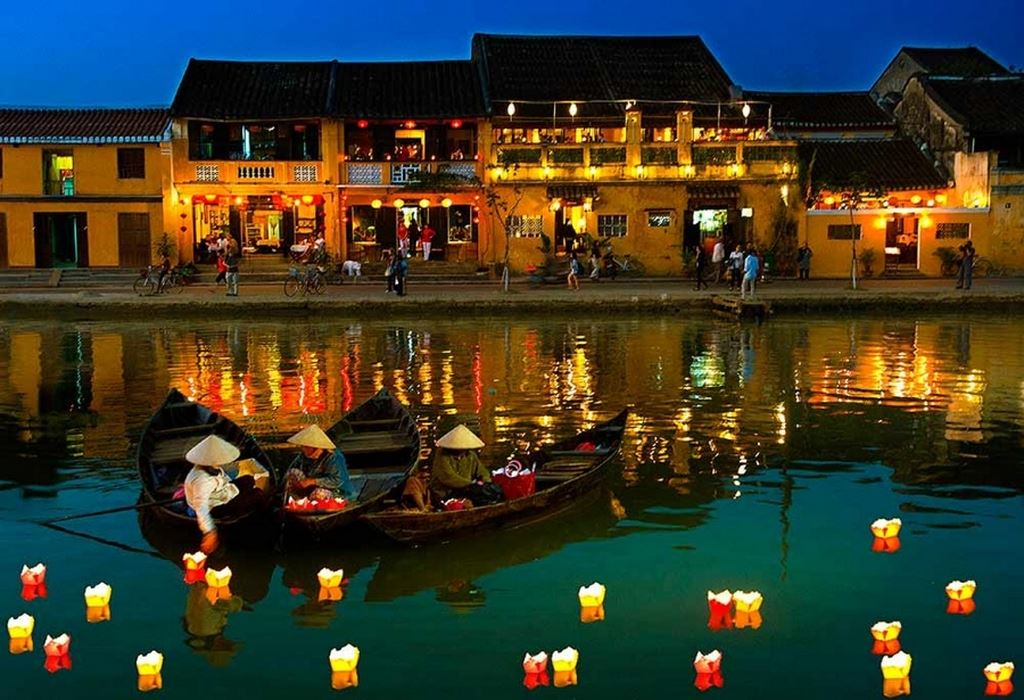
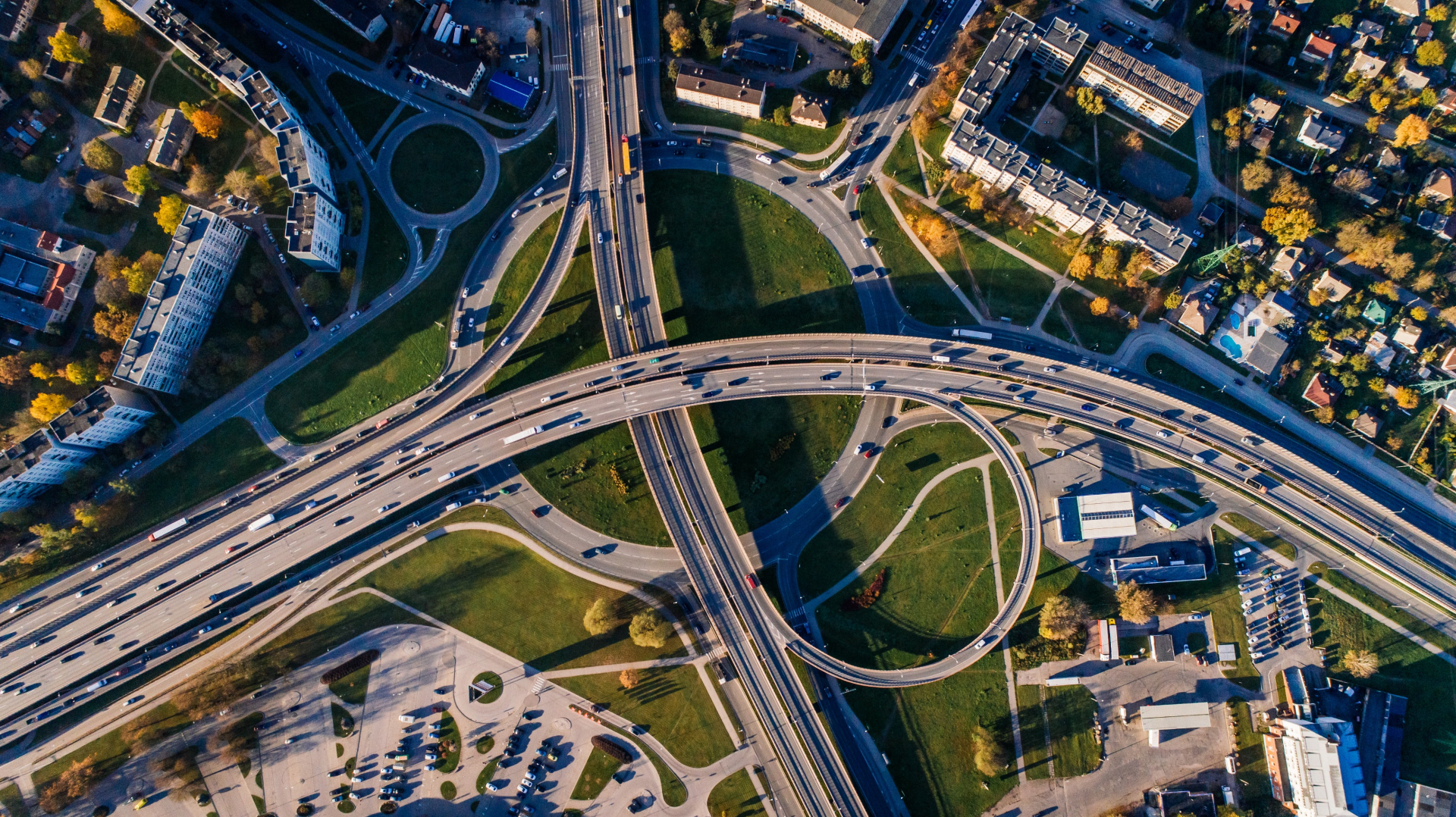
Ca đêm: ít người nhất nhưng sự cố không chọn giờ · Ảnh: Dmitry Spravko / Unsplash
Night shifts have the fewest staff and the least management cover, while serious incidents (fire, power cuts, medical emergencies, theft, conflict, water leaks) can happen at any hour. Common weaknesses: unclear decision rights, scattered information, and drills that are only run in daytime.
Larger hotels assign a Duty or Night Manager responsible for the whole property out of hours. Smaller hotels can give this role to the night shift leader, but the authority must be in writing: to call emergency services (114 fire & rescue, 115 ambulance, 113 police in Vietnam), to evacuate, and to approve emergency spending within a set limit.
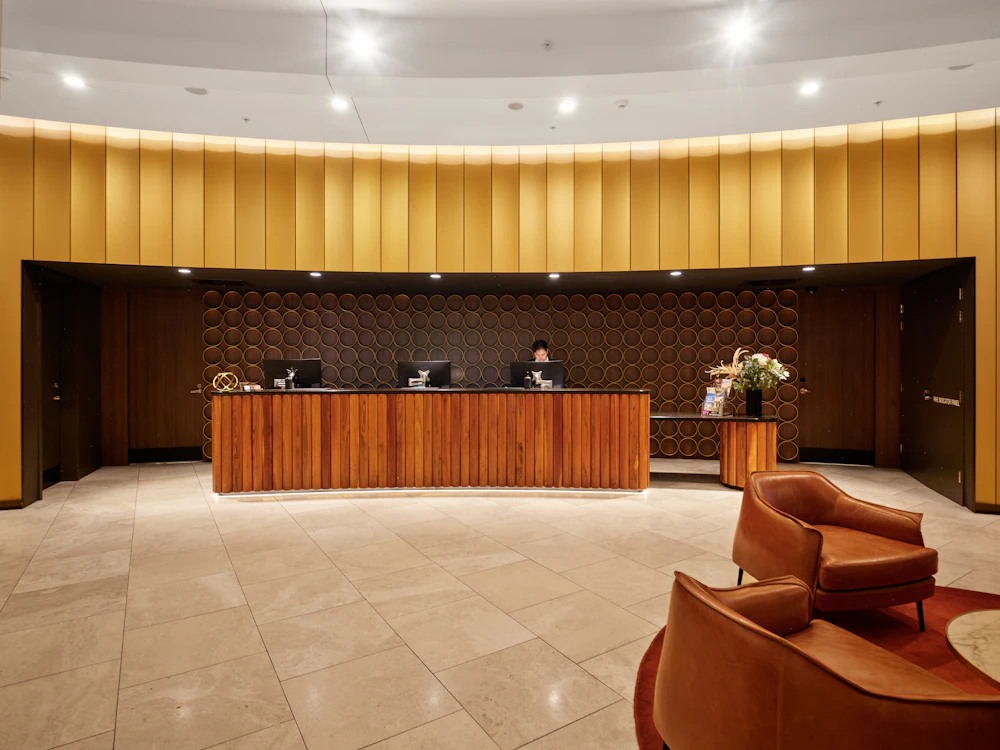
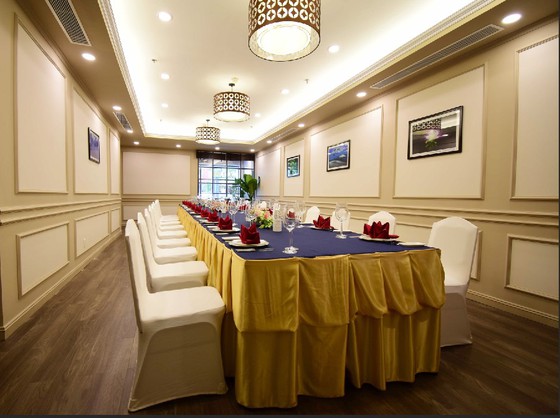
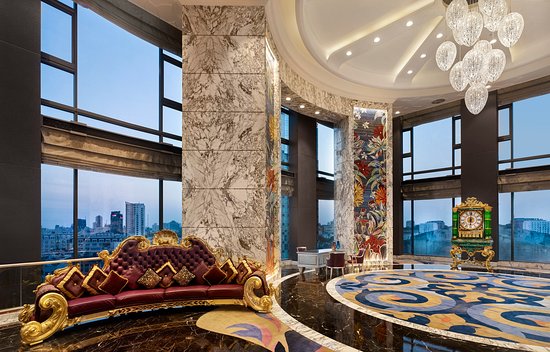
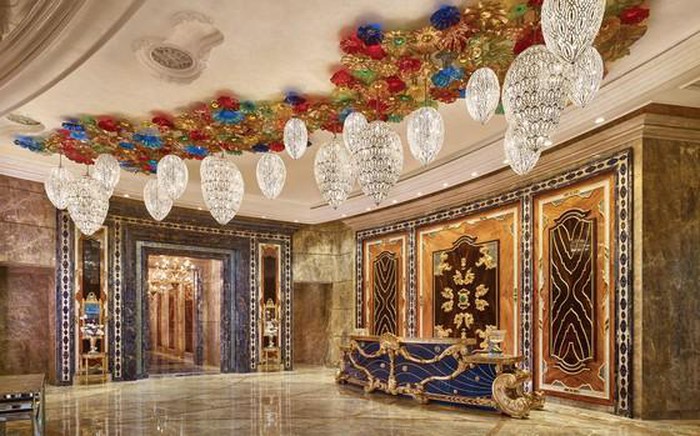
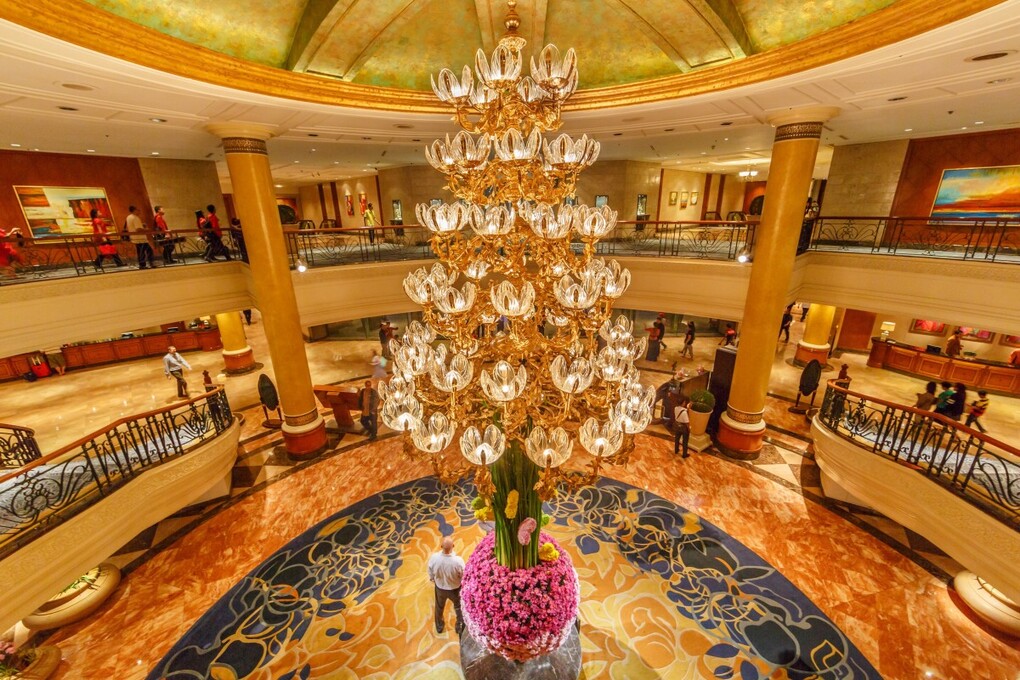
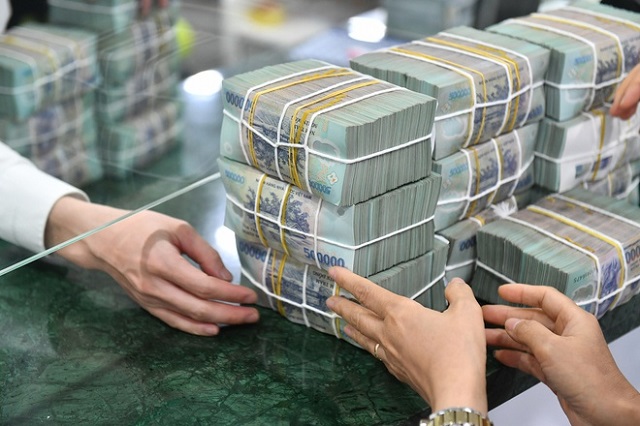
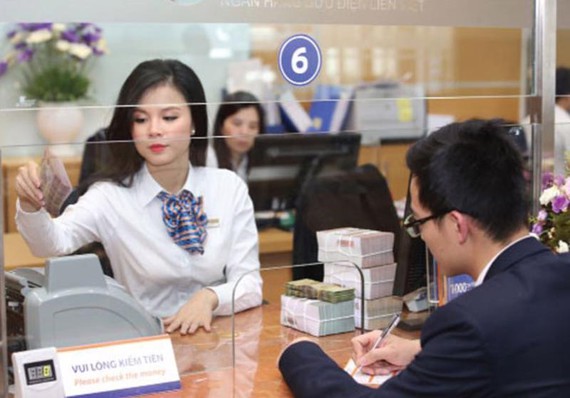
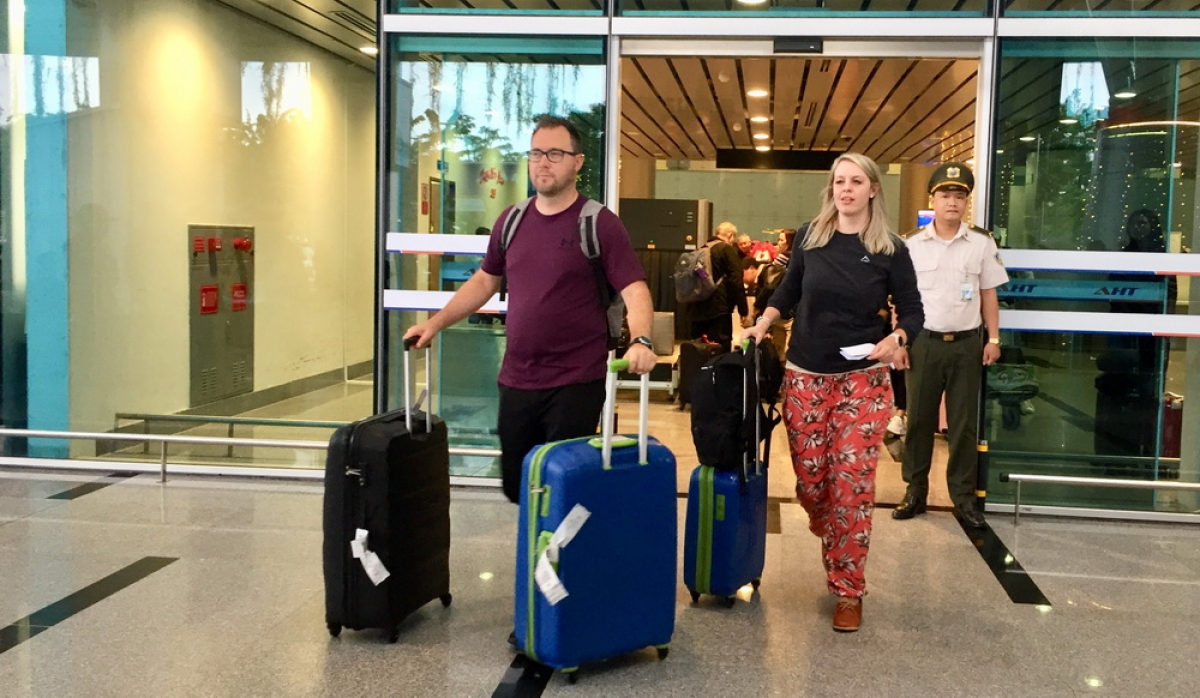
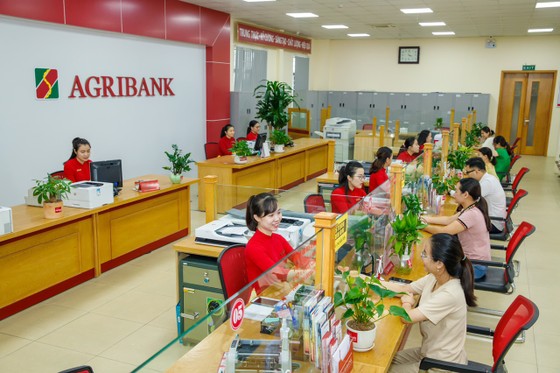
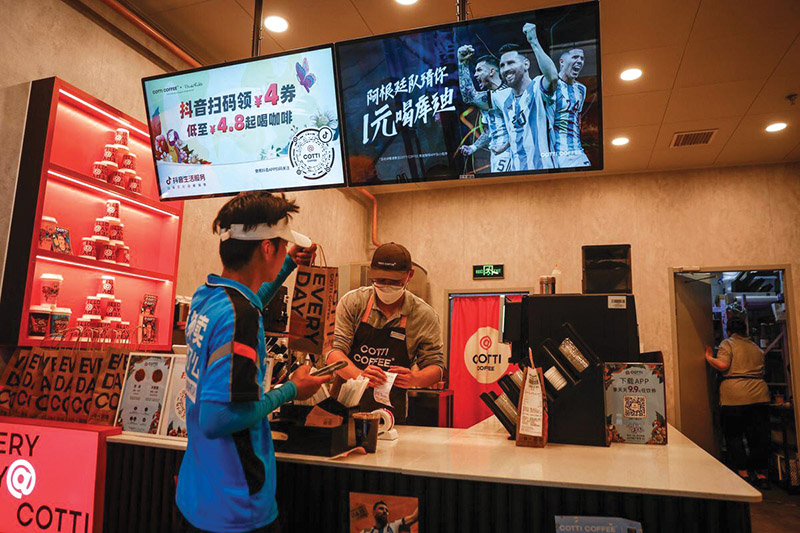
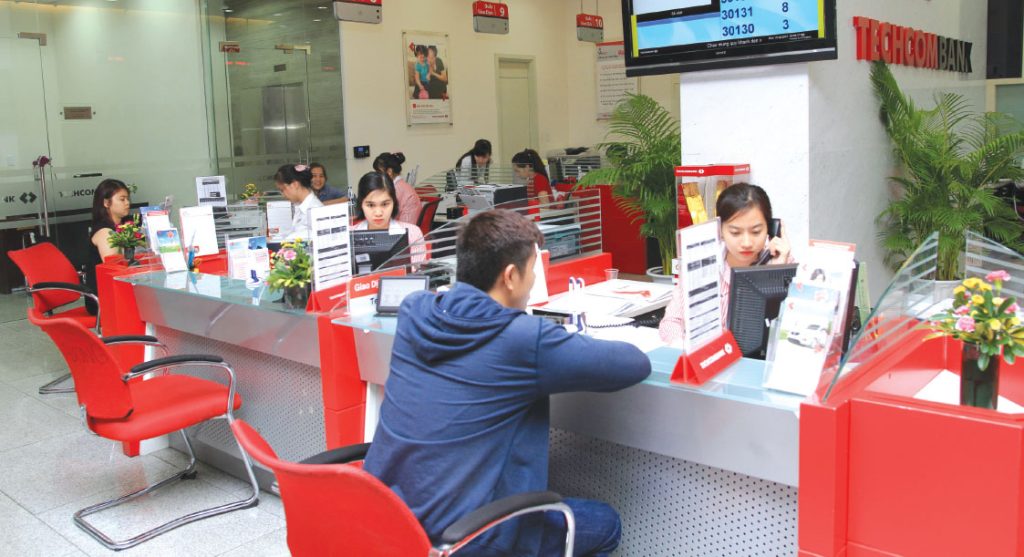
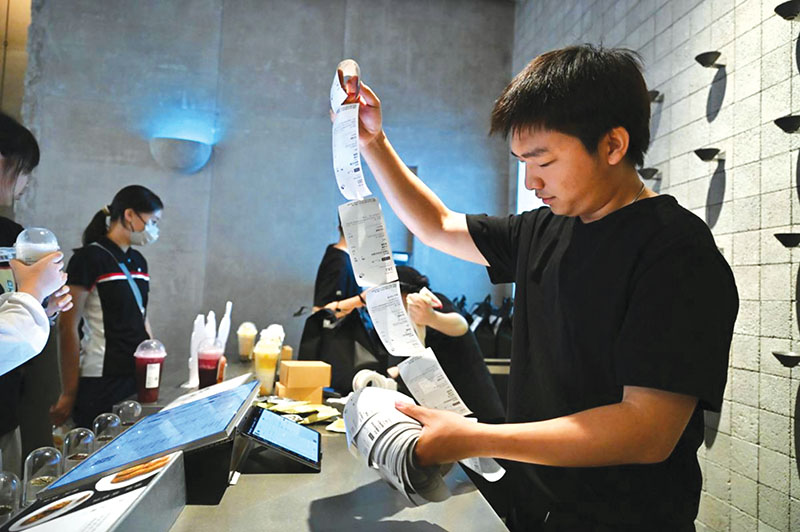
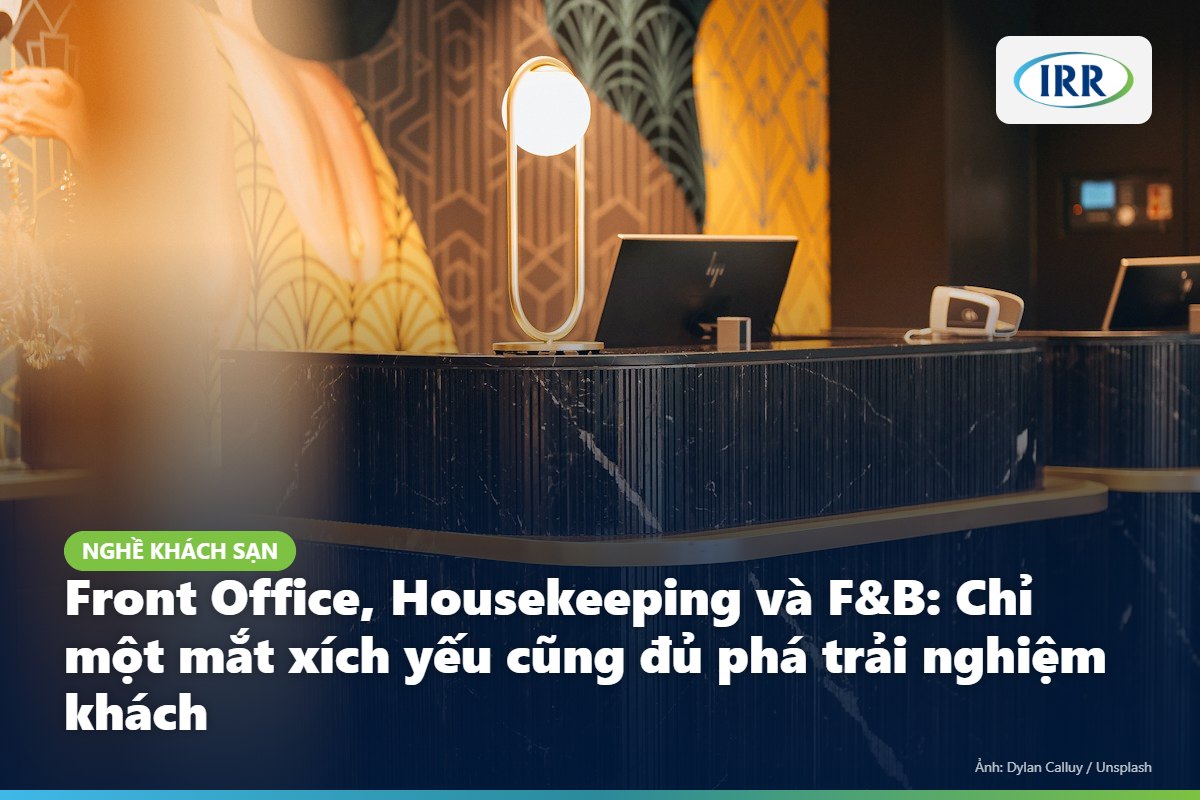
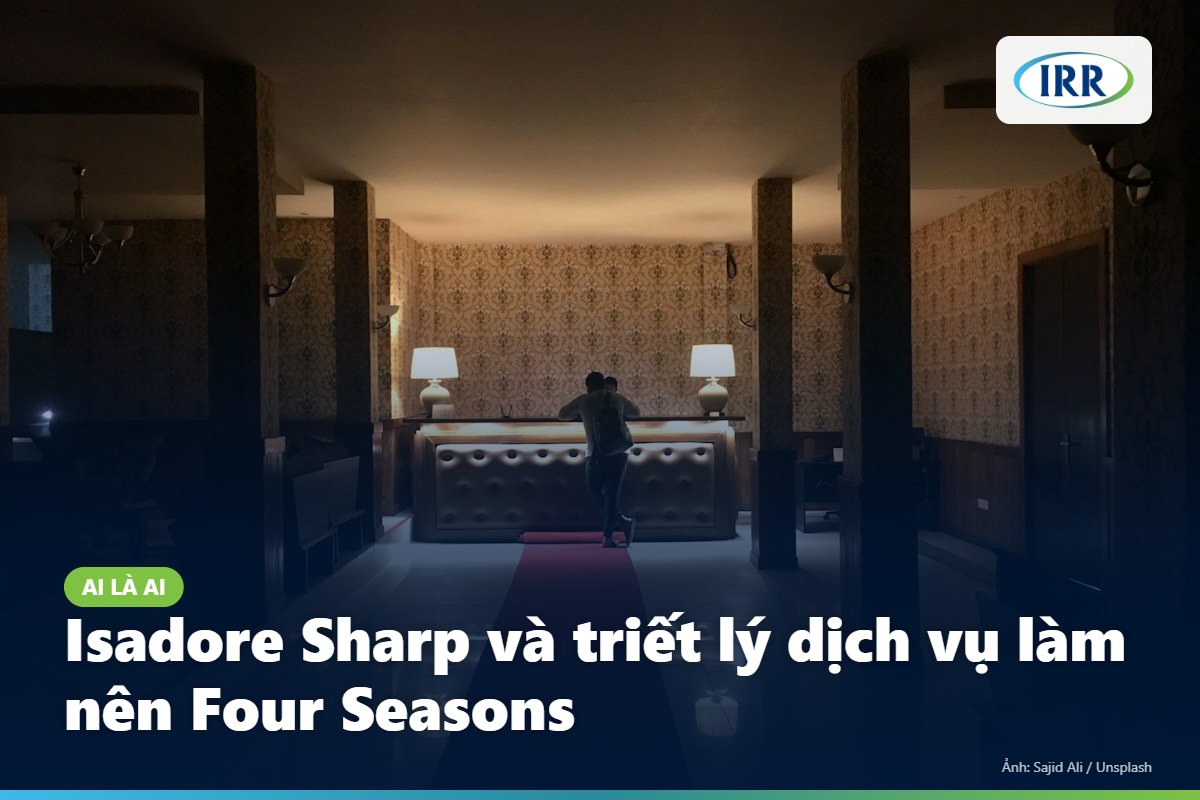
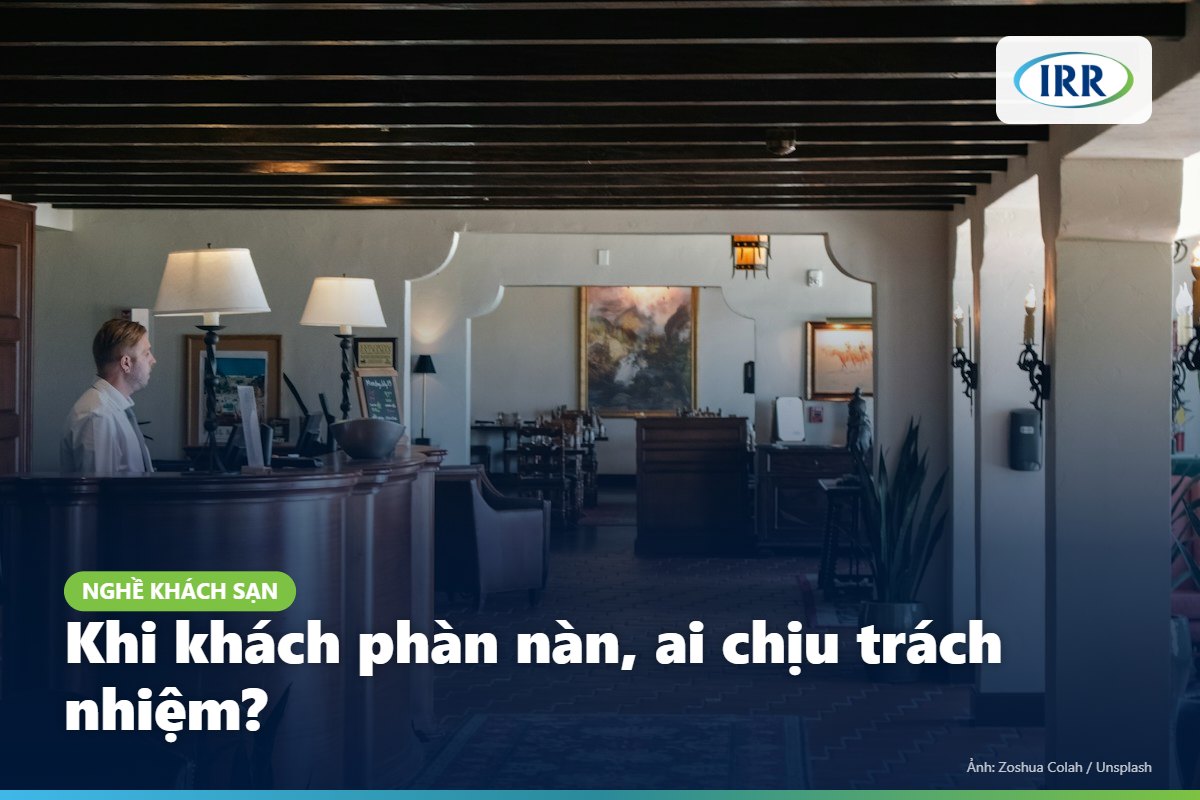
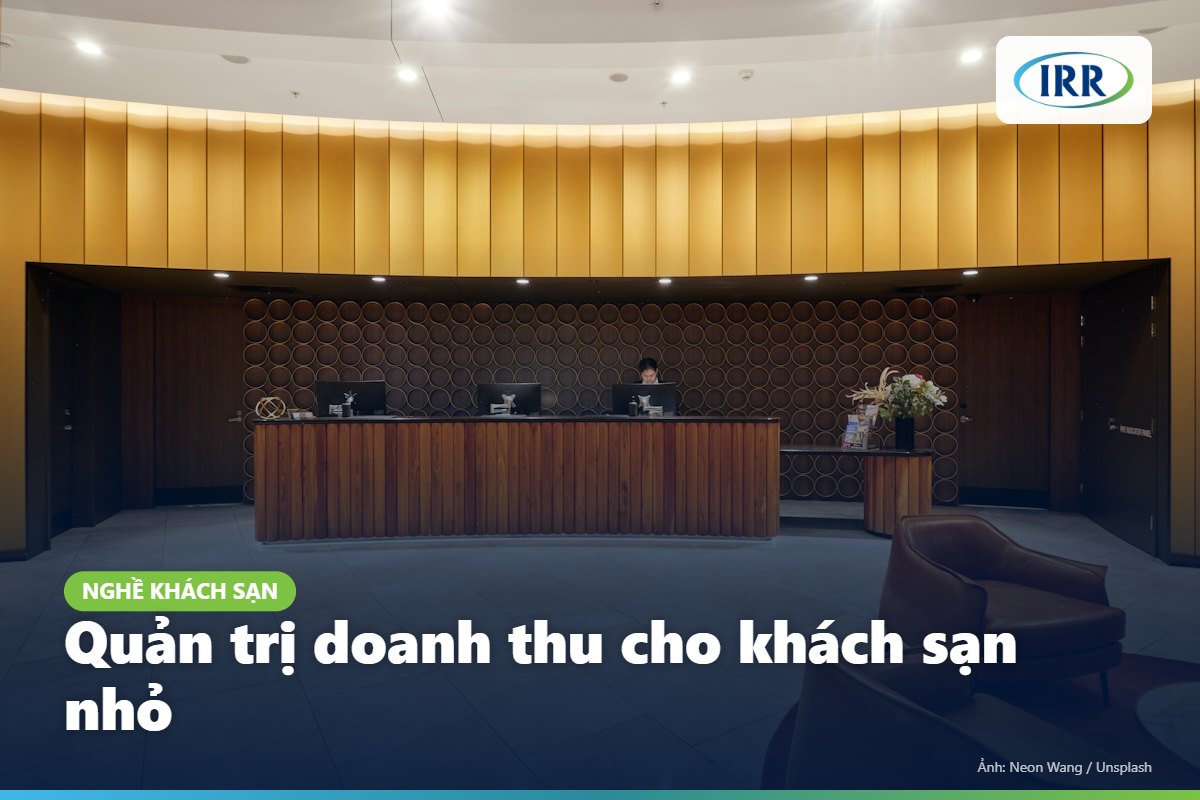
Quầy lễ tân là trung tâm điều phối khi có sự cố · Ảnh: Neon Wang / Unsplash
Fire or smoke; a seriously ill or unconscious guest; power failure or people trapped in a lift; intoxicated or aggressive guests; theft; and water leaks. Each needs a one-page checklist at the night desk.
Visit affected guests before they check out, hold a debrief within 48 hours, update contact lists and rehearse again, including at night. A 2 a.m. crisis is the truest test of a hotel's operating system; the ability to handle it comes from training and standardised operations, not luck.
Note: this article is professional guidance only and does not replace each property's fire safety plan or applicable regulations.
IRR Group – International Recreation & Resort Management

Telephone: 0909.140.866
Email: info@irrmanagement.com.vn