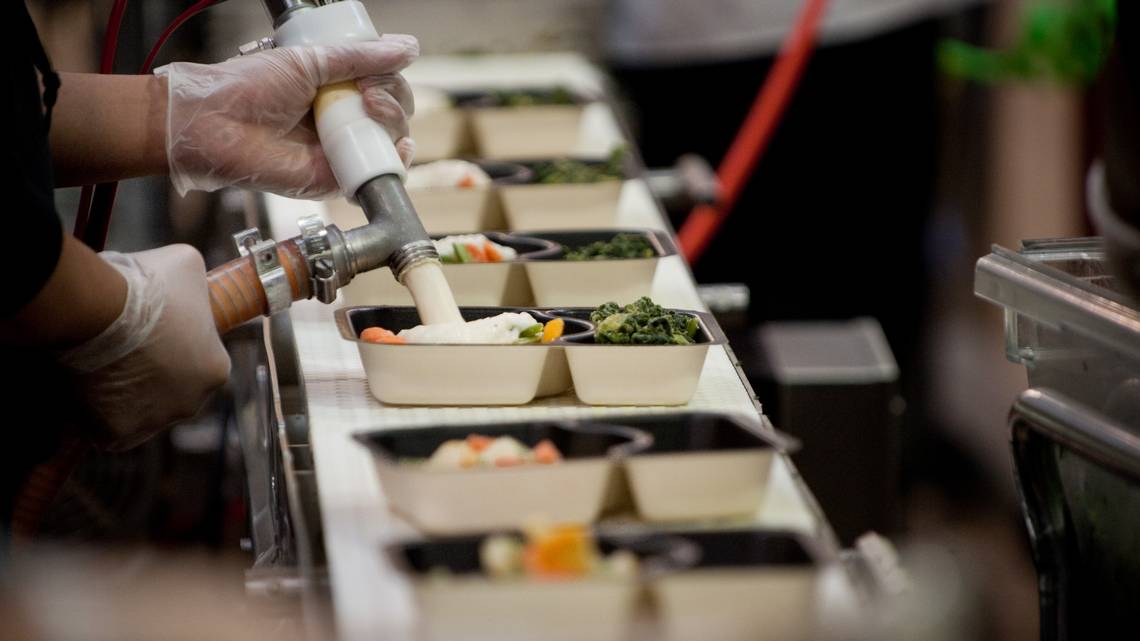
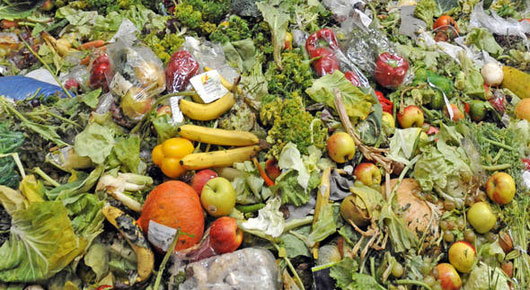
At month-end the report shows food cost several points over budget, and the first question is "What is the kitchen wasting?". In many cases, however, the kitchen is just where the number appears; the cause lies elsewhere in the operation.
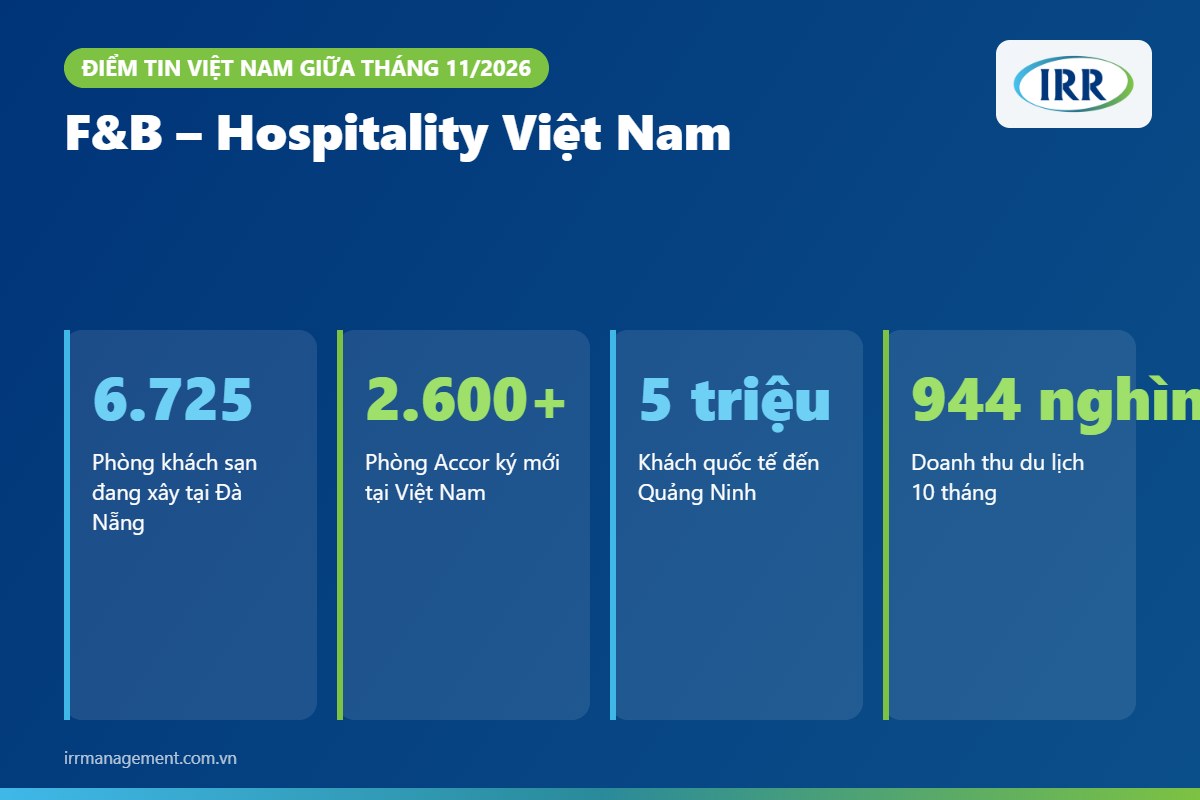
With 69.38% of F&B businesses affected by sharply rising ingredient prices (iPOS.vn & Nestlé Vietnam, April 2026), every internal leak squeezes margins further.
Food cost = (opening stock + purchases – closing stock) / food revenue. It tells you how much disappeared, not where.
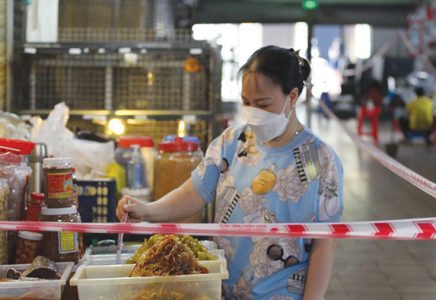
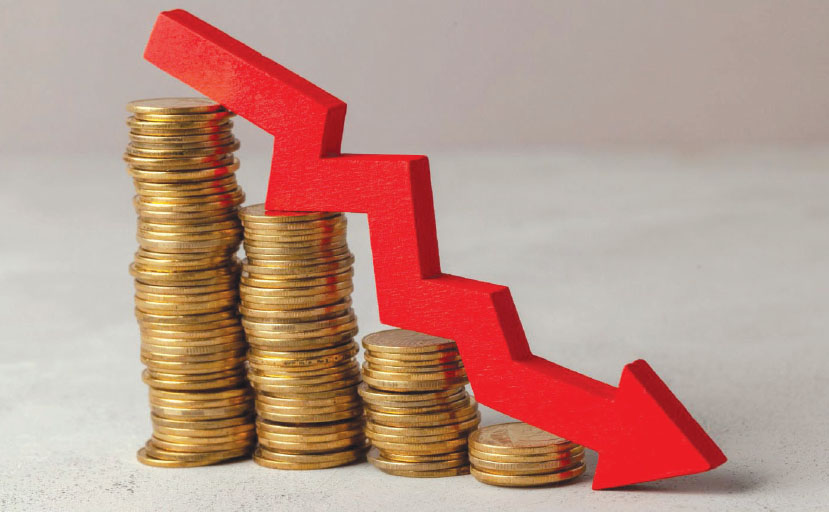
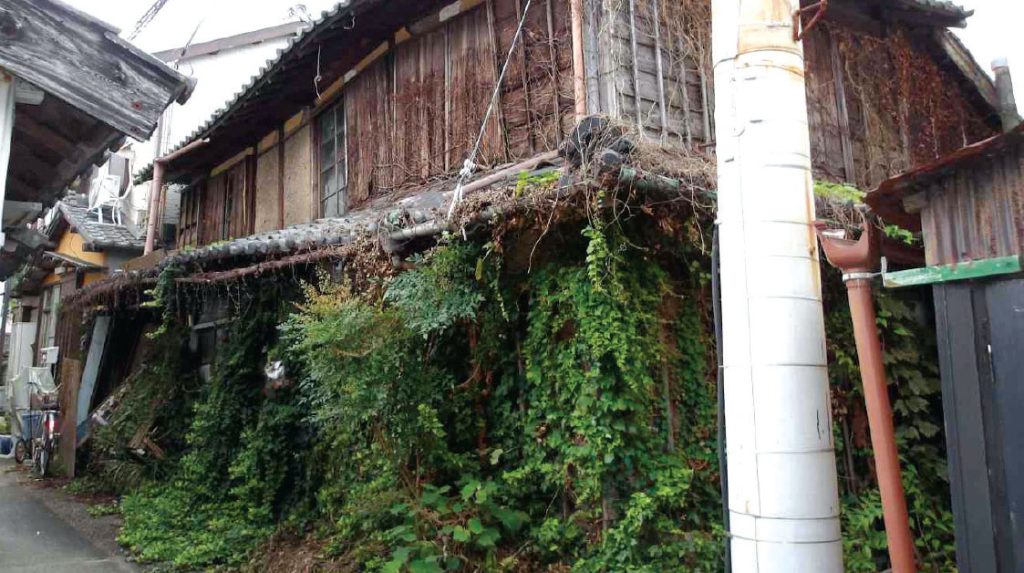
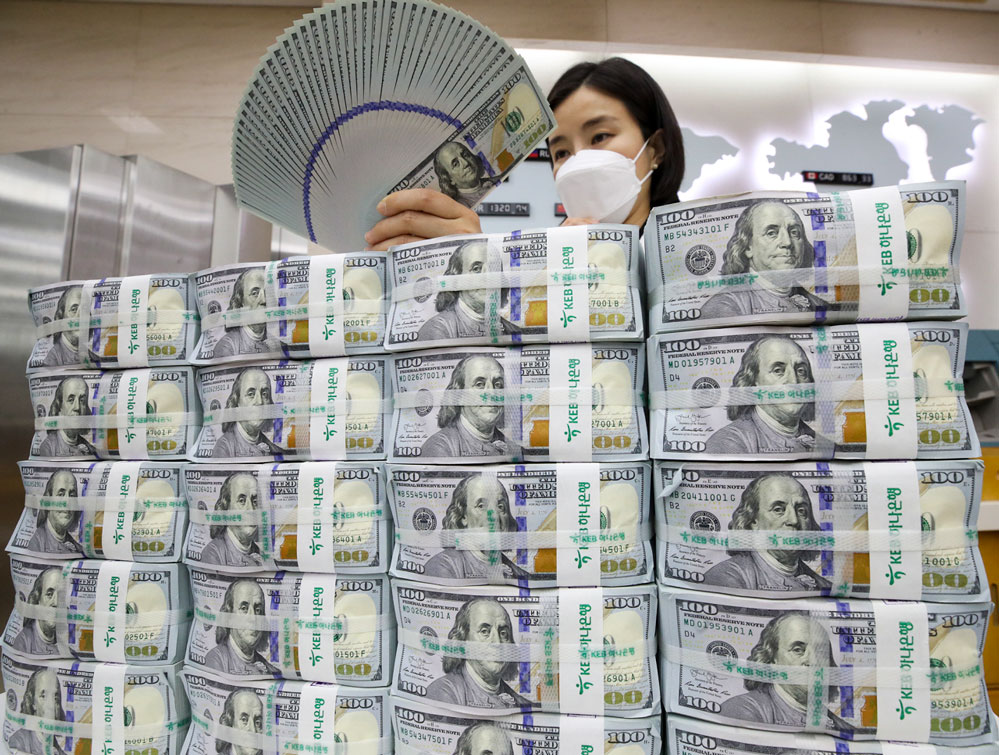
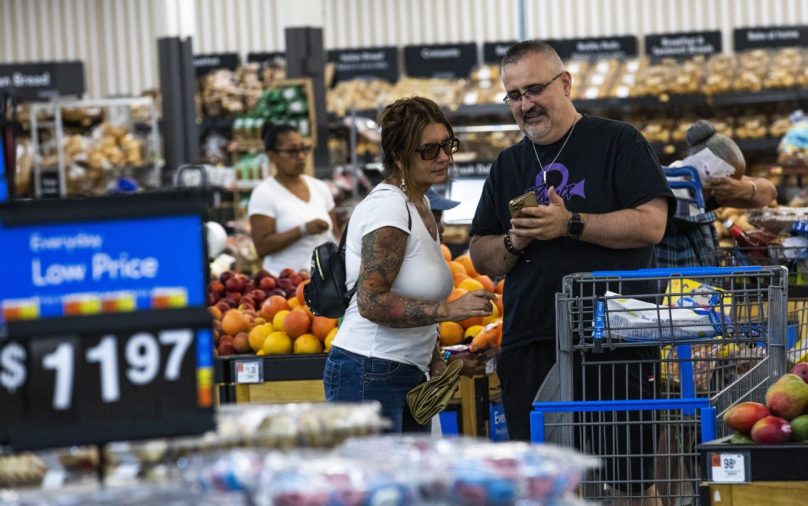
Không có định lượng chuẩn, mọi con số Food Cost đều chỉ là ước đoán · Ảnh: Markus Winkler / Unsplash
Above-market prices, habitual buying, over-ordering, opaque supplier relationships.
No weighing, counting or quality checks on delivery.
No FIFO, wrong temperatures, uncontrolled access, careless stock counts.
Without standard recipes nobody knows what a plate should cost.
Prices not adjusted to ingredient inflation; popular dishes with low margins.
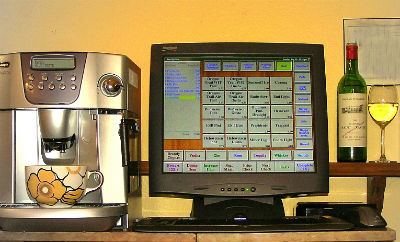
Wrong orders, unrecorded comps, staff meals, dishes served but not billed.
Voids after payment, unauthorised discounts, promotion abuse reduce revenue and inflate the ratio.
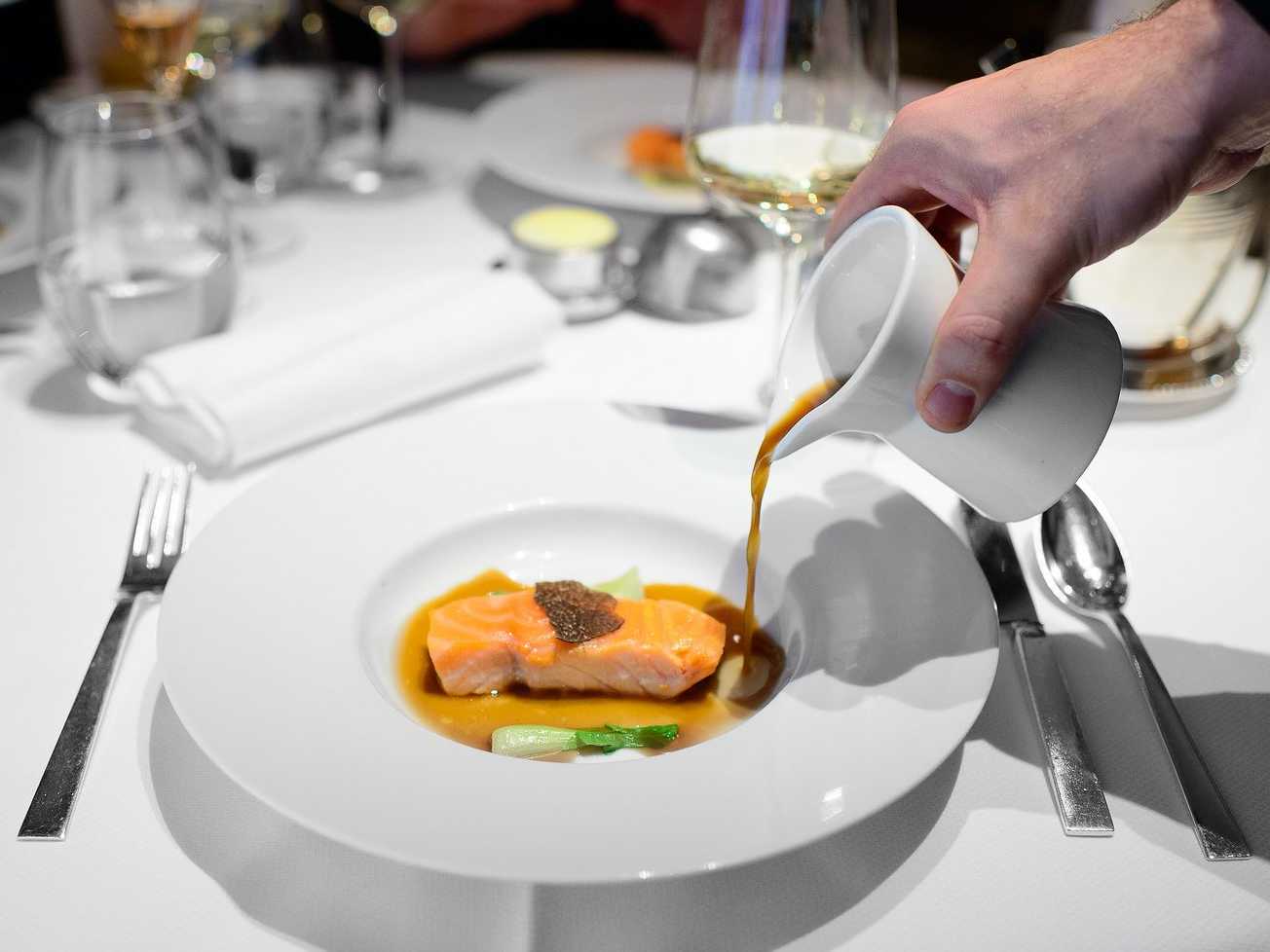
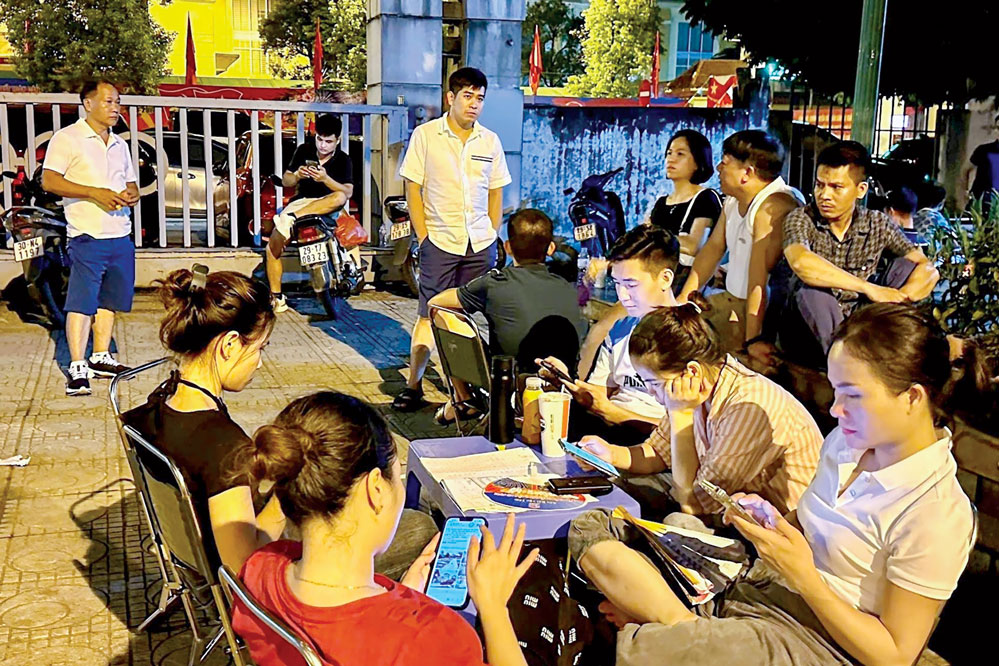
So sánh Food Cost lý thuyết với thực tế để khoanh vùng rò rỉ · Ảnh: Francesco La Corte / Unsplash
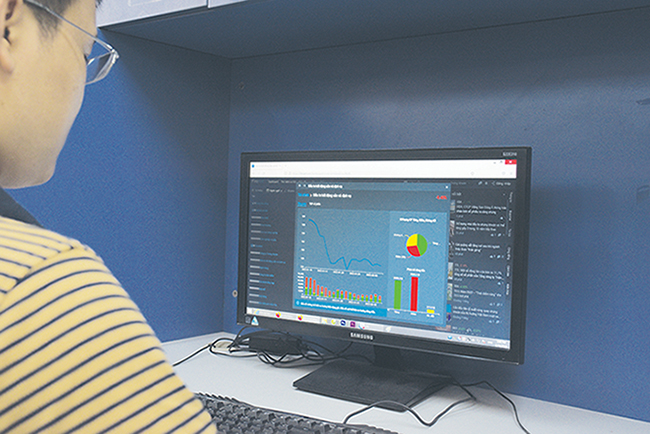
Theoretical food cost = items sold × standard recipe cost. Actual food cost comes from stock counts. If theoretical is already high, look at purchasing or menu design; if theoretical is fine but actual is high, look at receiving, storage, production, service or cashiering.
Blaming the kitchen is the fastest way to miss the real cause. Food cost is the output of a whole system, and good managers make cost control a team habit rather than a monthly hunt for culprits.
IRR Group – International Recreation & Resort Management

Telephone: 0909.140.866
Email: info@irrmanagement.com.vn