A busy evening: the manager greets guests at the host stand, runs into the kitchen to chase dishes, reminds servers to clear tables and takes a supplier's call. Everything gets done, but the manager is exhausted and the team is used to "waiting to be told". The problem is not a lack of staff but a missing core management skill: delegation.

Most hospitality managers rise from technical roles, so their reflex is "I'll do it faster myself". This creates a loop: the manager holds on to tasks, staff never practise, staff do not improve, so the manager holds on even more. The manager then has no time for what only managers can do: reading numbers, planning, developing people and looking after key guests.
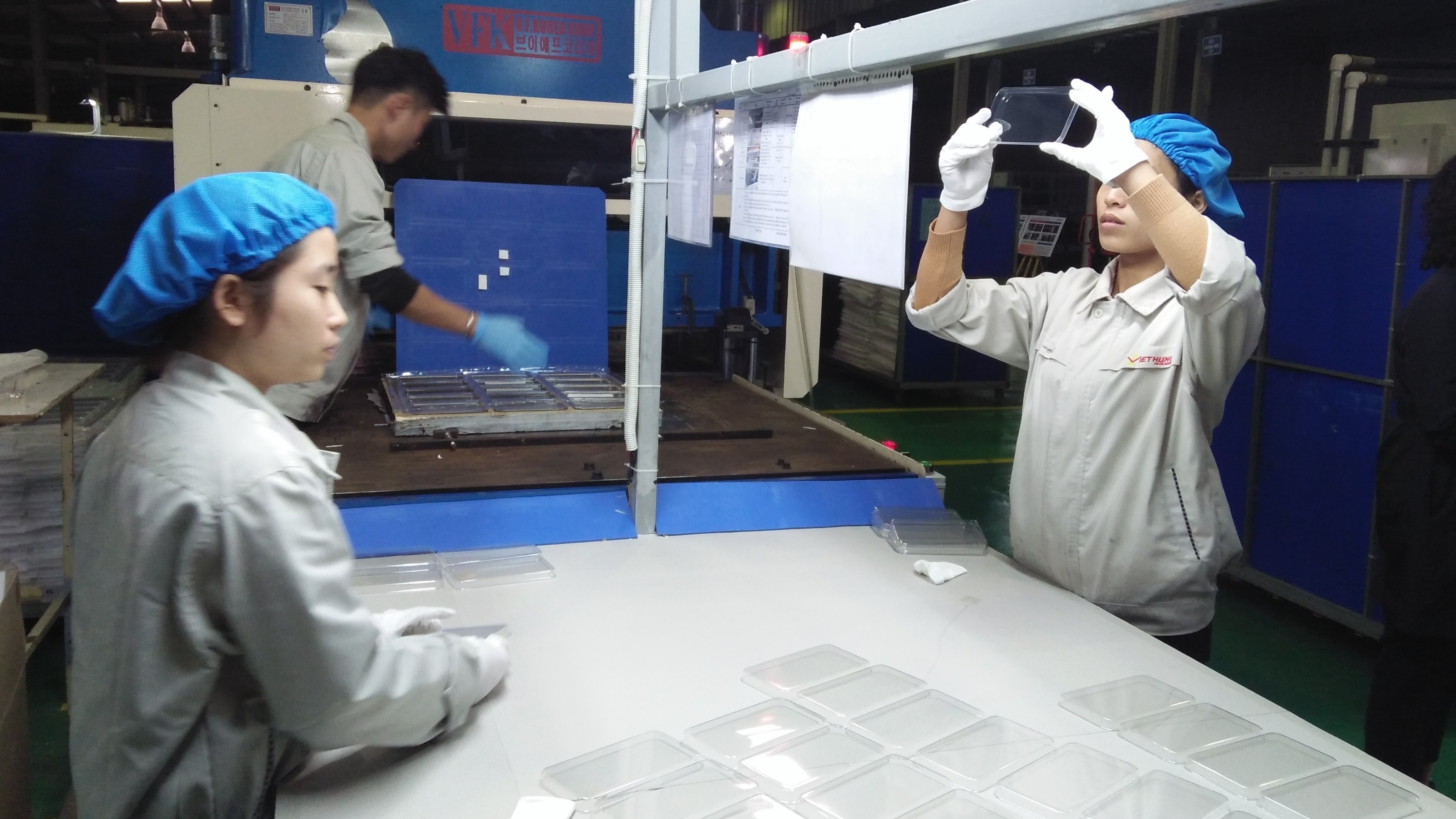
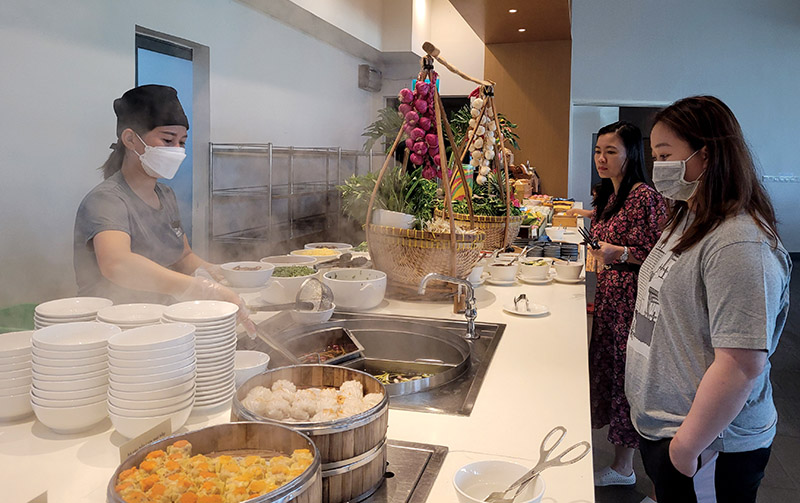
Giao việc là giao kết quả, không chỉ giao thao tác · Ảnh: CHUTTERSNAP / Unsplash
Effective delegation transfers responsibility for a result together with the information, authority and support needed. Dumping hands off unwanted tasks without explanation or follow-up, then assigns blame when things go wrong.
Start with repeatable, well-defined, checkable tasks: pre-opening checks, reconciling deliveries, draft rosters, onboarding new staff. Keep sensitive decisions until the team is ready.
Consider ability (can they do it?) and readiness (do they want to and have time?).
Say what, to what standard, by when and how to report back.
If a shift leader handles minor complaints, state what they may offer and when to call the manager.
Check closely at first, then at milestones, and finally only the end result.
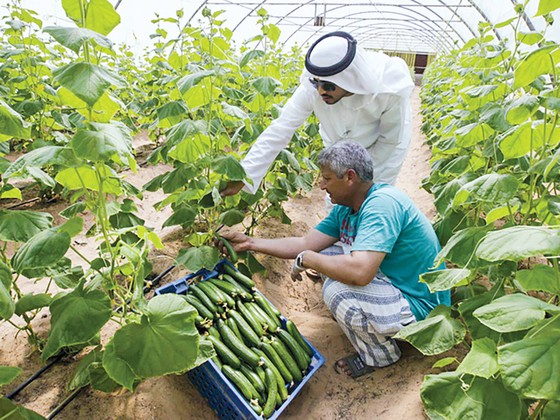
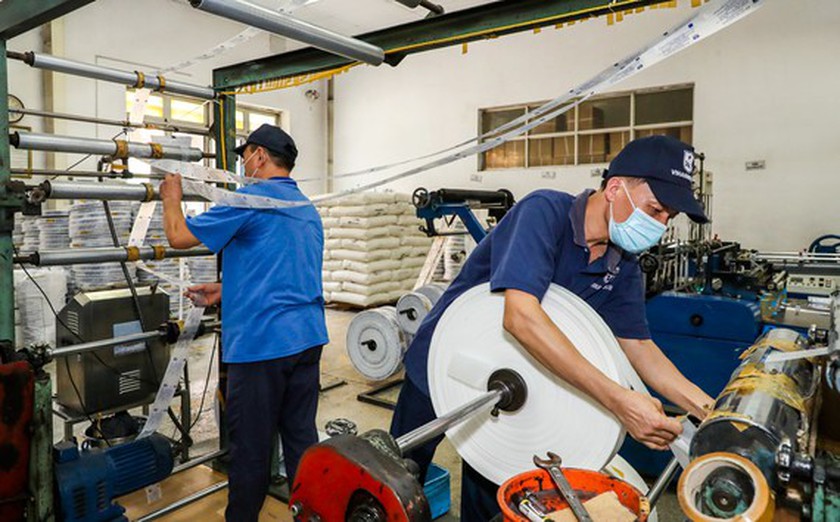
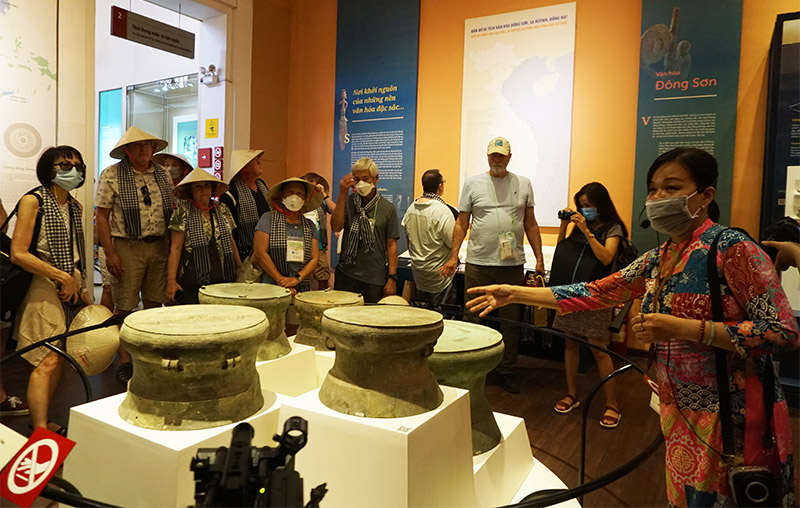
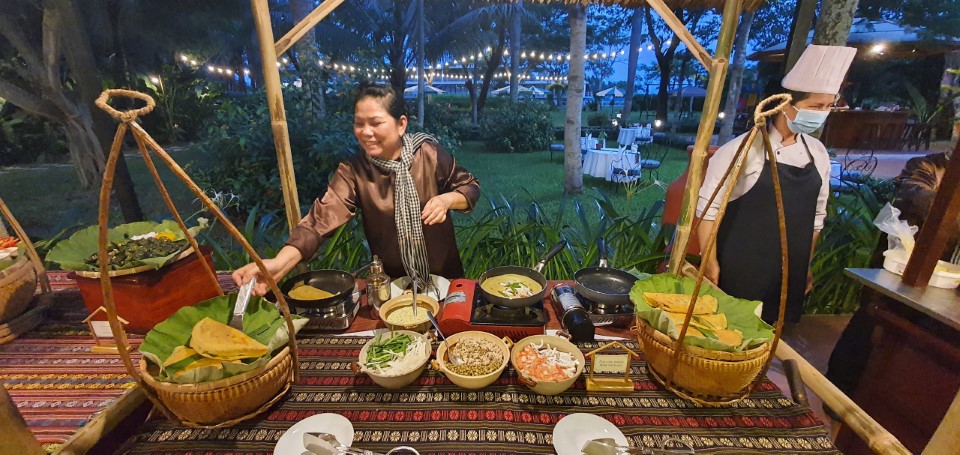
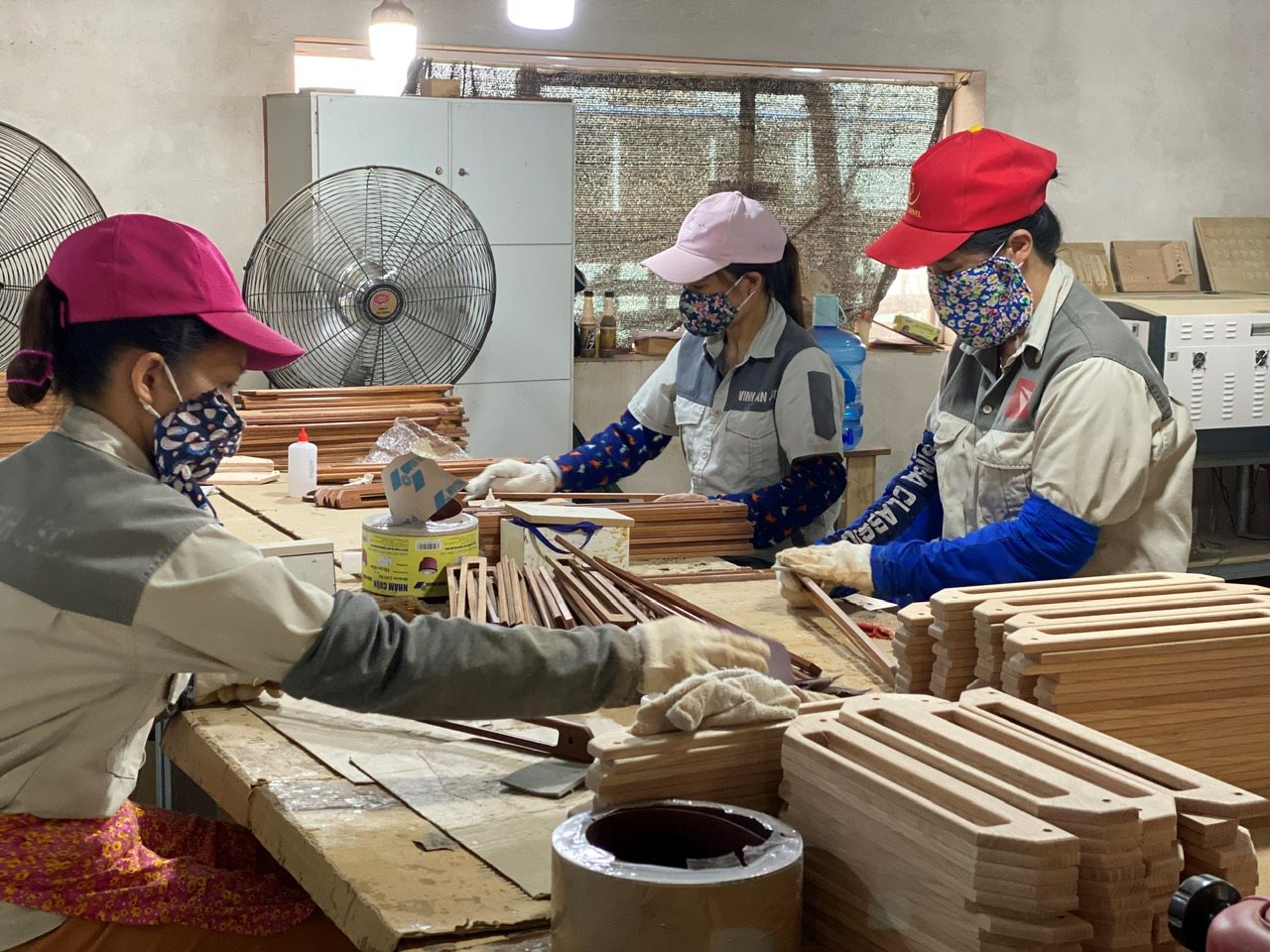
Giao việc theo năng lực giúp nhân viên trưởng thành nhanh hơn · Ảnh: Trường Trung Cấp Kinh Tế Du Lịch TP.HCM (CET) / Unsplash
Every hour a manager spends doing staff work is an hour not spent developing the team and the business. Good delegation also builds the next generation of shift leaders and supervisors, a skill emphasised in the management development programmes IRR designs for hospitality businesses.
IRR Group – International Recreation & Resort Management

Telephone: 0909.140.866
Email: info@irrmanagement.com.vn